Description
Tapir Valley Nature Reserve is a privately protected area located in Bijagua de Upala, Costa Rica, strategically positioned between Tenorio and Miravalles Volcano National Parks. Once used for cattle ranching, the land has been restored into a thriving natural space dedicated to biodiversity conservation and ecosystem regeneration.
Today, the reserve protects a diverse range of habitats, including mature rainforest, secondary forest, wetlands, natural springs, open grasslands, and a crystal-clear river. This ecological diversity supports a remarkable variety of wildlife and makes the area especially important within the Tenorio-Miravalles biological corridor. Among its most iconic species is the endangered Baird’s tapir (Tapirus bairdii), whose presence reflects the recovery of the ecosystem. The reserve is also home to the recently discovered endemic frog Tlalocohyla celeste, along with a wide range of birds, mammals, and amphibians.
Beyond its ecological value, Tapir Valley is deeply connected to the local community of Bijagua. Conservation efforts are closely linked to environmental education and community participation, empowering local people,especially younger generations; to become active stewards of their natural heritage. Through initiatives that promote awareness, coexistence, and sustainable practices, the community plays a key role in protecting wildlife and their habitats.
Visitors to Tapir Valley are invited to experience nature in an authentic and respectful way. With guided tours and controlled access, the reserve offers opportunities to connect deeply with biodiversity while minimizing environmental impact. Whether through birdwatching, exploring wetlands, or experiencing the forest at night, each visit contributes to a broader conservation effort.
Tapir Valley is more than a destination, it is a living example of how restoration, community engagement, and responsible tourism can come together to protect wildlife and inspire a more sustainable future.
Motivation
We recognize and deeply value the role of the Wildlife Heritage Areas initiative in acknowledging communities that have demonstrated long-term commitment to conservation, restoration, and coexistence with wildlife. We believe that Bijagua reflects these values, and becoming part of this network would represent a meaningful recognition of years of collective effort, dedication, and community-led conservation work.
The motivation of the community is rooted in three key pillars. First, conservation with purpose: there is a collective understanding that protecting habitats is essential for the survival of species, and that wildlife should be respected as part of a living ecosystem, not treated as an attraction.
Second, education and social transformation: through initiatives such as Travesía Verde and youth-led projects, new generations are being actively involved in conservation processes. Becoming a Wildlife Heritage Area would strengthen these efforts by expanding educational opportunities and reinforcing a model of community-based conservation.
Third, responsible and regenerative tourism: the community promotes tourism experiences that prioritize respect for wildlife and ecosystems, encouraging visitors to connect with nature in a meaningful way while contributing to its protection.
For the community of Bijagua, becoming a Wildlife Heritage Area represents an opportunity to strengthen and give visibility to the work that has already been developed with commitment and collaboration. It is a step toward consolidating a long-term vision where conservation, community wellbeing, and sustainable development go hand in hand.
More than a recognition, it is seen as a responsibility to continue protecting this territory as a place where nature can exist, regenerate, and be respected for generations to come.
Boundary Map
Species or habitats
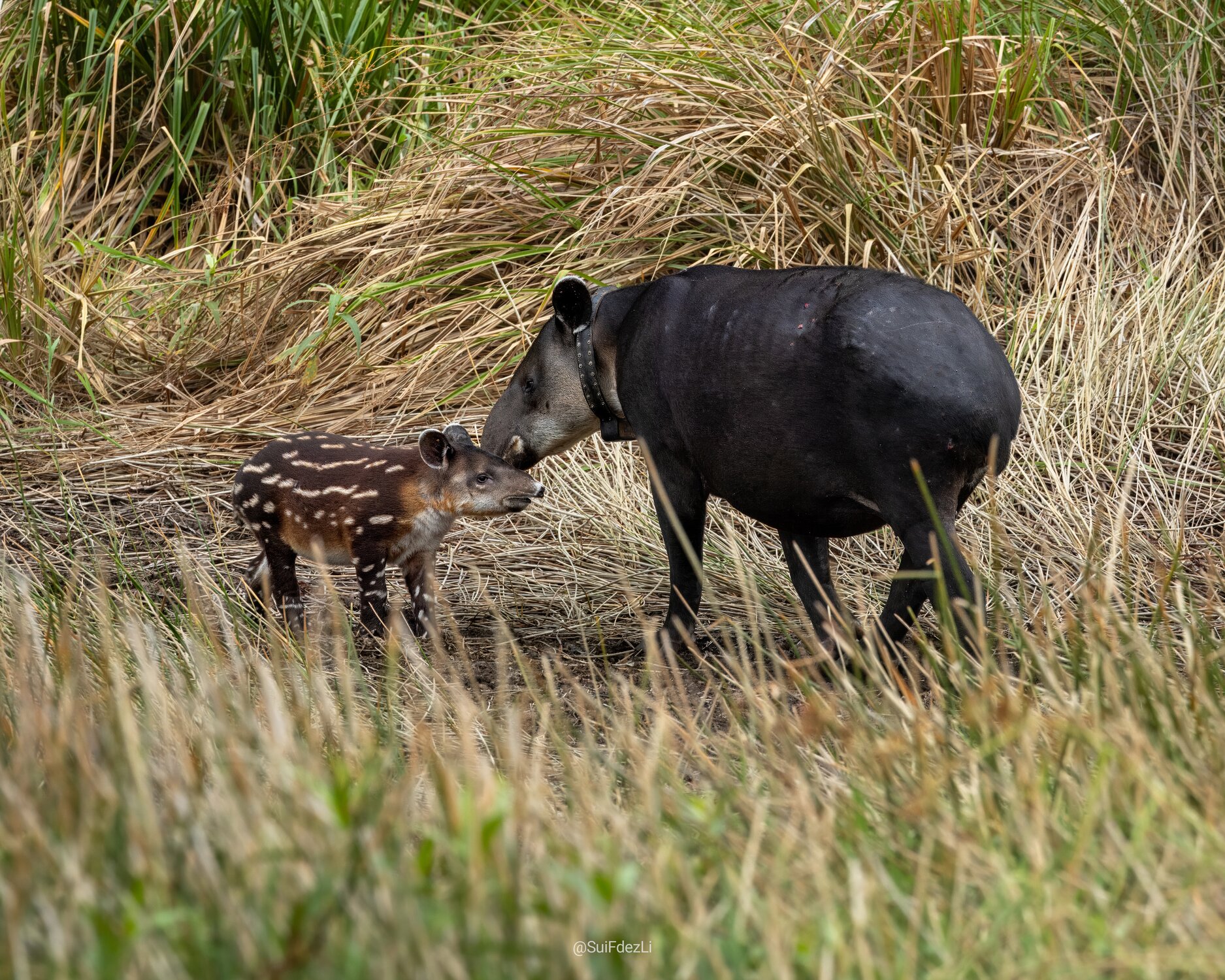
The Baird’s tapir (Tapirus bairdii) is the largest land mammal in Central America and a key species for maintaining healthy tropical ecosystems. Known as the “gardener of the forest,” it plays a vital role in seed dispersal, supporting forest regeneration and biodiversity. In Tapir Valley, its presence reflects years of restoration, as the species has returned to a landscape once degraded by agriculture. Elusive and primarily active during quiet hours, the tapir symbolizes resilience and coexistence. For the local community, it represents a shift from conflict to conservation, becoming a powerful emblem of identity, environmental awareness, and the importance of protecting natural habitats.
Area Features
Baird’s Tapir (Tapirus bairdii) - specie
Stability
Baird’s tapir (Tapirus bairdii) is classified as Endangered on the IUCN Red List, with populations declining across its range due to habitat loss and hunting. Within Tapir Valley, its presence has increased over time as ecosystems have been restored, indicating improving local conditions and habitat connectivity.
Threats
The Baird’s tapir (Tapirus bairdii) faces several threats across its range, primarily habitat loss and fragmentation caused by agricultural expansion and cattle ranching. These activities reduce forest cover and disrupt biological corridors essential for movement and feeding. Human-wildlife conflict also occurs when tapirs feed on crops, leading to negative perceptions. Additionally, road development increases the risk of vehicle collisions, while illegal hunting, although reduced in some areas, remains a concern. Climate change may further impact water availability and habitat quality. Together, these factors continue to threaten the long-term survival of the species and the ecosystems it depends on
Actions taken for protection
At Tapir Valley Nature Reserve, several actions are implemented to protect the Baird’s tapir (Tapirus bairdii) and its habitat. A long-term ecosystem restoration process has been central, transforming former cattle ranching land into regenerating forest, improving habitat quality and connectivity within the biological corridor. The reserve maintains a strict no-hunting policy and controlled access through guided tours only, minimizing human disturbance. Environmental education and community engagement initiatives promote coexistence, helping reduce human-wildlife conflict with local farmers. Biodiversity monitoring using camera traps allows for the continuous observation of tapir presence and movement, supporting data-driven conservation decisions. Additionally, responsible tourism generates awareness and contributes financially to conservation efforts, while ensuring low-impact practices that respect wildlife and their natural behavior
Community Importance
The Baird’s tapir (Tapirus bairdii) is vital to the community of Bijagua from ecological, cultural, and economic perspectives. As a key seed disperser, it plays a crucial role in forest regeneration, supporting biodiversity, protecting water sources, and maintaining ecosystem balance. Its presence is also an important indicator of a healthy environment. Culturally, the tapir has become a powerful symbol of identity, coexistence, and transformation for the community. What was once perceived as a threat to crops has evolved into a shared commitment to conservation and pride. Economically, the species contributes to responsible tourism, attracting visitors interested in wildlife and conservation, generating opportunities for local livelihoods and reinforcing the value of protecting natural resources
Wildlife Watching Guidelines
At Tapir Valley Nature Reserve, responsible wildlife-watching guidelines are implemented to ensure the protection of the Baird’s tapir (Tapirus bairdii) and its natural behavior. All visits are guided and restricted to designated trails, maintaining a safe distance from wildlife at all times. Direct interaction, including feeding or attempting to attract animals, is strictly prohibited. Visitor behavior is carefully managed by minimizing noise and avoiding sudden movements. Flash photography is not allowed, and low-intensity lighting is used during night tours to reduce disturbance. Group sizes are limited and access is controlled to minimize impact on the habitat. Visitors are also educated on the importance of ethical wildlife observation and the fact that sightings are not guaranteed, promoting a respectful and conservation-focused experience
Fact 1
The Baird’s tapir is known as the “gardener of the forest,” as it disperses seeds across large distances, playing a vital role in forest regeneration and maintaining biodiversity in tropical ecosystems.
Fact 2
In Bijagua, the tapir has become a symbol of community identity, representing a shift from human-wildlife conflict to coexistence and pride in local conservation efforts
Fact 3
Tapirs depend on healthy forests and water sources, making their presence a key indicator of ecosystem health and the success of habitat restoration within the Tenorio-Miravalles biological corridor
Tapir Valley Frog - specie
Stability
The Tapir Valley frog (Tlalocohyla celeste) does not yet have an official classification on the IUCN Red List due to its recent discovery. However, its limited distribution makes it potentially vulnerable. In Tapir Valley, its presence reflects high habitat quality and the importance of conserving these ecosystems
Threats
The frog Tlalocohyla celeste faces potential threats primarily due to its limited known distribution and specialized habitat requirements. As an amphibian, it is highly sensitive to environmental changes, particularly habitat degradation, water pollution, and alterations in wetland and forest ecosystems. Climate change poses additional risks by affecting rainfall patterns and humidity levels, which are critical for its survival and reproduction. The loss or disturbance of forest cover and nearby water sources could significantly impact its population. Due to its recent discovery, there is still limited information available, highlighting the importance of continued research and habitat protection to ensure its long-term conservation.
Actions taken for protection
At Tapir Valley Nature Reserve, specific actions are implemented to protect the frog Tlalocohyla celeste and its habitat. The conservation of wetlands, natural springs, and forested areas is prioritized, avoiding any disturbance to these sensitive ecosystems. Entry to the reserve includes a footwear disinfection process to prevent the introduction of fungi or other pathogens that could affect amphibians. Access is controlled and limited to guided visits only, reducing human impact. In addition, environmental education initiatives promote awareness of the importance of amphibians and the need to protect their natural habitats.
Community Importance
The frog Tlalocohyla celeste is vital to the community of Bijagua from ecological, cultural, and scientific perspectives. As an amphibian, it plays an important role in ecosystem balance, contributing to insect population control and serving as an indicator of environmental health due to its sensitivity to changes in water quality and habitat conditions. Its recent discovery has brought global attention to the region, highlighting the unique biodiversity of Bijagua and reinforcing the importance of conservation efforts. Culturally, it represents pride and a sense of identity for the community, as it reflects the richness of their natural surroundings. Its presence strengthens environmental education processes and inspires local and international interest in protecting fragile ecosystems.
Wildlife Watching Guidelines
At Tapir Valley Nature Reserve, responsible wildlife-watching guidelines are implemented to ensure the protection of the Baird’s tapir (Tapirus bairdii) and its natural behavior. All visits are guided and restricted to designated trails, maintaining a safe distance from wildlife at all times. Direct interaction, including feeding or attempting to attract animals, is strictly prohibited. Visitor behavior is carefully managed by minimizing noise and avoiding sudden movements. Flash photography is not allowed, and low-intensity lighting is used during night tours to reduce disturbance. Group sizes are limited and access is controlled to minimize impact on the habitat. Visitors are also educated on the importance of ethical wildlife observation and the fact that sightings are not guaranteed, promoting a respectful and conservation-focused experience.
Management Plan
Management Plan File
Executive Summary File
Overview
- Title
- Tapir Valley Heritage Area
- Level
- Candidate
- Name Location
- Bijagua Tapir Heritage Area
- Name Species Group
- Tapir
- Country
- CRI
- Approximate size (sq km)
- 1.04 km² (104 hectares)
Helpful links
Apply to become a Wildlife Heritage Area