The team
Wildlife Heritage Areas is managed by World Animal Protection and the World Cetacean Alliance.
World Animal Protection is a global animal welfare organisation. For 75 years we have been working to transform the broken systems that fuel the exploitation of wild animals. We’ve campaigned to convince major brands to stop selling cruel wildlife experiences, and put the global wildlife trade onto the agenda of world leaders.
There’s much more to do, but with your help, we will ensure every wild animal can thrive in an abundant natural habitat that is humanely protected, for the benefit of all. Together, we will end the cruel cycle of abuse and ensure all wild animals have the right to a wild life. Forever.
The World Cetacean Alliance (WCA) is the largest global network of partners, working together to address some of the most pressing issues facing cetaceans and their ocean habitats. For the last decade, the WCA has endeavored to benefit and protect whales, dolphins, porpoises and their environments around the world. Their flagship programme, the Whale Heritage Sites, is the precursor to the concept of Wildlife Heritage Areas. This global certification programme was designed to manage respectful interactions between people and cetaceans at destinations.
An essential element of Wildlife Heritage Areas is our Assessors. They support the communities and are trained to assess Wildlife Heritage Area applications from across the world.
They have a wide range of expertise in marine and terrestrial conservation, animal welfare, responsible tourism, communications, and sustainability. We intend to expand our team as the programme grows so that we can match applications with assessors who can provide the best support and advice.
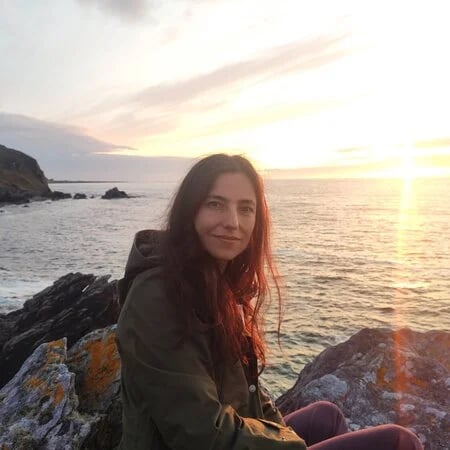
Elizabeth Cuevas Zimbrón
Elizabeth has been the World Cetacean Alliance project manager for the Whale Heritage Site programme since early 2019. She is an oceanographer with a Master’s degree that focuses on the integration of social and natural science, with an emphasis on stakeholder engagement. Her passion is the ocean and wildlife, but also bringing people together to conserve and protect the marine environment for the mutual benefit of humans, animals and the Earth. She has previously worked on research, conservation and capacity-building projects, and has gathered extensive on-the-ground experience working with fishermen in different communities in Mexico.
Through building relationships with many organisations and stakeholders around the world, Eli has seen how differences can be put aside and obstacles overcome in the desire to create positive change. Her mission is to help heal the relationship between humankind and the natural world and at the same time, help to protect and conserve cetaceans and their habitats.
On behalf of the World Cetacean Alliance, Elizabeth is the assessor for all areas where cetaceans (whales, dolphins, or porpoises) are listed as the key species.
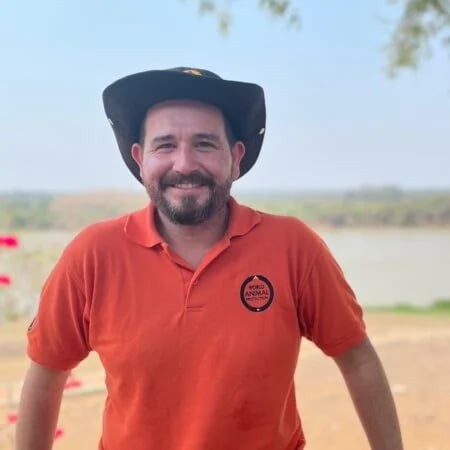
Roberto Vieto
Roberto Vieto is a veterinarian, focused on wildlife welfare & conservation and the development of local community projects to protect wild animals. With almost 15 years of working in wildlife welfare and in the non-profit sector, Roberto currently works as the Global Animal Welfare Advisor for the Wildlife Programme of World Animal Protection.
He brought to life the “Wildlife. Not Entertainers” initiative in the Latin American region, helping to promote best animal welfare practices in the tourism industry in places with a high ecotourism potential, like the Amazon and Pantanal, among others. One of Roberto’s biggest passions is responsible wildlife watching and how this can impact positively habitat protection and local community development.
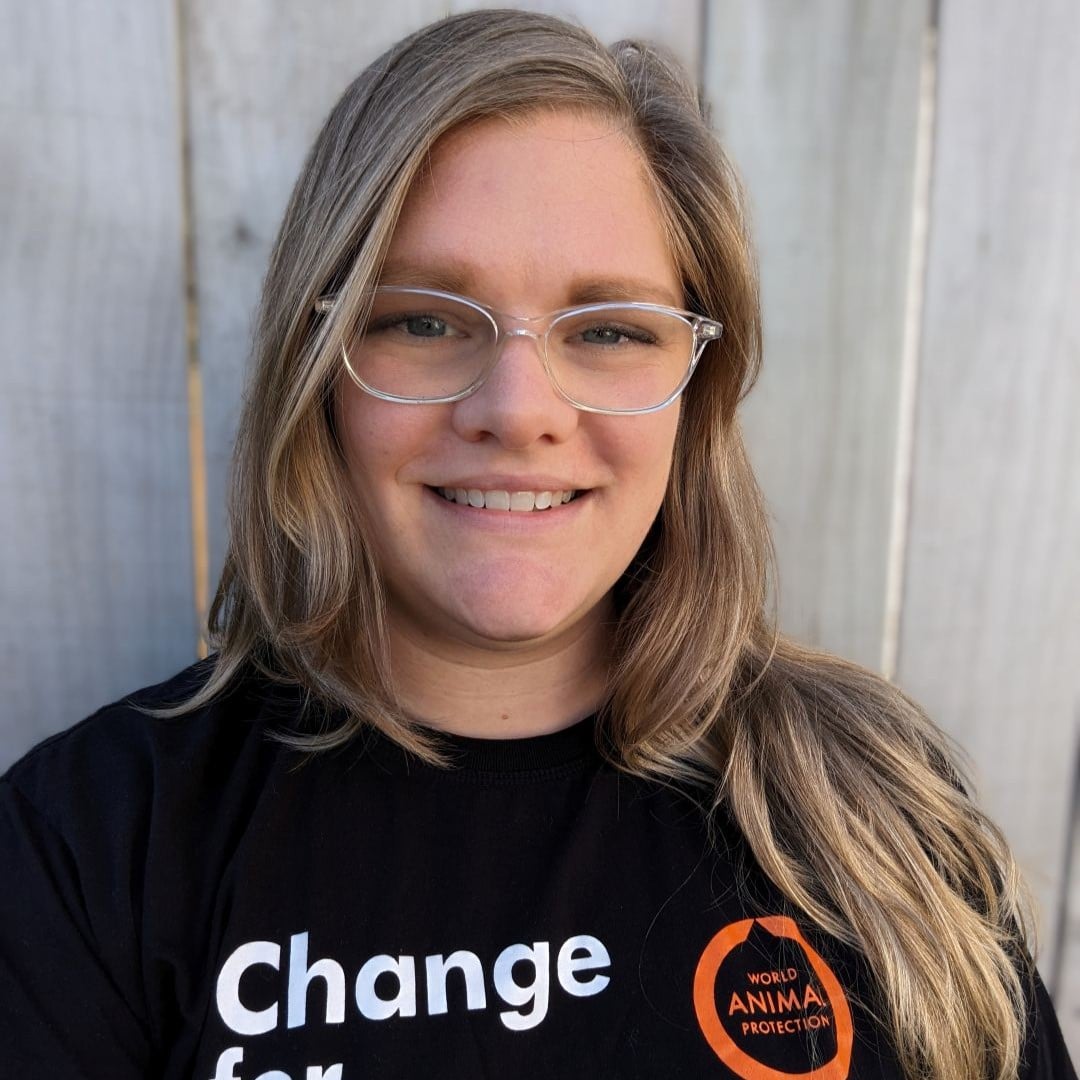
Hannah Larsen
Hannah Larsen is an Animal Welfare Scientist whose expertise covers a broad spectrum of animal welfare issues, including farmed animals, captive wildlife, wild animals, and those used in research, testing, and teaching. She is recognised for her skills in strategic leadership, scientific research, systems thinking, and a thorough understanding of animal welfare legislation and regulatory frameworks.
In her current role as Global Animal Welfare Advisor at World Animal Protection, Hannah provides technical expertise for global food systems and wildlife strategies, leads international project teams, and ensures that advocacy positions are grounded in robust scientific evidence. Hannah lives in Wellington, New Zealand and is a passionate and responsible wildlife watcher among her local parks and coastlines.
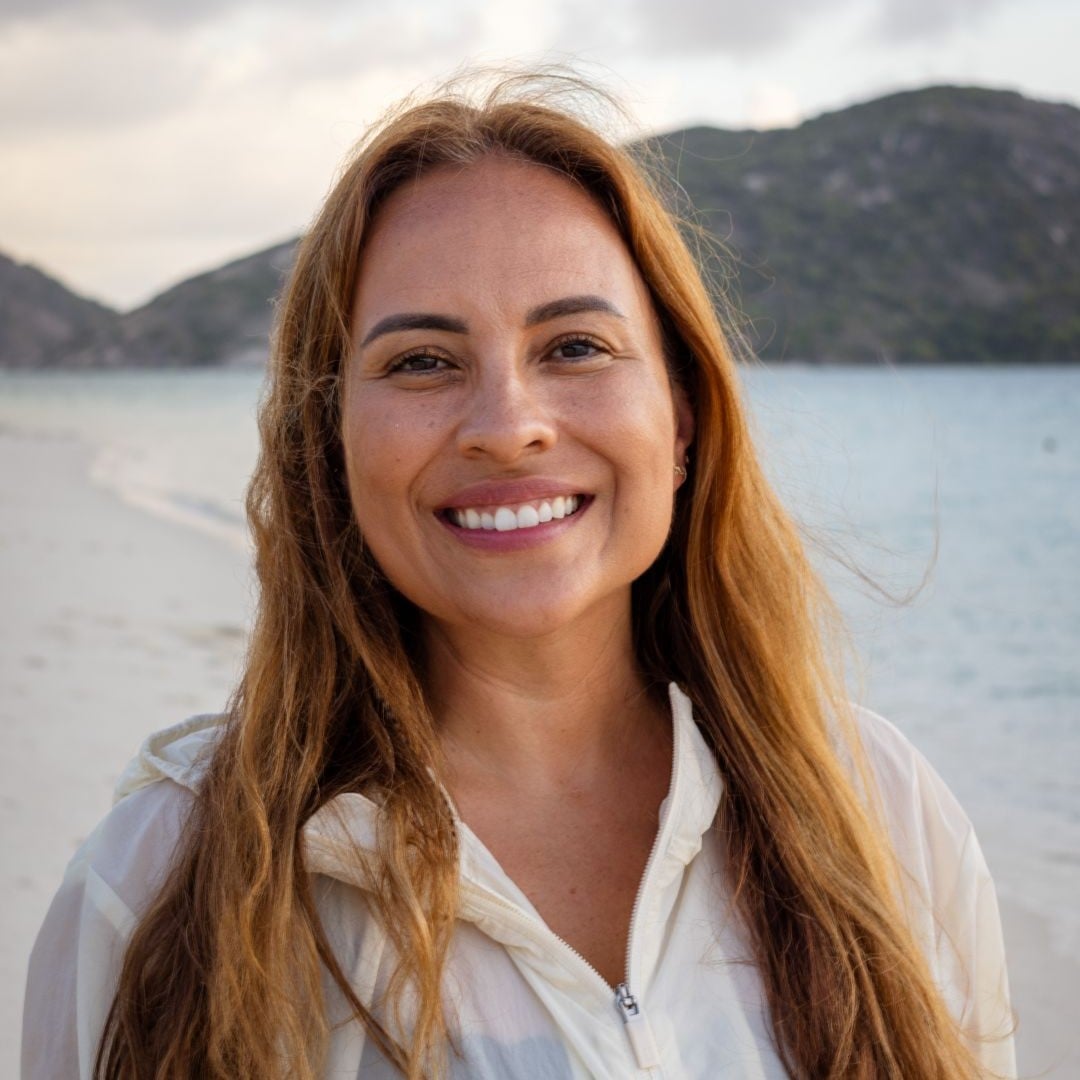
Dr. Alex Schnell
Dr. Alex Schnell is a wildlife scientist and researcher whose expertise spans animal behaviour, cognition, and sentience, with a particular focus on cephalopods and other marine species. She is recognised for her skills in scientific research, public engagement, and applying rigorous evidence to inform policy. She contributed to the influential 2021 report on cephalopod and decapod sentience, which informed updates to UK animal welfare legislation.
In her current role as Research Manager at World Animal Protection, Alex leads research and provides evidence-based guidance on projects aimed at curbing the illegal wildlife trade and shaping global wildlife protection strategies. Alex lives in Sydney, Australia, and enjoys observing wildlife up close while diving and paddleboarding along local habitats and coastlines.
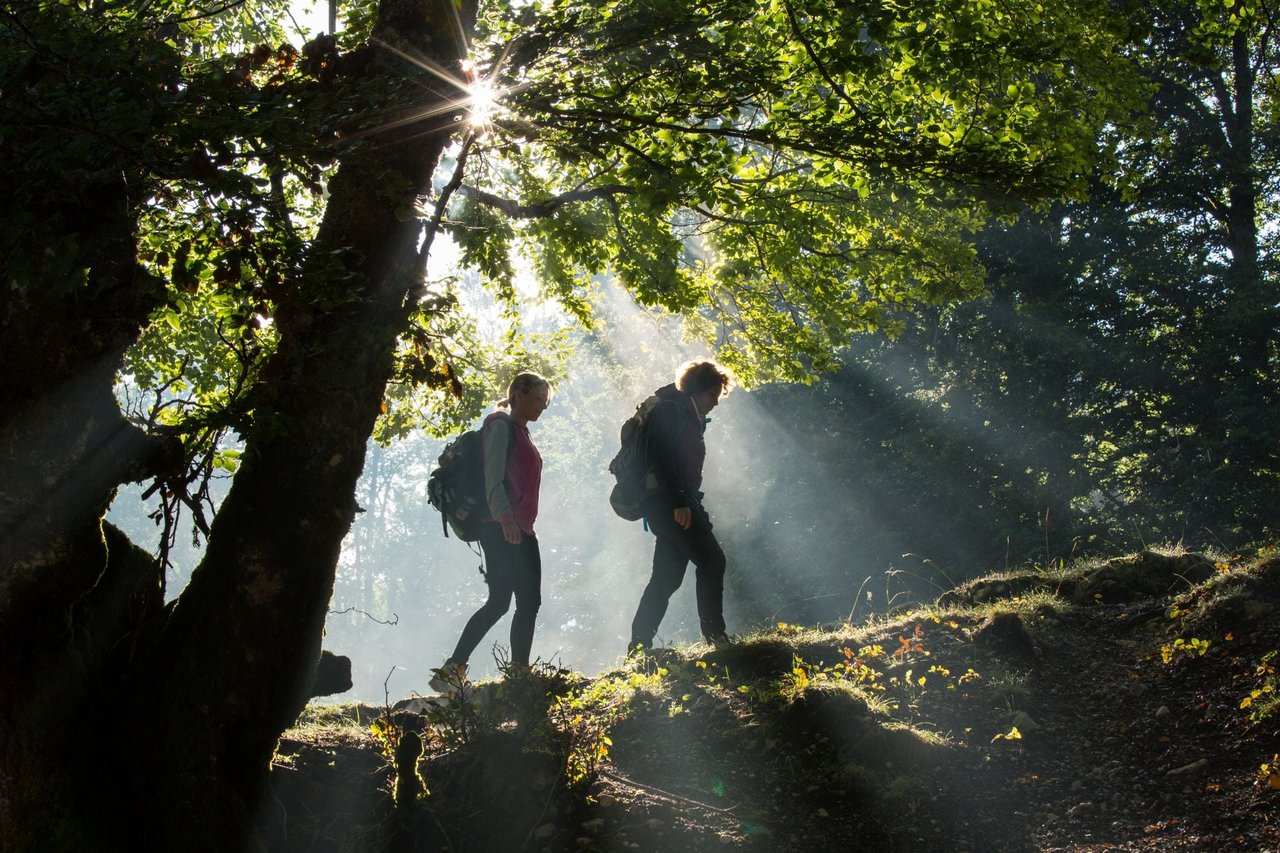
Banner photo: Tourists hiking at Apennines Marsican Bear Heritage Area, Italy. (Credit: Bruno D Amicis / Rewilding Europe)