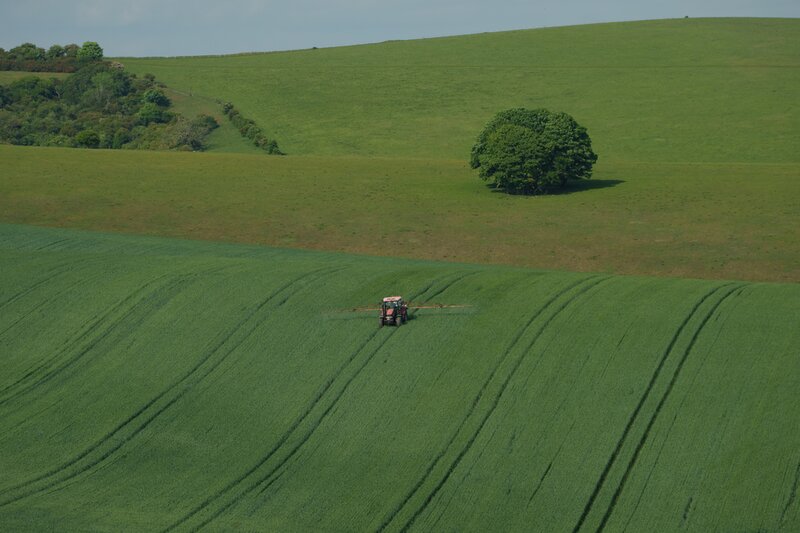
The decline of insect populations is one of the greatest threats to Starlings. This loss is visibly reflected in the dwindling numbers of insectivorous birds that rely on them as a primary food source. The widespread use of herbicides, pesticides, and artificial fertilisers has decimated these insect communities, directly impacting Starling survival.
In response, we are working hand in hand with Brighton & Hove City Council, The Living Coast UNESCO Biosphere, the South Downs National Park Authority, and the Local Nature Recovery Partnership to take concrete action to reverse this trend. Guided by the mantra "Our City is Their City," the initiative celebrates Brighton’s unique position between the Downs and the sea, ensuring wild nature continues to thrive within the city’s heart.
In the Local Nature Recovery Strategy, Starlings are listed as a priority urban species. Key protection measures include:
- Habitat Restoration: Improving the management of species-rich grasslands, wetlands, and urban scrub to enhance landscape connectivity.
- Nesting Support: Providing high-quality, strategically placed nest boxes.
- Education & Engagement: Working with businesses, developers, and the public to foster active involvement in conservation.
- Best practice: develop best practice guidance for developers and planners
Land management changes: For example, The City Downland Estate Plan is driving change by aiming to reduce the use of chemical fertilisers and pesticides on city green spaces.
Helpful links
Apply to become a Wildlife Heritage Area