Starling City Heritage Area Information
Information
Description
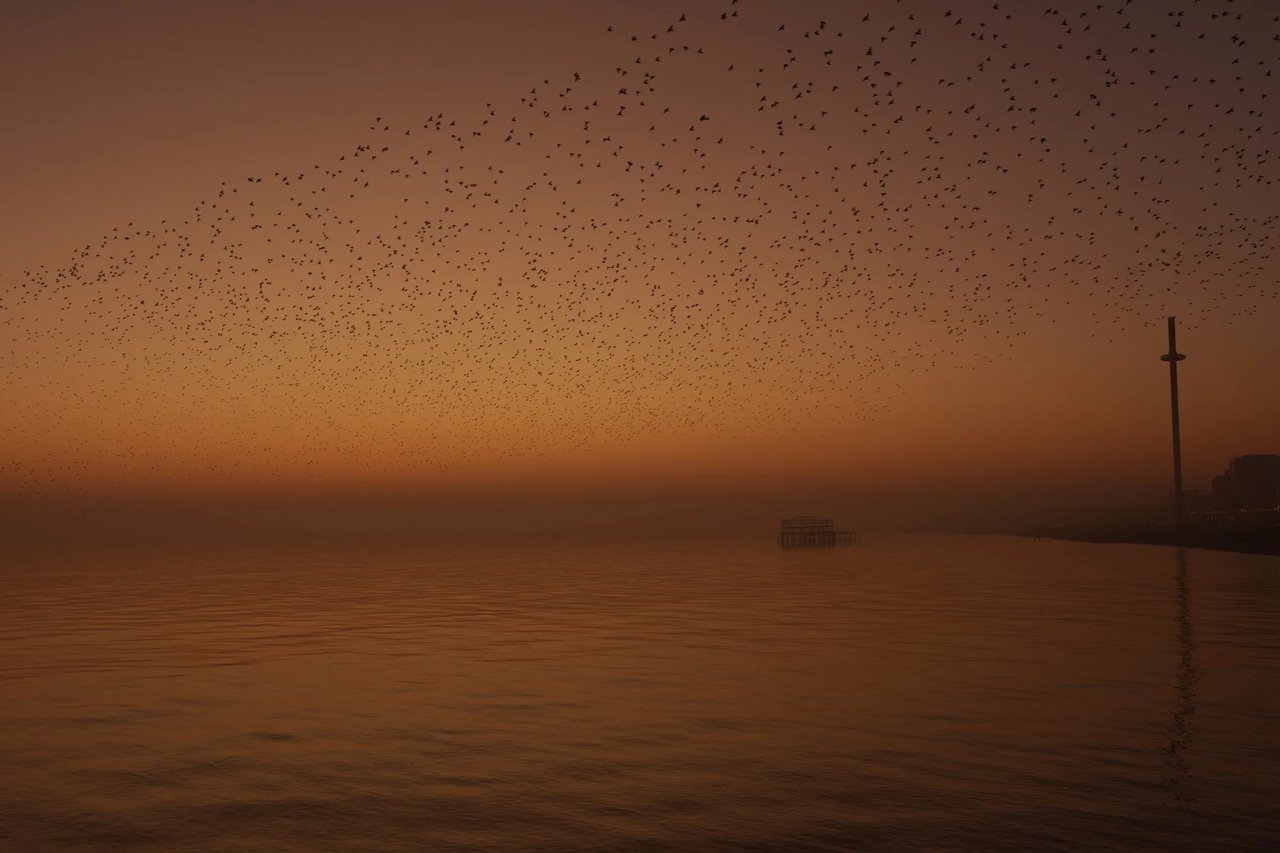
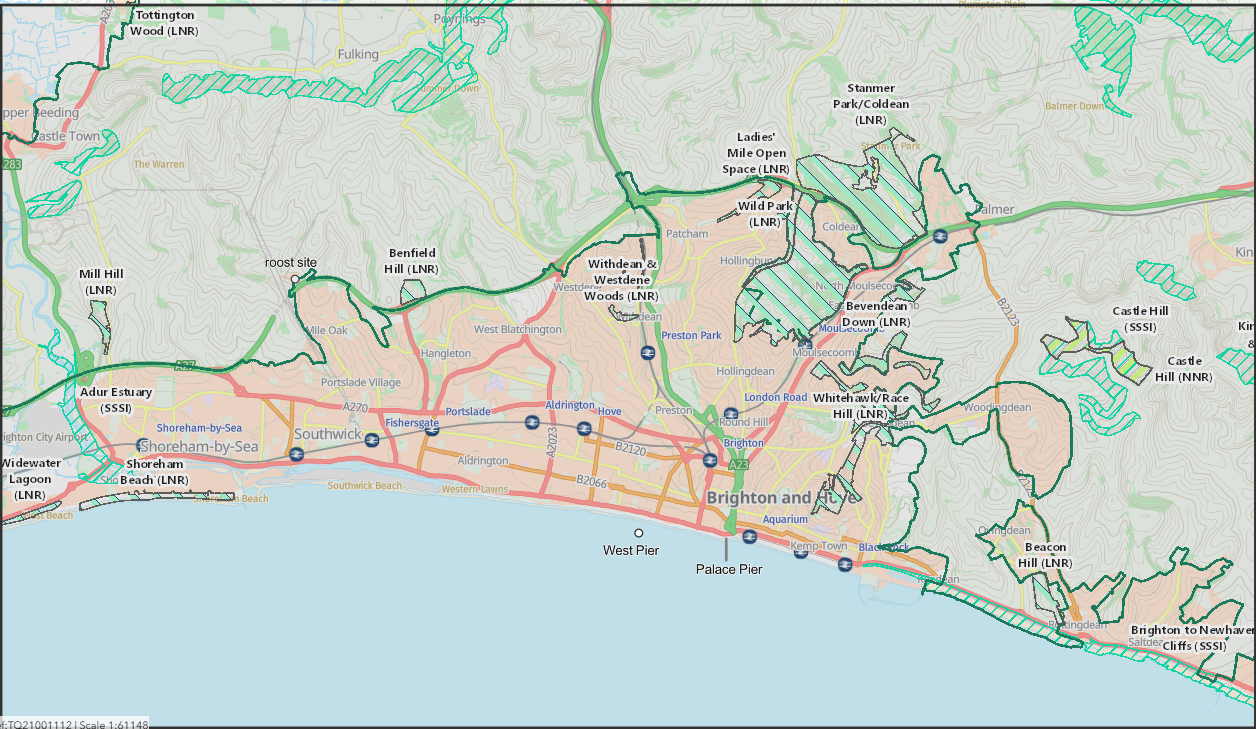
Nestling on the English south coast, Brighton is host to an iconic winter gathering of up to 15,000 starlings.These characterful, iridescent birds roost under Brighton’s famous Palace Pier with numbers peaking in February when birds from Europe sometimes join the resident flock. On clear evenings the starlings can be seen performing their spectacular aerial dance over the sea, known as a murmuration. These spellbinding avian gatherings, sweeping and swooping between the Palace and West piers, bring joy and wonder to the many lucky locals and bring thousands of visitors from across the globe watching from the shore or the Pier as the sun sets.
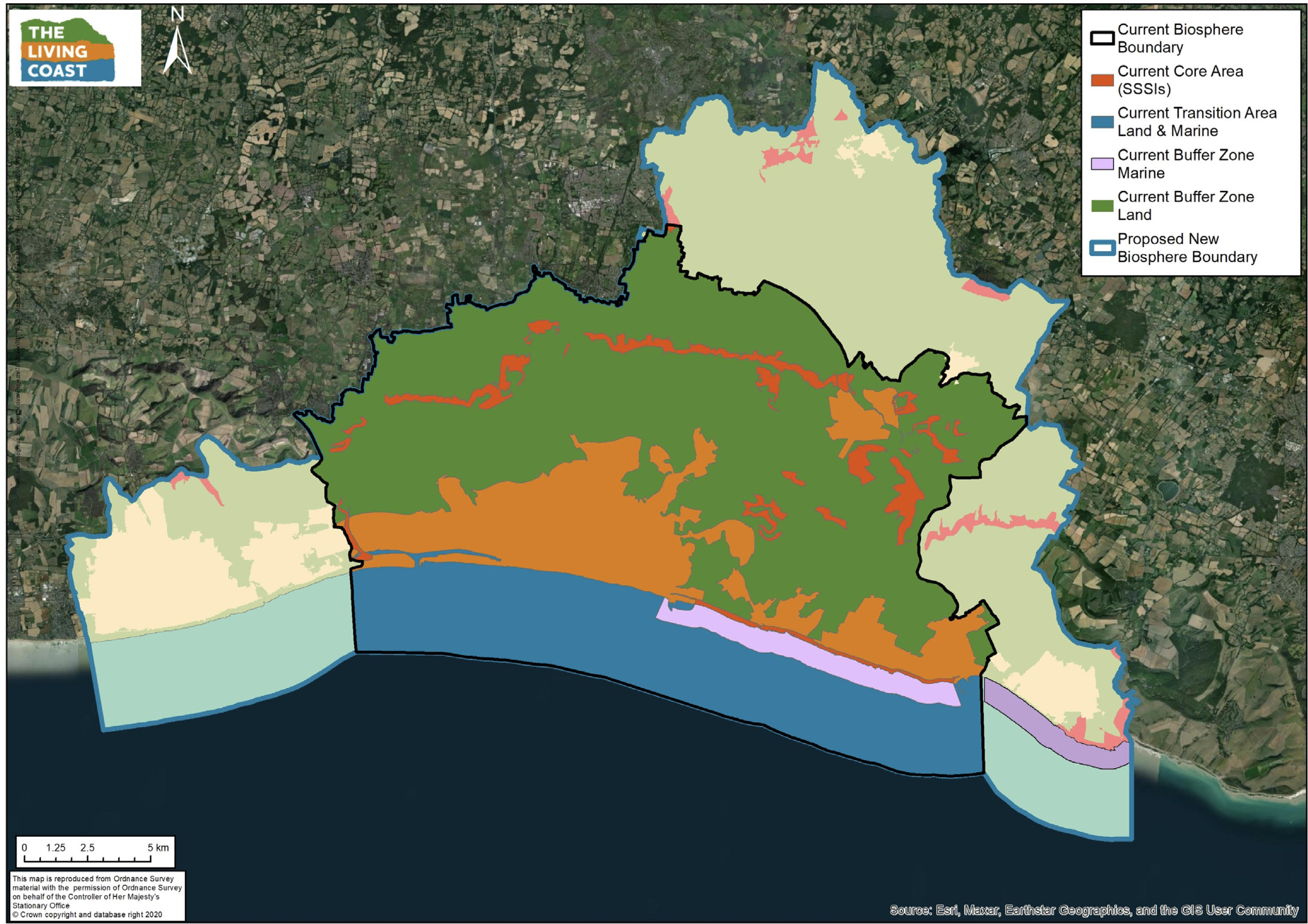
Surrounded by the South Downs National Park, Brighton is home to the UK’s only urban UNESCO World Biosphere Region, known as The Living Coast, which celebrates the connection between the South Downs and the coastline.
While Starlings are a familiar sight feeding in gardens and parks, they also rely heavily on the farmed grasslands surrounding the city. Much of this Downland Estate is managed by Brighton and Hove City Council. Further supporting these habitats is the Waves to Weald 100-mile nature recovery corridor, which aims to strengthen biodiversity across Sussex.
The Local Nature Recovery Strategy lists Starlings, swifts and house martins as priority urban bird species. Proposed protection measures included in the strategy are to create and improve management of species rich grassland, wetland and pockets of scrub in urban areas and improve connectivity within the landscape .
Motivation
Wildlife watchers have long been aware of the starling murmurations and together with other Brighton residents will remember far larger flocks of over a hundred thousand as recently as the 1980s. However, it was during the Covid lockdowns when Brighton’s starlings rose to broader public prominence as many people took a lockdown seafront walk at sunset and discovered the spectacle for themselves. Posting about it encouraged yet more and more people to seek out the starling murmurations. People gained an immense sense of inspiration and wellbeing from a shared experience of natural awe.This greater recognition also alerted people to the decline of the population and the terrible possibility that the murmurations may cease completely which has created a community wide interest in trying to recover our spectacle starlings.
The WHA status will aid us in accessing funding to help raise awareness of starling population declines through community, cultural and artistic events, as well, as other activities including citizen science projects to help monitor the starling population, install nest boxes and initiatives to encourage good conservation practices, such as, reducing the use of insecticides, creating new habitat and influencing land managers.
Boundary map
Overview
Title: Starling City Heritage Area
Level: Candidate
Name/location: Brighton, United Kingdom
Name/species/group: Starling
Country: Great Britain
Approximate size (sq km): 1km
Area Features
Starling - species
Stability
The Common starling is listed on the IUCN Red List of Threatened Species and Species of European Conservation Concern as of ‘least concern’. In the UK, Starlings are red listed in the Birds of Conservation Concern (BoCC) report which is the primary tool used by conservationists to identify which bird species are in the most trouble. The abundance of breeding starlings has fallen rapidly and continues to be strongly downward declining by 57% between 1995 and 2023 (data.bto.org/trends_explorer/?species=Starling)
Threats
The Common starling is listed on the IUCN Red List of Threatened Species (global) and Species of European Conservation Concern as of ‘least concern’ and also red listed on the UK birds of Conservation concern. The abundance of breeding Starlings in the UK has fallen rapidly, particularly since the early 1980s, and continues to be strongly downward. The UK breeding population has declined by 57% between 1995 and 2023. Sussex holds approximately 2.1% of the GB starling population.
Although the ecological drivers of starling population decline are poorly understood, changes in the management of pastoral farmland are thought to be partly responsible and the decline of first year over winter survival rates appear to account for this change. Other factors are catastrophic declines in insect populations, accelerated by pesticides and light pollution, and the loss of nesting opportunities in both urban and rural locations.The data suggests that starling losses mostly occur in younger birds less than one year old.
Starlings are declining in urban areas, such as Brighton, which support around 60% of the population (Robinson et al. 2005a). Urban starlings produce fewer young than rural birds (Siriwardena & Crick 2002) and urban birds are declining more strongly in the south of Britain than in the north and west (Robinson et al. 2005a). However, the reasons for the decline in urban areas are unclear and further research is needed before evidence-based conservation actions can be proposed. BTO, 2026. BirdTrends 2025: trends in numbers, breeding success and survival for UK breeding birds. www.bto.org/birdtrends
To connect the maximum number of people to the plight of starlings, the annual murmuration events along the urban coast of Brighton provide an electrifying focus on this endangered species and hopefully will raise the murmur to a shout.
Actions taken for protection
Raising awareness around the decline in numbers and what the general public can do to protect them. Giving out starling nesting boxes to put up in gardens throughout Brighton. Working with the City Downlands Estate to create more habitat and feeding grounds for birds like species. Working with local farmers to move from intensive to more wildlife friendly practices. Being mindful of the starlings roosting spots, like Brighton Palace Pier, in winter.
Wildlife and Countryside Act - protection of wild birds provision. Starlings, their eggs and nests are fully protected under the Wildlife and Countryside Act 1981; under this Act the birds cannot be taken or killed, nor their eggs or nests (when in use or being built) be taken or destroyed except under licence.
Starlings have been identified as a species of principal importance in England for biodiversity conservation under the Natural Environment and Rural Communities Act (NERC). Starlings are on what is known as the Section 41 list.
Being on the list helps:
- public bodies – to meet their ‘biodiversity duty’ to be aware of biodiversity conservation in their policy or decision making
- landowners – to inform their nature recovery planning, action and funding applications
- funding bodies – to support suitable nature recovery
120,000 Brighton residents signed a petition to protect starlings in the city. This led to the Brighton & Hove City Council introducing actions to reduce the use of pesticides and herbicides on their Downland Estate. These changes should increase the number of insects available for starlings and other wildlife to feed on.
Community Importance
Like the already well established seagulls, adopted by Brighton and Hove Albion football club, Starlings are becoming a huge part of Brighton’s cultural identity and there is already a fledgling movement celebrating these beautiful multi-coloured birds.
Starling related public artworks across the city :
There are a number of commissioned public art works featuring Starlings:
- Christian Funnel’s gates at Westbourne Villas;
- Kerry Lemon’s copper Starling murmuration at Lyon Close;
- Steve Geliot's photographic panel mounted on a housing development at School Road;
- Printed hoardings at The Royal Sussex County Hospital
- A Starling mural at Upper Sudeley Street
- Brighton Palace Pier Starlings Roost cafe: https://www.brightonpier.co.uk/eat-and-drink/starlings-roost
- Local photographer Alex Bamford creates timelapse videos that track the movement of starlings as a series of lines: https://www.facebook.com/alex.bamford2/videos/597515995935400/?idorvanity=343329786021733
- Local galleries sell murmuration prints from different photographers: https://www.brightonphotography.com/brighton-starling-murmuration-prints
- Fabrica has hosted starling themed artworks and talks: https://fabrica.org.uk/exhibitions/murmurations
- Local artists feature starlings in their work: https://alejez.com/print/starlings-kemptown-brighton-seafront-pebble-beach/
Wildlife Watching Guidelines
Starling watching guidelines:
- Enjoy the starlings without disturbing them
- Watercraft: Stay 50 metres away from roost sites under Brighton Pier
- Do not shine lights on to roost sites
- Do not use drones near flocks of birds
- Keep your dog under close control if you see starlings on the ground feeding
House martin - species
Stability
House Martins are red listed in the Birds of Conservation Concern (BoCC) report. They are a common but declining summer visitor and abundant passage migrant. English population declines appear more severe in South East England including Brighton.
Elm trees - specie
Stability
Brighton is home to the National Collection of Elms, which contains some of the rarest and most significant elm trees in the world. The city has over 17,000 elm trees, including 60 National Registered Champion Elms, while 15 individual trees are believed to be the last surviving examples of their kind anywhere in the world.
Actions taken for protection
Elm trees are not protected under UK law but some trees in the city have Tree Preservation Orders (TPOs). Elms have suffered severe population declines over recent decades due to The Great Storm of October 1987 and Elm disease but Brighton and Hove City Council is world renowned for work in managing the diseases impacts and spread and propagating and planting new, disease resistant, varieties.
Community Importance
Celebratory Elm events across the city:
- National Tree Collection
- Urban Tree Festival - celebration Brighton & Hove’s national elm collection 2022
- National Tree Week 2025
- History of the trees in Brighton and Hove
- Tree trails in parks across the city
- CPRE Sussex Tree Festival - event in Preston Park, Brighton 2026.
- Celebrating the Preston Twins, the largest and oldest English Elms in the world.
- Special Trees in Brighton and Hove Leaflet - including world champion elms
Swift - species
Stability
Swifts are amber listed in the Birds of Conservation Concern (BoCC) report. They are common summer visitors and passage migrants in East Sussex. There is a decline in breeding population and they scored highly in public surveys locally.
Peregrine falcon - specie
Stability
Peregrines are green listed in the Birds of Conservation Concern (BoCC) report. Urban populations are increasing by adapting to nesting in tall buildings and due to more abundant prey, while rural populations are still persecuted.
Actions taken for protection
Peregrines are Schedule 1 listed species in The Wildlife and Countryside Act.
They are also listed in Appendix 1 of the Convention on International Trade in Endangered Species (CITES). This is the highest level of protection given to any species and means that all commercial trade in the species is banned in all of the 170+ countries that have signed the Convention. In urban areas peregrines nest on tall buildings and are more likely to be threatened by disturbance to their nest sites.
Community Importance
Peregrines
Live webcams on Sussex Heights peregrine nest since 1998. Three young can be seen in the nest currently.