A case of successful conservation at Golden Lion Tamarin...
In the 1970s, the golden lion tamarin population in the wild was on the brink of extinction, with...
Rio de Janeiro, Brazil
Explore the Golden Lion Tamarin Ecological Park! Experience the Atlantic Forest and discover conservation efforts focused on the golden lion tamarin's unique habitat.
The Golden Lion Tamarin Ecological Park is a unique park! All the attractions are related to the habitat of the golden lion tamarin, the Atlantic Forest, and the conservation actions to save the species from extinction. There are several options for trails, viewpoints and opportunities to contemplate nature.
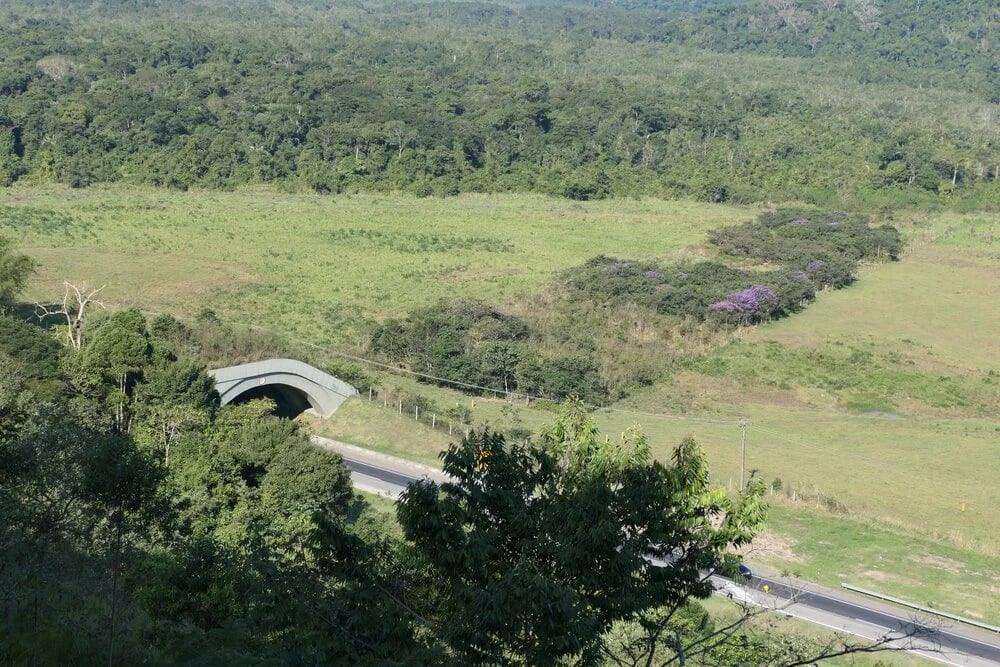
You'll be able to see the strength of the forest, which is reborn where it used to be pasture, a vegetated viaduct that is a pioneer in the country for animals to cross the highway safely and an agroforestry that allows you to produce food while keeping the trees standing. You can also have an unforgettable experience and see the tamarins in the wild.
In the 1970s, the golden lion tamarin population in the wild was on the brink of extinction, with...
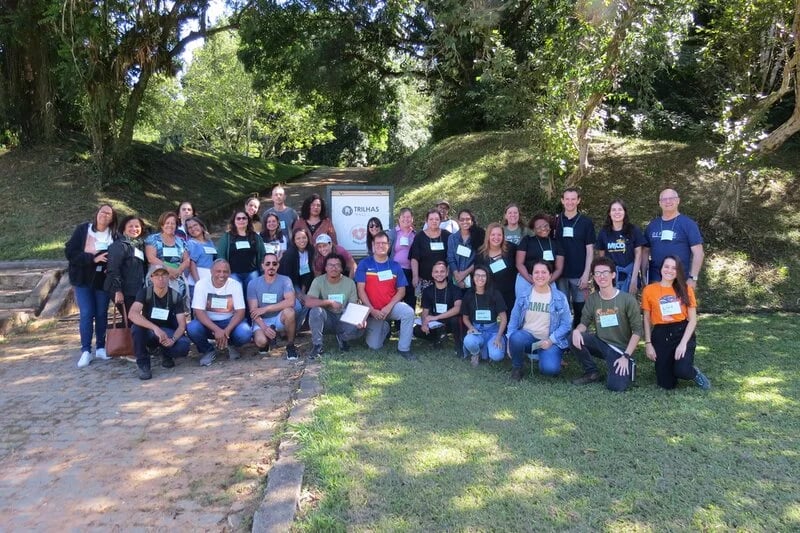
Lou Ann Dietz came to Brazil in the 1970s, serving with her husband James Dietz as Peace Corps...

The participation of family farmers from agrarian reform settlements and rural landowners in the region is one of...
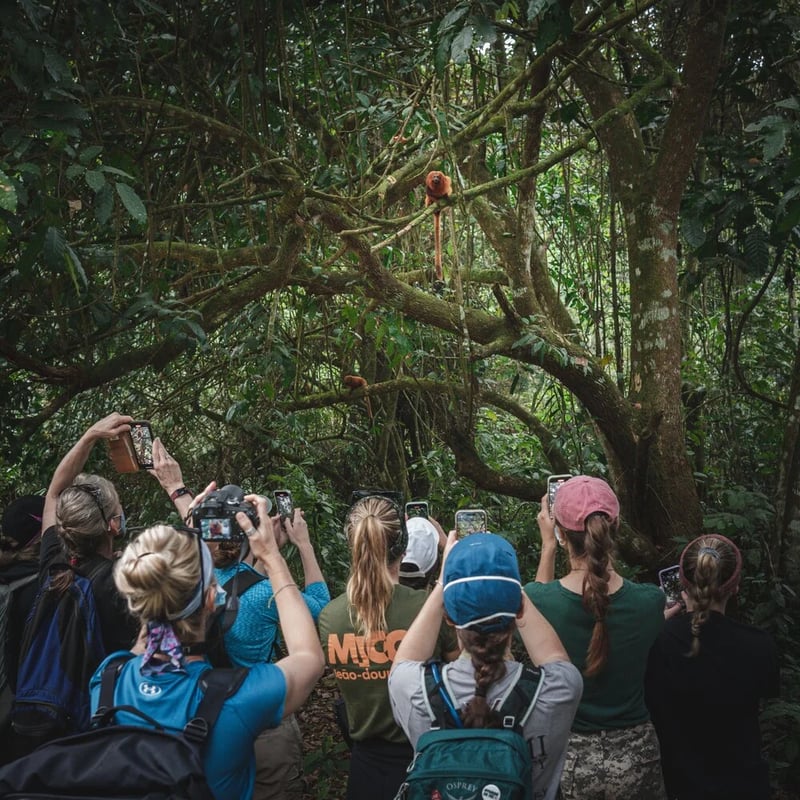
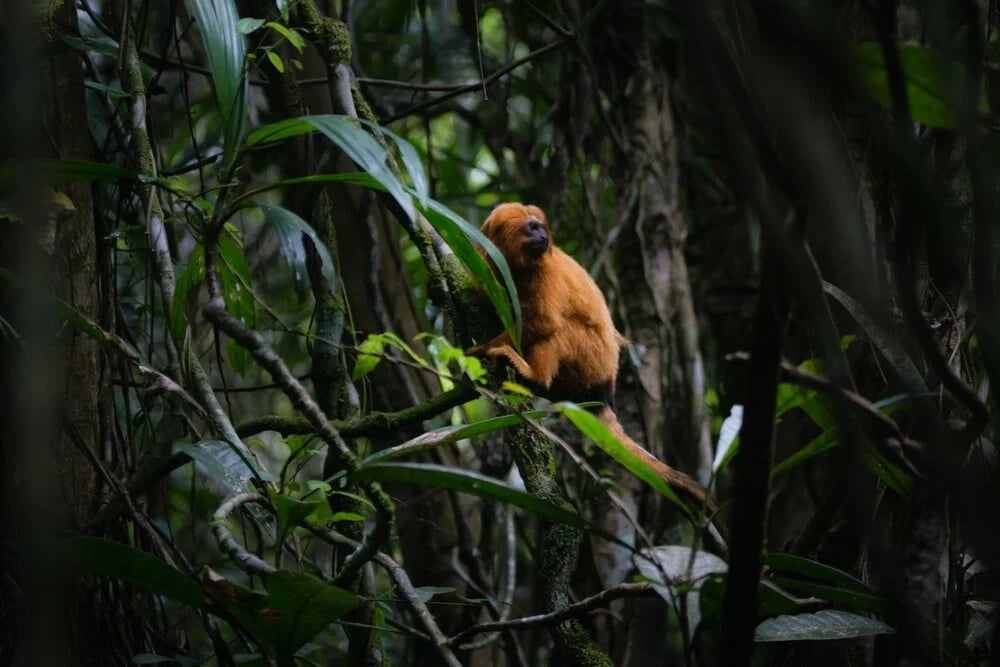
On this tour, visitors will have the chance to observe golden lion tamarins and their behavior in the...
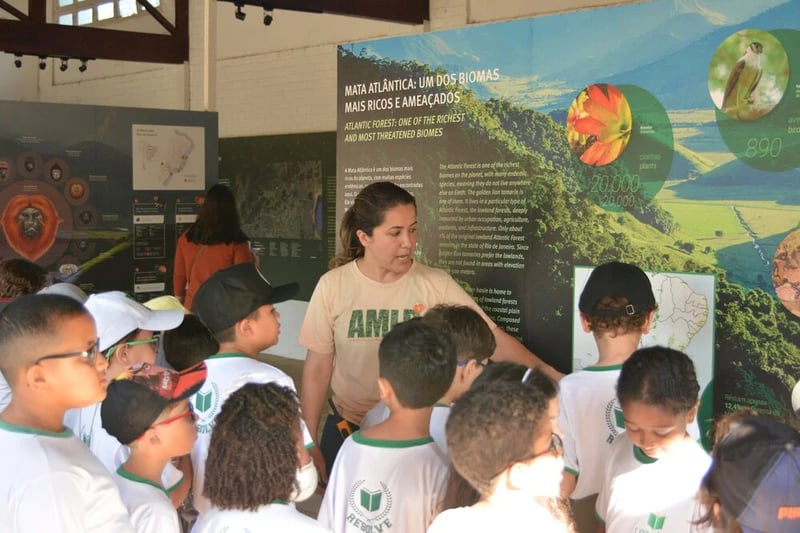
The history of the conservation of the Golden Lion Tamarin.
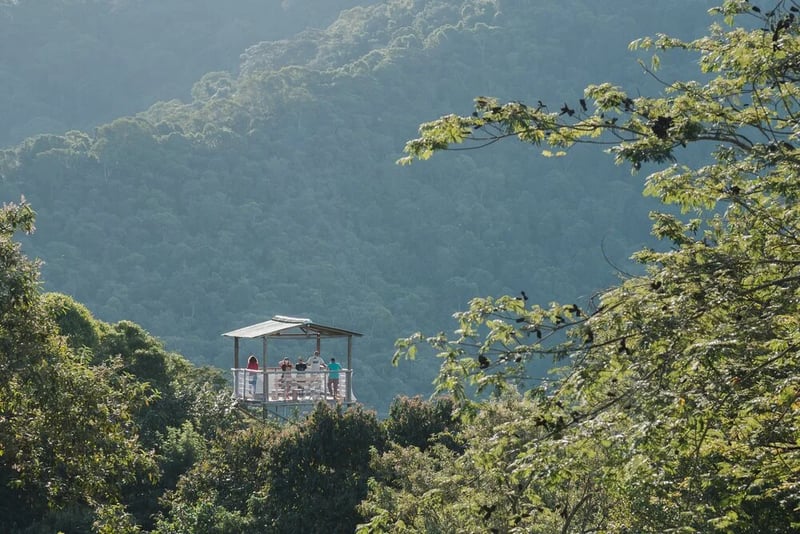
One of the main trails in the park, this route starts at the foot of the lake and...
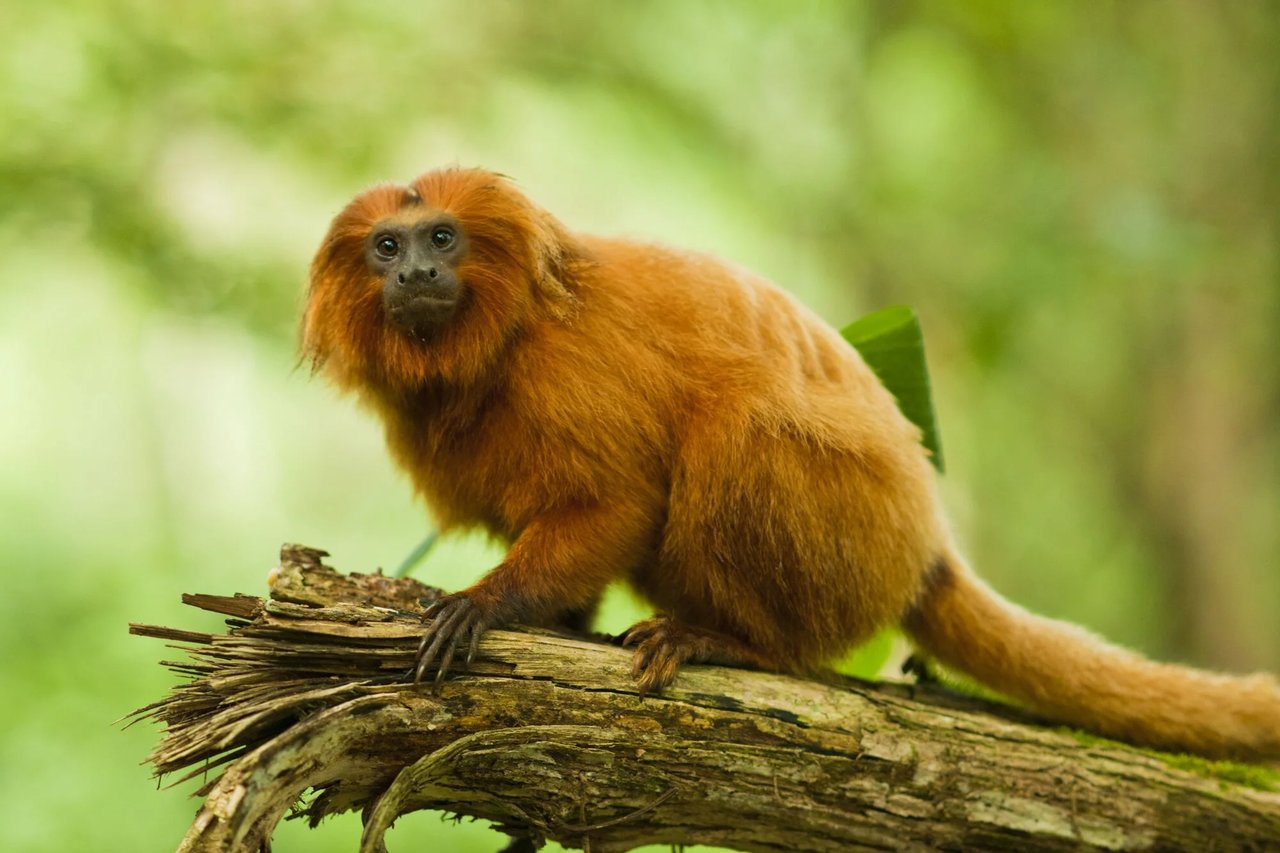
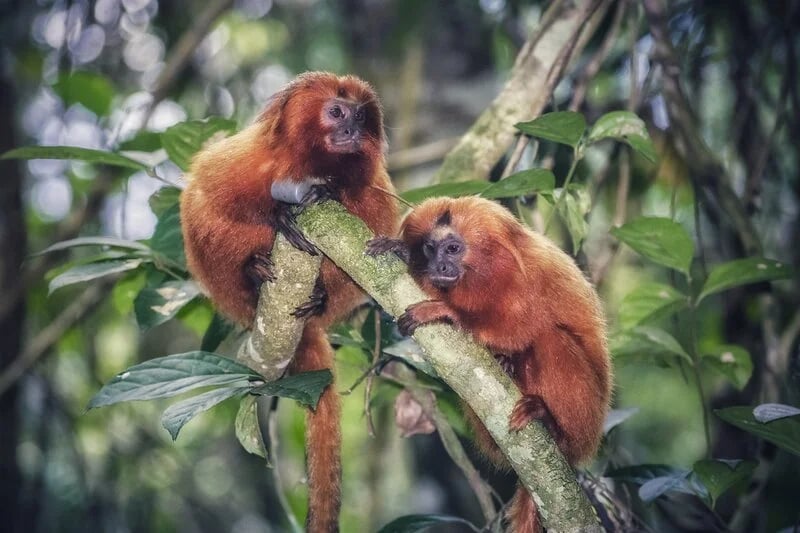
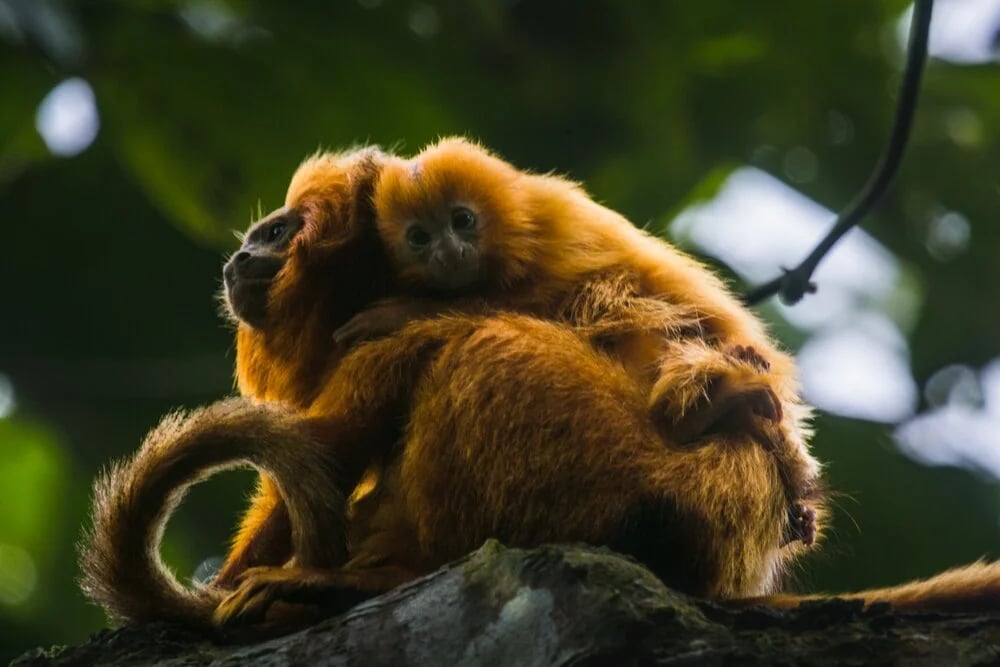
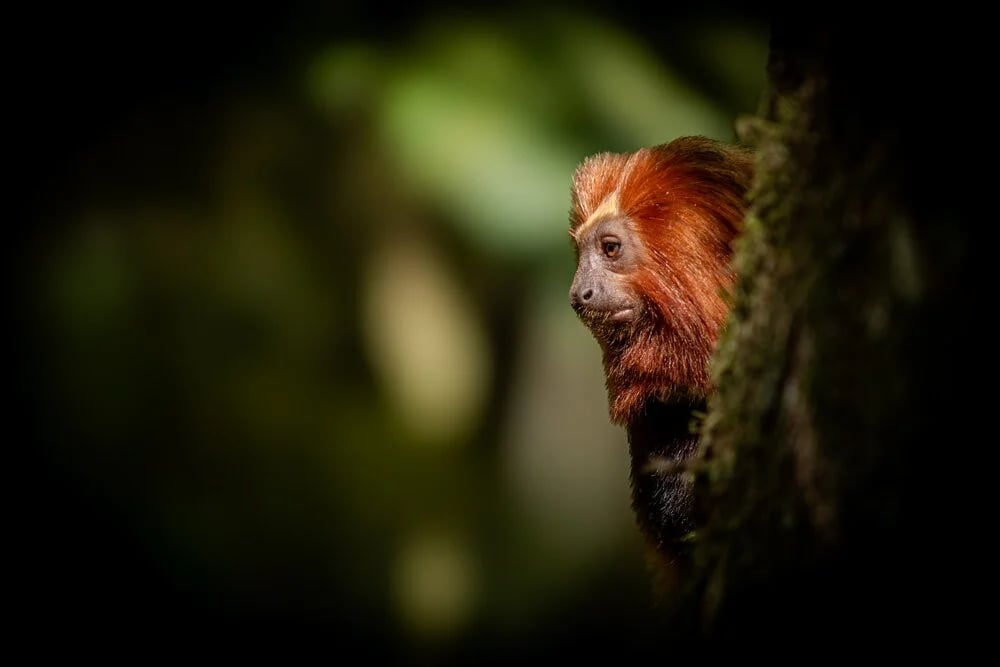
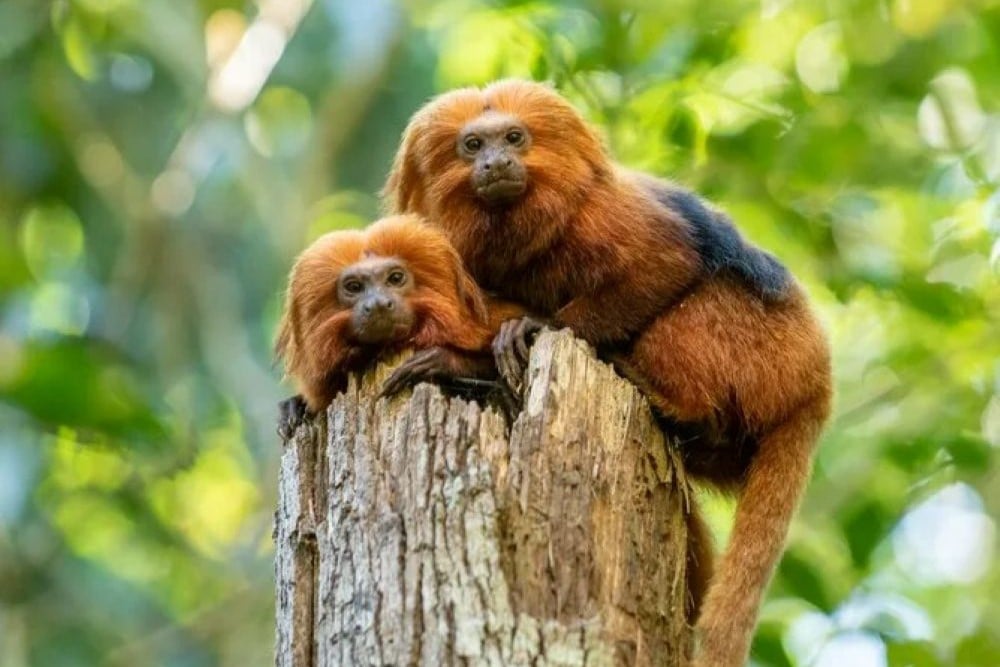
The golden lion tamarin is a primate species endemic to the lowland Atlantic Forest of the state of Rio de Janeiro, Brazil. The tamarins gather in family groups, composed by an average of 4-6 individuals, but can reach up to 12 individuals. They sleep in tree hollows and tangled vines, have a diurnal habit, and feed on fruit, nectar, sap, tree gum, small amphibians and various invertebrates. All members of the family help care for their young. They are currently classified as "endangered" by the IUCN. They are territorial, with conflicts between groups when they meet, and each group has an average home range of 40 ha.
The biggest threat to the golden lion tamarin is habitat loss and fragmentation caused by deforestation on private properties, by oil and gas pipelines from the national oil extraction company (Petrobrás), by roads, and by the BR101 highway, which after its duplication began to have a more intense effect in this regard. However, the return of wildlife trafficking in the region has become more worrying since 2023. There is also the threat of outbreaks of contagious epidemic diseases, such as yellow fever, which between 2017 and 2018 caused the death of 1/3 of the existing tamarin population.
Each Wildlife Heritage Area is assessed by a species or habitat expert from a reputable non-profit organisation or academic institution. The assessor represents a supporting organisation able to provide the advice, information, and contacts needed to complete the designation process.
Supported by World Animal Protection