Plettenberg Bay benefits from a robust and ongoing independent conservation-research effort driven by a diverse group of stakeholders, including non-governmental organizations (NGOs), academic institutions, and government bodies.
This collaborative spirit between whale watching operators and marine researchers dates back to the 1990s, when the esteemed marine scientist Dr. Vic Cockcroft established the Centre for Dolphin Studies in Plettenberg Bay.
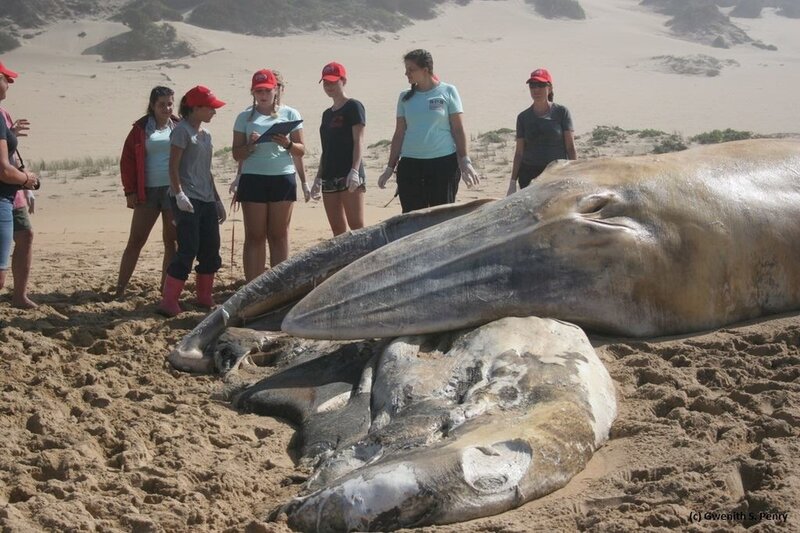
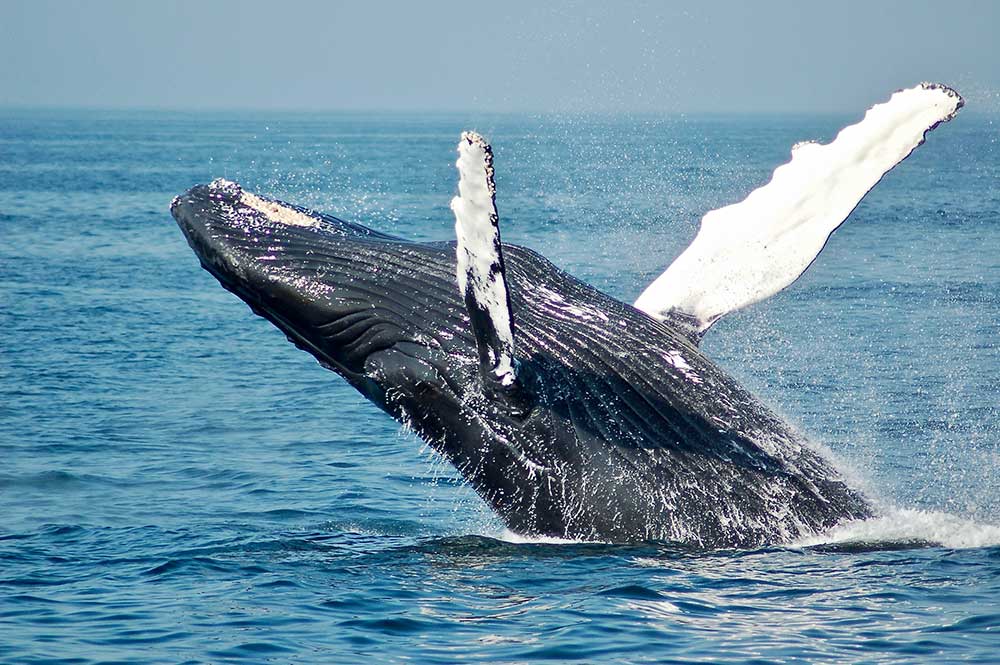
At present, numerous projects are in progress. These encompass photo-identification initiatives for humpback and bottlenose dolphins, as well as Bryde’s whale and humpback whale identification. Additionally, the Sustainable Marine Tourism Project is a key focus. Within these projects, marine scientists are granted complimentary access to whale watching vessels, enabling them to conduct their research effectively.
The contributions of Plettenberg Bay's marine scientists extend beyond local initiatives. They have played pivotal roles in informing the South African Government's Cetacean management strategy, as well as conducting research on the human impacts on cetaceans. This research, supported by the expertise and collaboration of various stakeholders, plays a vital role in understanding and safeguarding the marine environment in the broader context of cetacean conservation.
Helpful links
Apply to become a Wildlife Heritage Area