Growing Future Conservation Leaders
Environmental education plays a central role in the conservation efforts of Bijagua. At Tapir Valley Nature Reserve, we...
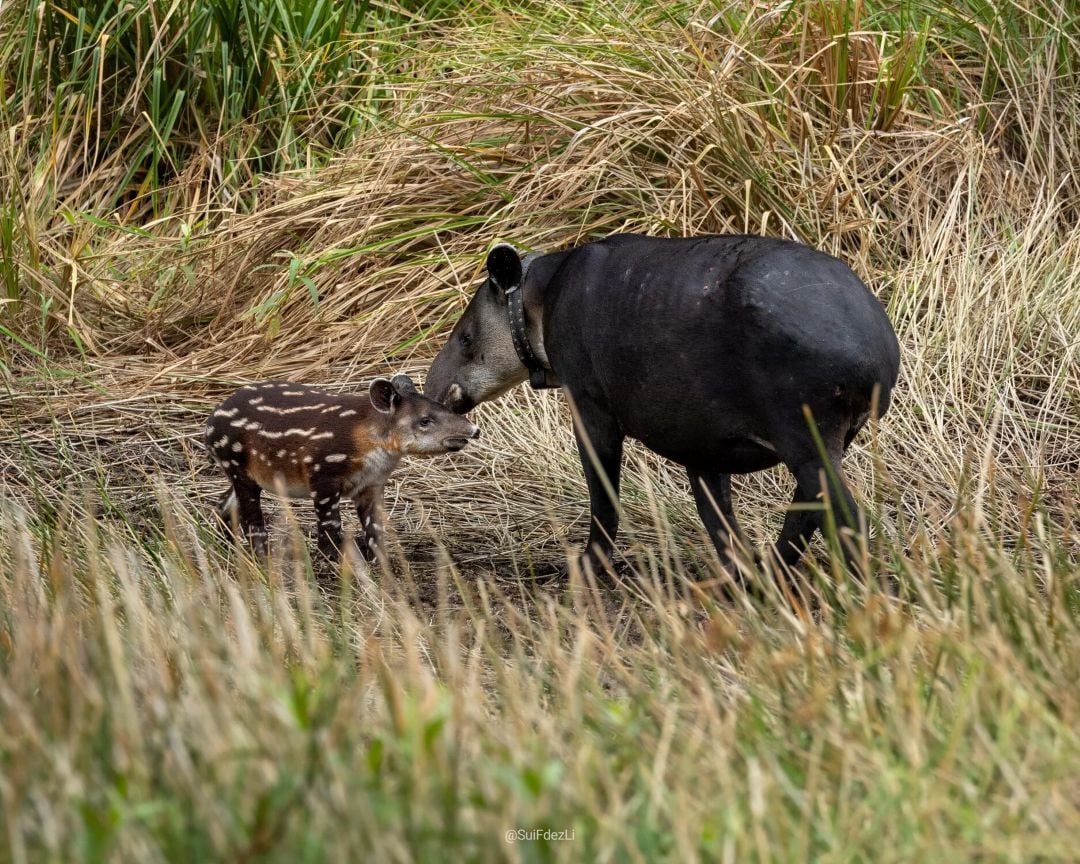
Bijagua Tapir Heritage Area
Welcome to Tapir Valley Heritage Area, a living example of how restoration, community engagement, and responsible tourism can come together to protect wildlife and inspire a more sustainable future.
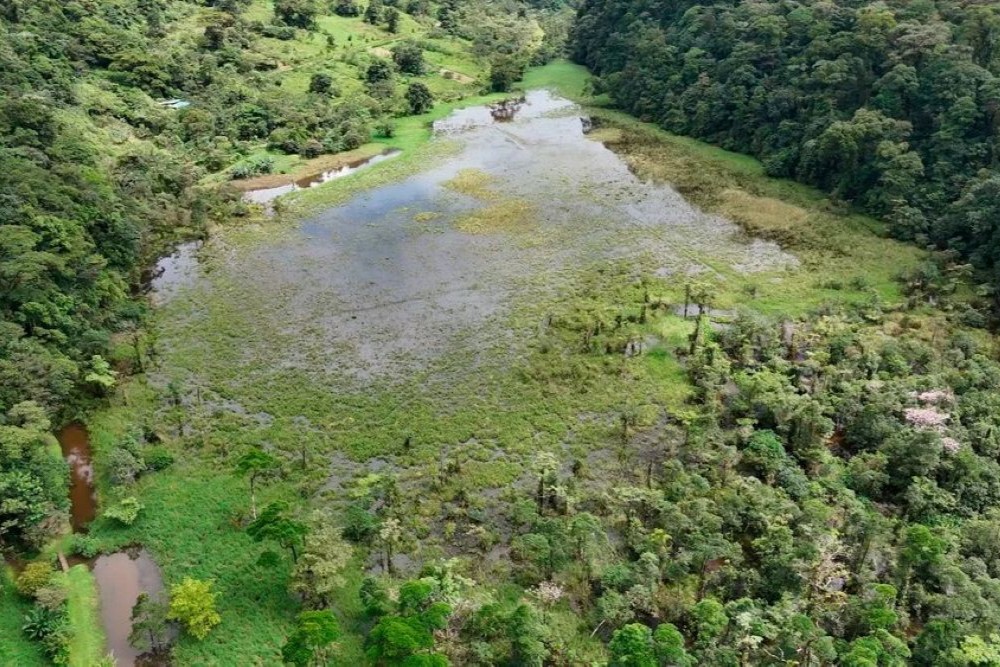
Tapir Valley Nature Reserve is a privately protected area in Bijagua de Upala, Costa Rica, located between Tenorio and Miravalles Volcano National Parks. Once used for cattle ranching, it has been restored into a thriving landscape of rainforest, wetlands, and grasslands. The reserve protects key habitats for species such as the endangered Baird’s tapir and the endemic frog Tlalocohyla celeste. Deeply connected to the local community, it combines conservation, education, and responsible tourism. Visitors experience nature through guided tours that foster respect and awareness. Tapir Valley offers a unique opportunity to connect with biodiversity while supporting a living model of restoration.

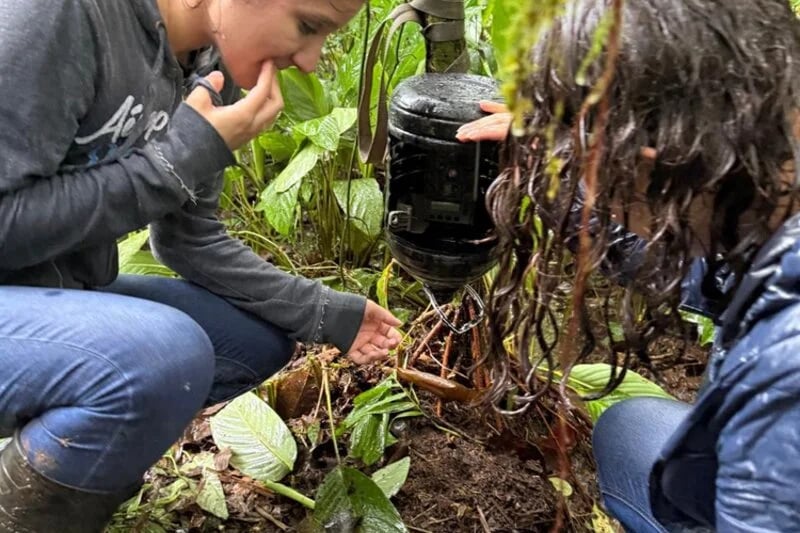
Environmental education plays a central role in the conservation efforts of Bijagua. At Tapir Valley Nature Reserve, we...
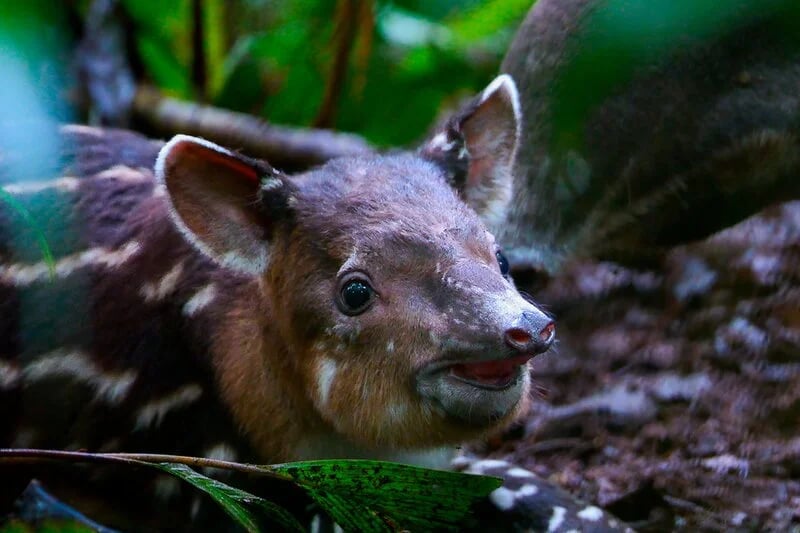
Tapir Valley was once degraded land used for cattle ranching, with little forest cover and limited wildlife presence.
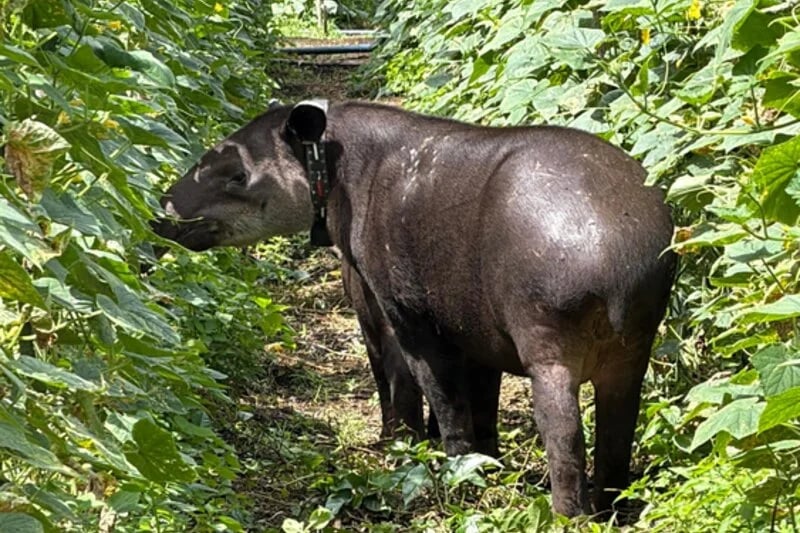
When tapirs began returning to Bijagua after years of absence, they also started feeding on agricultural crops, creating...
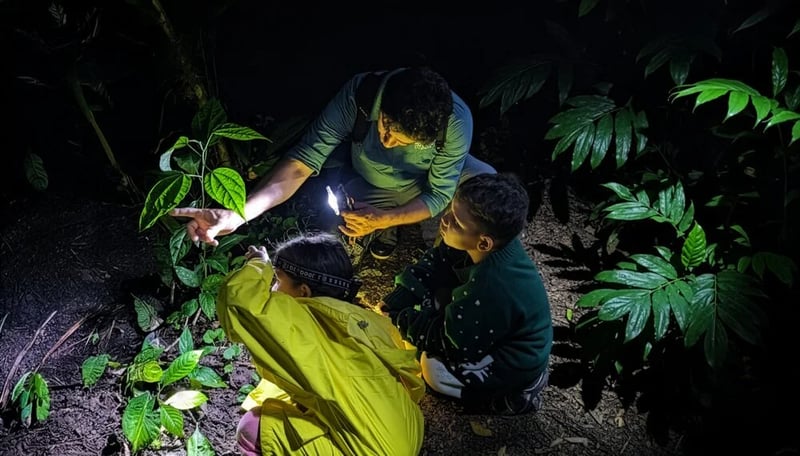
As the forest transitions into evening, explore Tapir Valley with a naturalist guide in a private or small...

Explore Tapir Valley through a personalized birdwatching experience tailored to your interests.
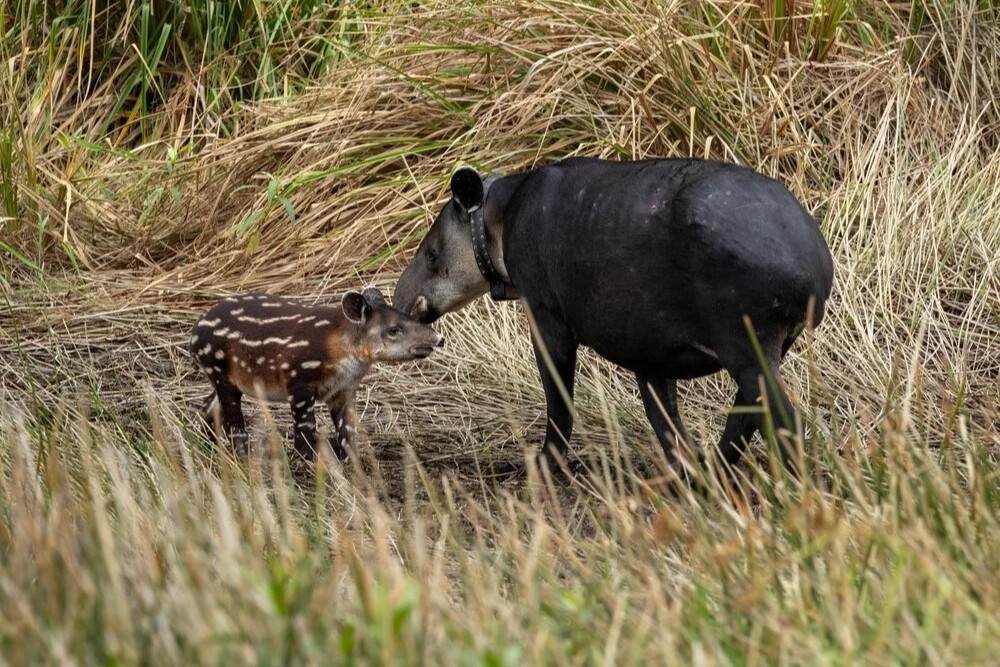
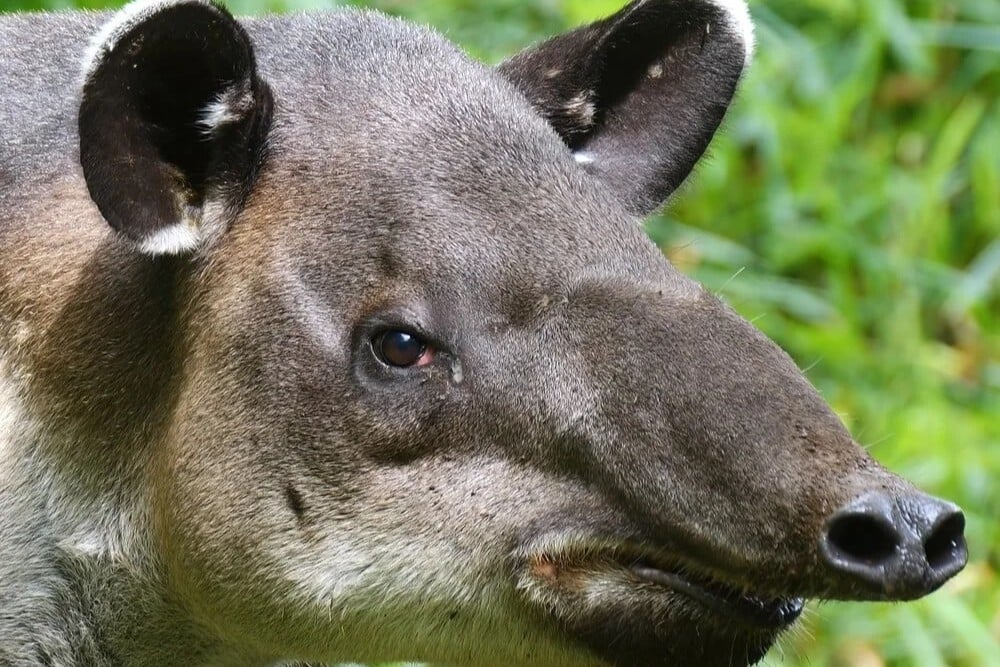
The Baird’s tapir (Tapirus bairdii) is the largest land mammal in Central America and a key species for maintaining healthy tropical ecosystems. Known as the “gardener of the forest,” it plays a vital role in seed dispersal, supporting forest regeneration and biodiversity. In Tapir Valley, its presence reflects years of restoration, as the species has returned to a landscape once degraded by agriculture. Elusive and primarily active during quiet hours, the tapir symbolizes resilience and coexistence. For the local community, it represents a shift from conflict to conservation, becoming a powerful emblem of identity, environmental awareness, and the importance of protecting natural habitats.
The Baird’s tapir (Tapirus bairdii) faces several threats across its range, primarily habitat loss and fragmentation caused by agricultural expansion and cattle ranching. These activities reduce forest cover and disrupt biological corridors essential for movement and feeding. Human-wildlife conflict also occurs when tapirs feed on crops, leading to negative perceptions. Additionally, road development increases the risk of vehicle collisions, while illegal hunting, although reduced in some areas, remains a concern. Climate change may further impact water availability and habitat quality. Together, these factors continue to threaten the long-term survival of the species and the ecosystems it depends on.
Each Wildlife Heritage Area is assessed by a species or habitat expert from a reputable non-profit organisation or academic institution. The assessor represents a supporting organisation able to provide the advice, information, and contacts needed to complete the designation process.