Human-cetacean conflict solutions
Whaling holds a significant position in the cultural heritage of the Azores, playing a vital role in shaping the local identity. However, it was the emergence...


Whaling holds a significant position in the cultural heritage of the Azores, playing a vital role in shaping the local identity. However, it was the emergence...

Sperm whale hunting was introduced in the Azores by North American whalers during the mid-eighteenth century, and Azoreans were recruited as crew. Soon they...

In the Azores, both public and private entities have developed several environmental education initiatives, with a strong focus on the “Eco-escolas” or “Escola...
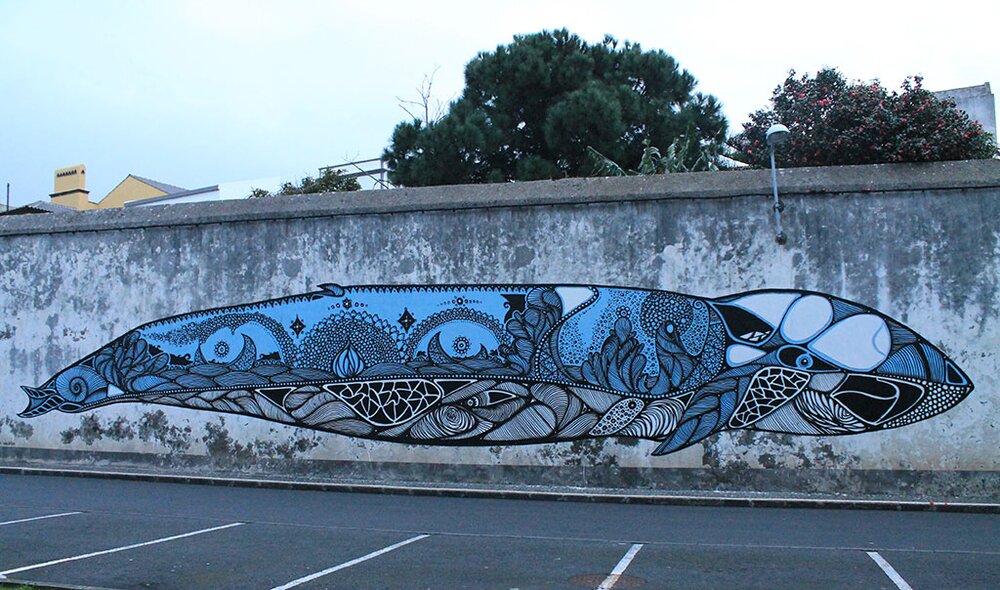
The Azores has experienced a remarkable shift from its historical legacy of whaling to a profound appreciation and celebration of its diverse marine life. In...
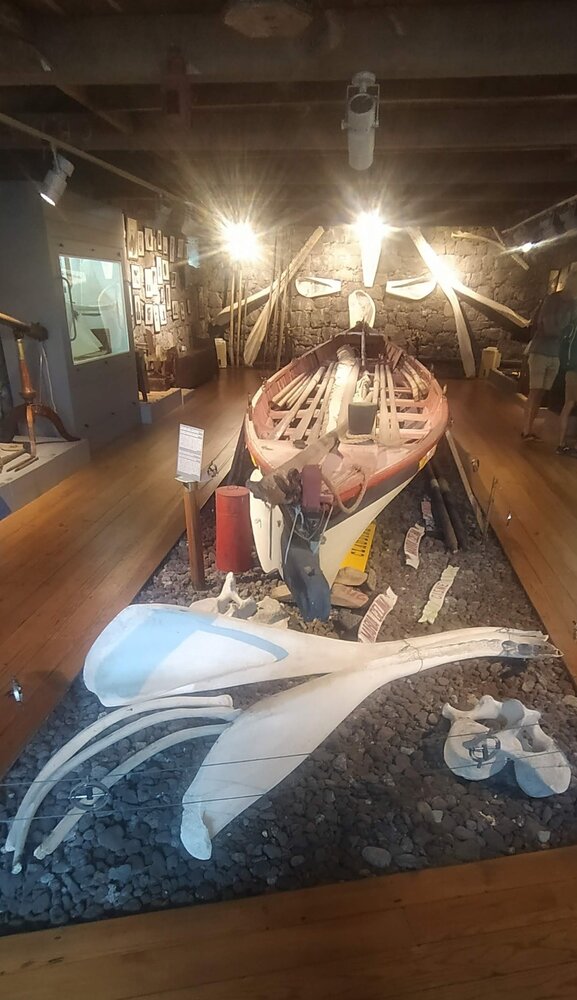
For the past five centuries, the people of the Azores have had a strong connection to cetaceans. It began with the use of stranded whales and captured dolphins...
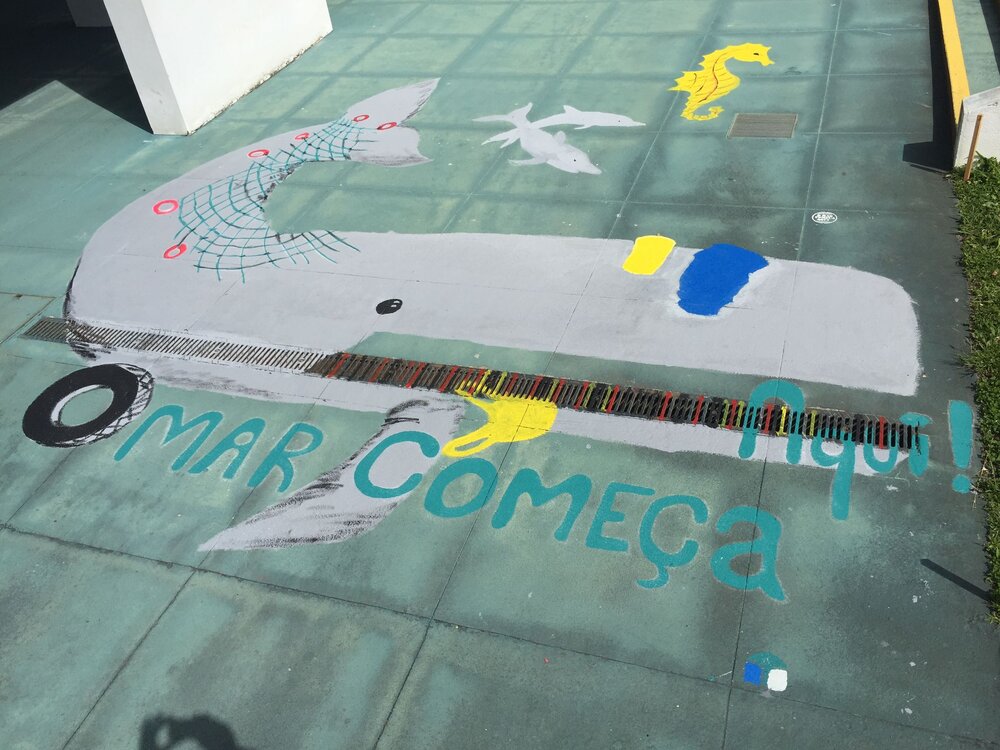
The Azores holds the distinction of being the world’s first certified archipelago to receive the EarthCheck silver Sustainable Tourism Destination...

Before any regulations came into force, a voluntary “code of conduct” was established by the operators, to agree on basic guidelines for a responsible whale...