Helping Starlings to Recover
The decline of insect populations is one of the greatest threats to Starlings. This loss is visibly reflected...
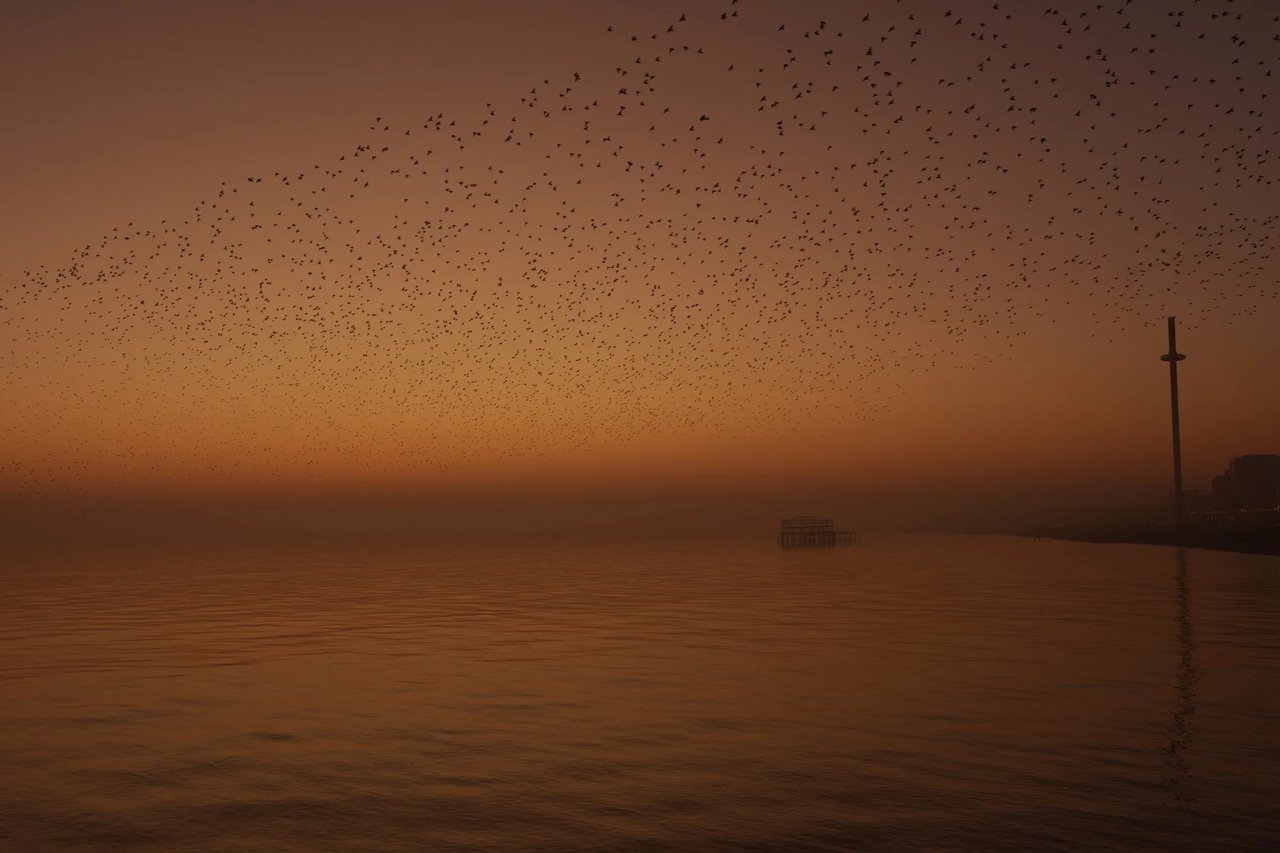
Brighton, United Kingdom
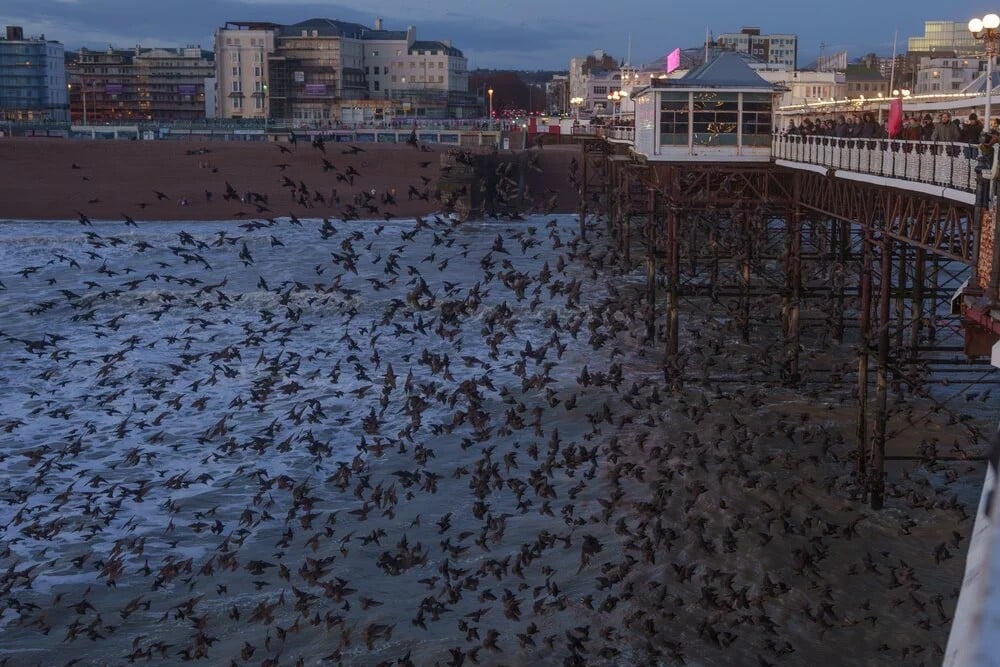
Nestling on the English south coast, Brighton is very lucky to host a rare winter gathering of up to 15,000 Starlings.
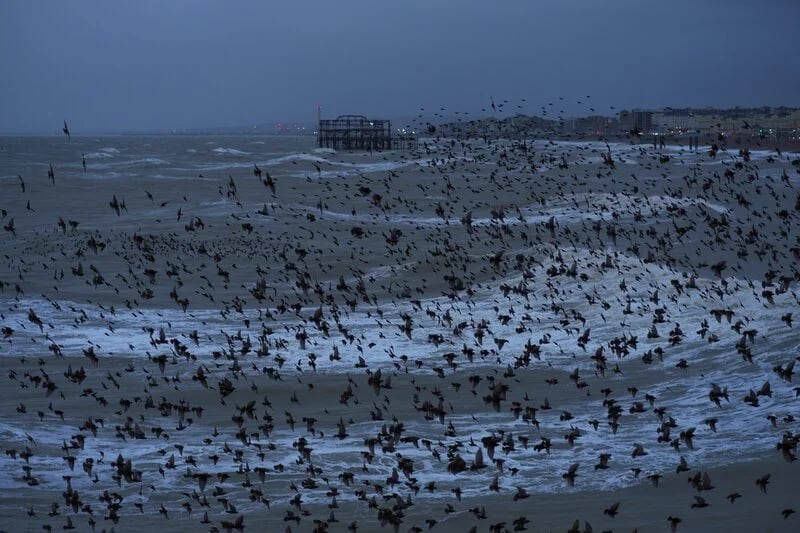
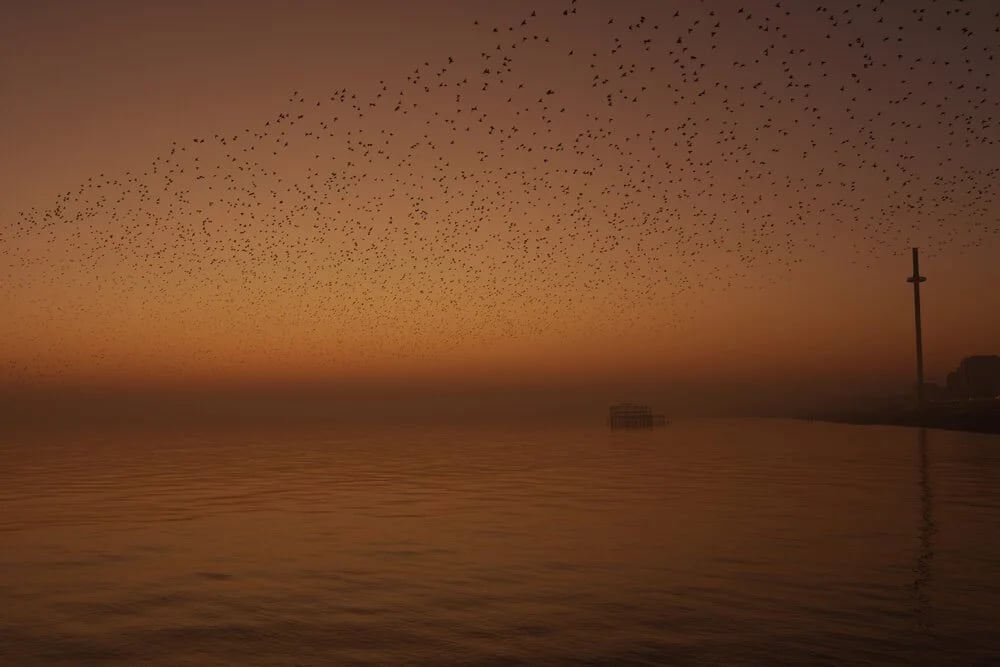
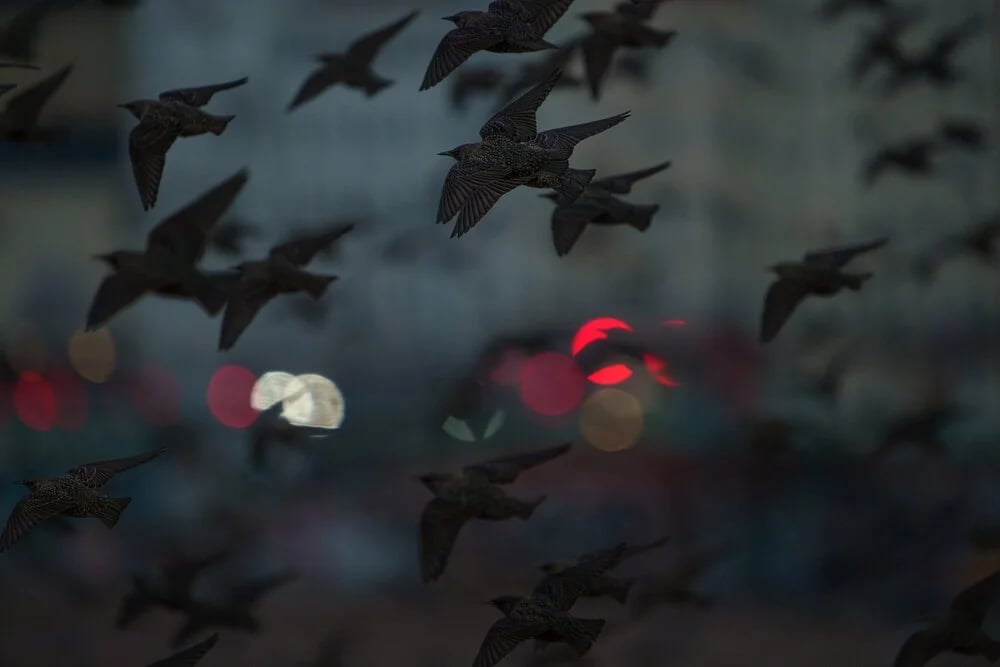
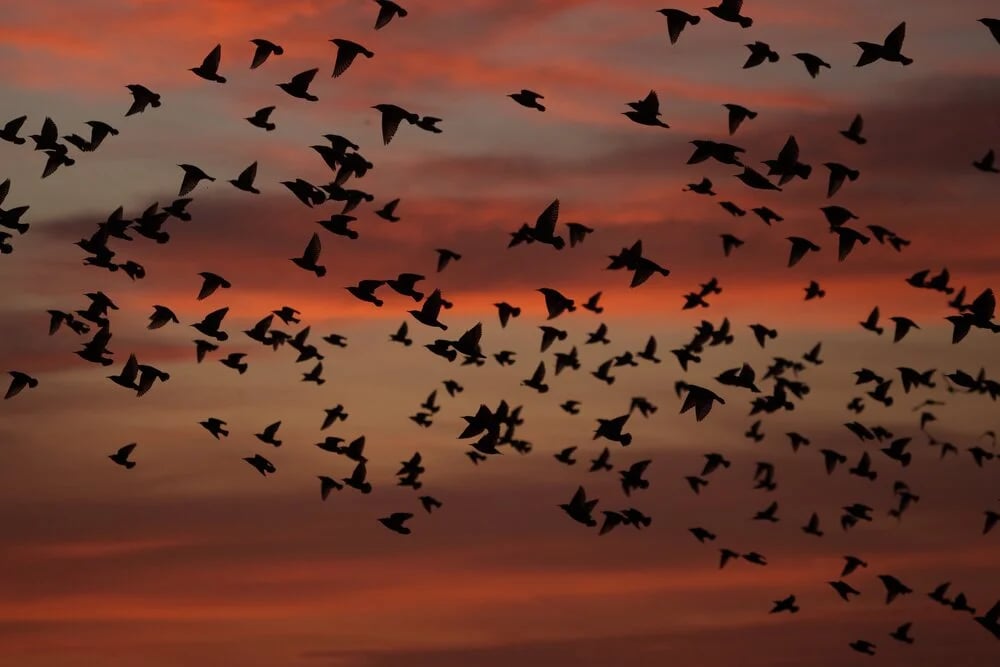
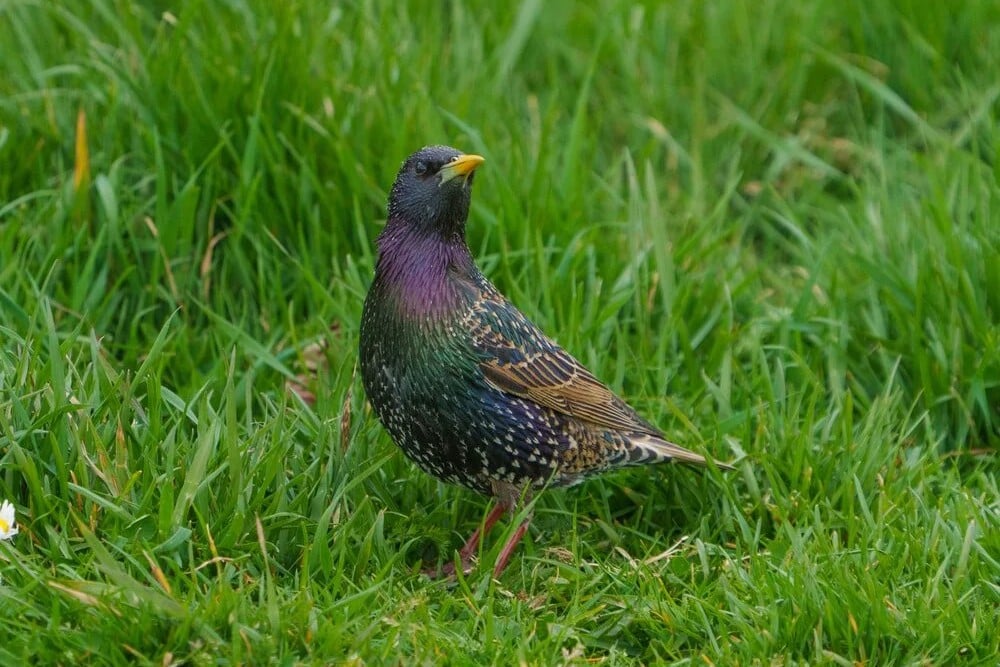
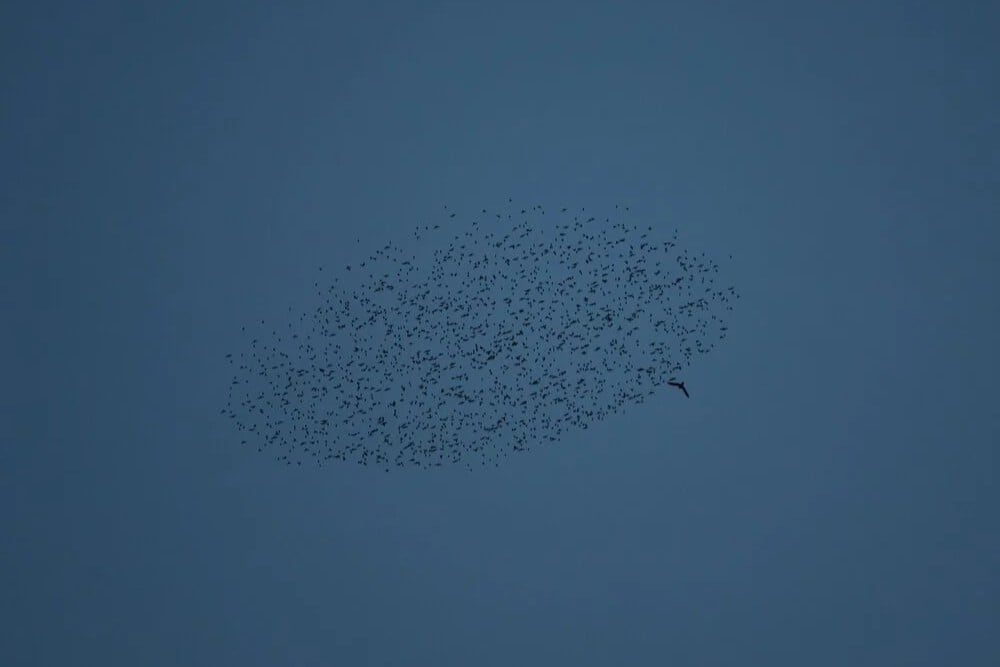
These characterful, iridescent birds roost under Brighton’s famous Palace Pier with numbers peaking in February when birds from Europe can swell the resident flock. On clear evenings the Starlings can be seen performing their iconic aerial dance over the sea, known as a murmuration. These spellbinding murmurations, sweeping and swooping between the Palace and West piers, bring joy and wonder to the many hundreds of lucky locals and visitors watching from the shore as the sun sets.
While starlings may be a familiar sight feeding in gardens and parks, they also rely heavily on the farmed grasslands of the Downs behind the urban city. Surrounded by the South Downs National Park, Brighton is home to the UK’s only urban UNESCO World Biosphere Region, known as The Living Coast, which celebrates the connection between the South Downs and the coastline, where Starlings feed, roost and flock. Efforts are underway to enlarge and enhance woodland and hedgerows across the city which will have great benefits to starlings and support their fly ways from the Downland to the coast.These landscapes connect to the ‘Waves to Weald’ 100-mile nature recovery corridor, an initiative that aims to strengthen biodiversity across the whole of the county of Sussex.

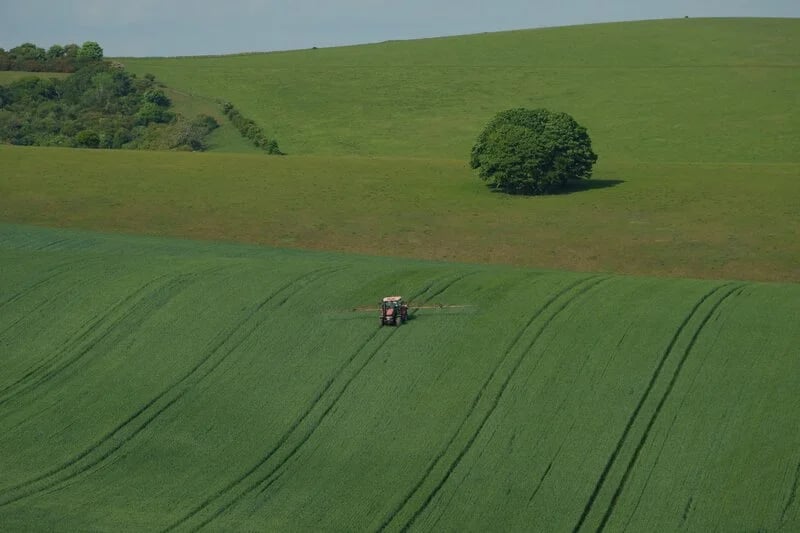
The decline of insect populations is one of the greatest threats to Starlings. This loss is visibly reflected...
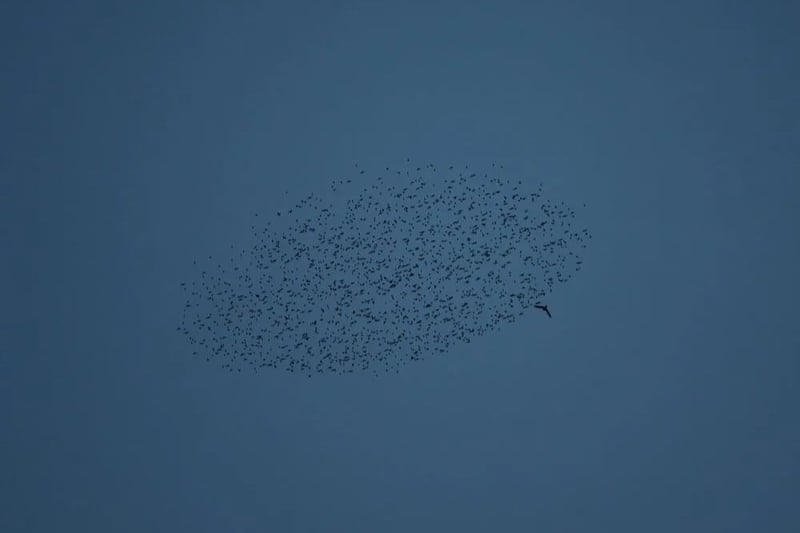
Accurate data is the foundation of conservation; without precise counts, we cannot truly understand the challenges birds face.
Steve Geliot, a local artist and Starling expert, frequently engages with the community through talks at venues like...

Exploring Brighton’s Starling murmurations, the huge glass windows of Fabrica’s East facade were transformed into a canvas for...
Every winter along Brighton's iconic seafront, a breathtaking natural spectacle unfolds in the skies above the pier.
The Common starling is listed on the IUCN Red List of Threatened Species (global) and Species of European Conservation Concern as of ‘least concern’ and also red listed on the UK birds of Conservation concern. The abundance of breeding Starlings in the UK has fallen rapidly, particularly since the early 1980s, and continues to be strongly downward. The UK breeding population has declined by 57% between 1995 and 2023. Sussex holds approximately 2.1% of the GB starling population.
Although the ecological drivers of starling population decline are poorly understood, changes in the management of pastoral farmland are thought to be partly responsible and the decline of first year over winter survival rates appear to account for this change. Other factors are catastrophic declines in insect populations, accelerated by pesticides and light pollution, and the loss of nesting opportunities in both urban and rural locations.The data suggests that starling losses mostly occur in younger birds less than one year old.
Starlings are declining in urban areas, such as Brighton, which support around 60% of the population (Robinson et al. 2005a). Urban starlings produce fewer young than rural birds (Siriwardena & Crick 2002) and urban birds are declining more strongly in the south of Britain than in the north and west (Robinson et al. 2005a). However, the reasons for the decline in urban areas are unclear and further research is needed before evidence-based conservation actions can be proposed. BTO, 2026. BirdTrends 2025: trends in numbers, breeding success and survival for UK breeding birds. www.bto.org/birdtrends
To connect the maximum number of people to the plight of starlings, the annual murmuration events along the urban coast of Brighton provide an electrifying focus on this endangered species and hopefully will raise the murmur to a shout.
Each Wildlife Heritage Area is assessed by a species or habitat expert from a reputable non-profit organisation or academic institution. The assessor represents a supporting organisation able to provide the advice, information, and contacts needed to complete the designation process.