Human-cetacean conflict solutions - Golfo Dulce
National regulation guidelines and strategies for whale and dolphin watching have been developed to ensure responsible interactions.
Golfo Dulce, Costa Rica
Witness humpback whales nurturing their calves and see playful dolphins surrounded by pristine beaches and untouched rainforest.
Golfo Dulce, Costa Rica, is a rare gem where pristine beaches meet untouched rainforest. Here, you can witness both northern and southern humpback whales nurturing their calves and see playful dolphins year-round.
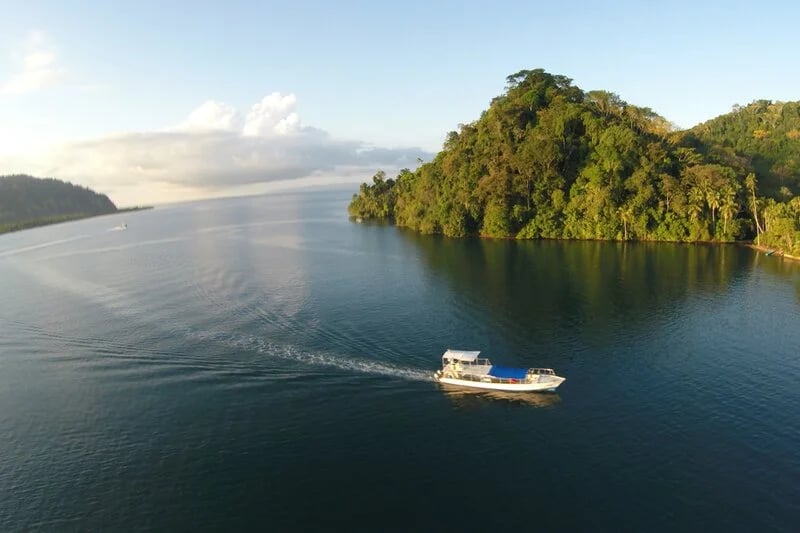
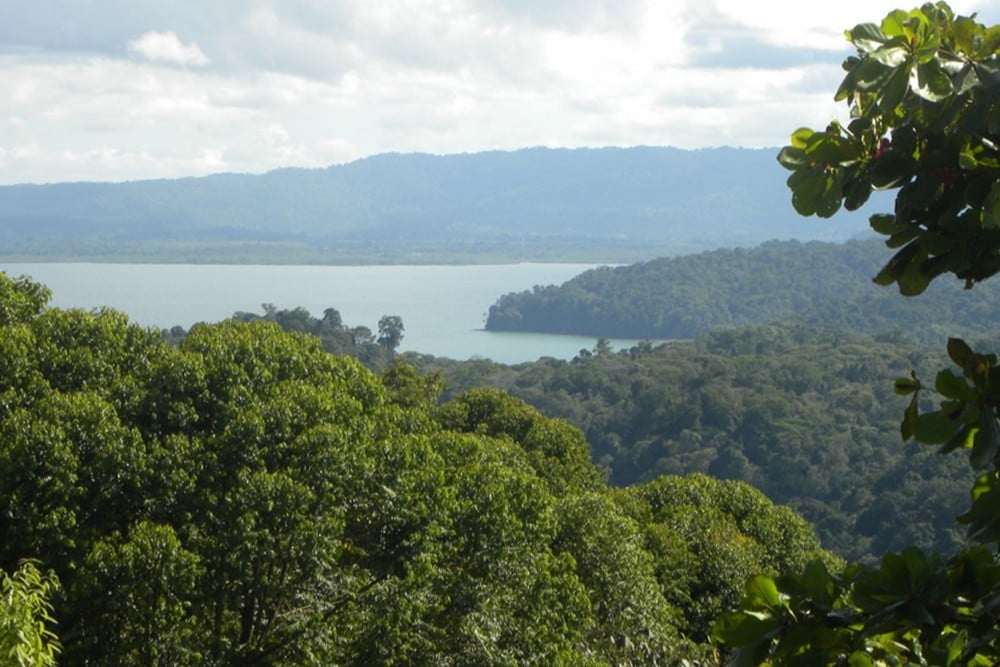
Golfo Dulce is a tropical fjord located on the Pacific coast of Costa Rica. Is one of the few areas in the world where untouched rainforest habitat meets pristine beaches, with some of the world’s most interesting biodiversity. Year-round resident dolphins and migrant calving humpback whales call these waters “home”.
Banner photo: Dave Hamilton
National regulation guidelines and strategies for whale and dolphin watching have been developed to ensure responsible interactions.
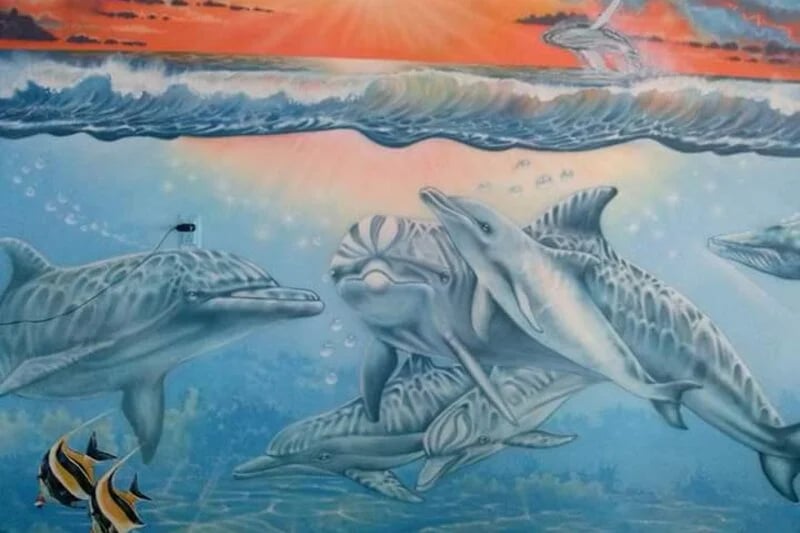
In September 2023, the first annual Whale Festival was held to celebrate cetaceans at Golfito. The events include...
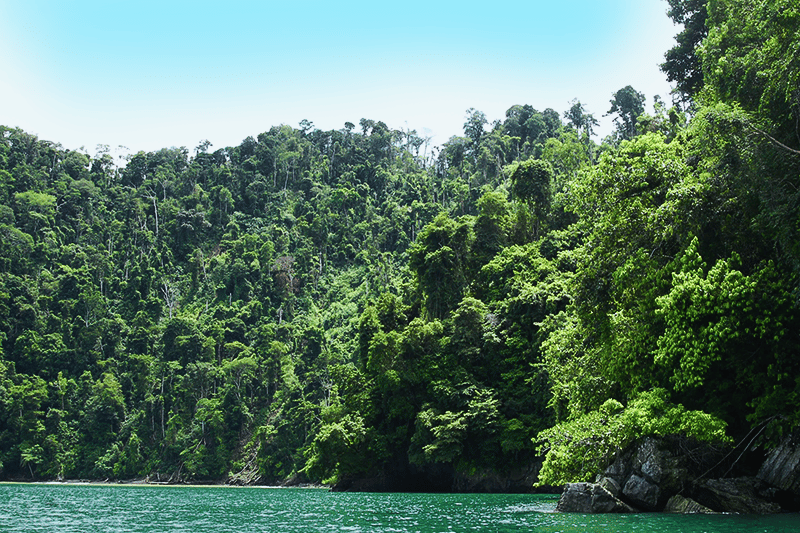
There has been significant interest in developing Marine Protected Areas and other designations in Golfo Dulce and the...
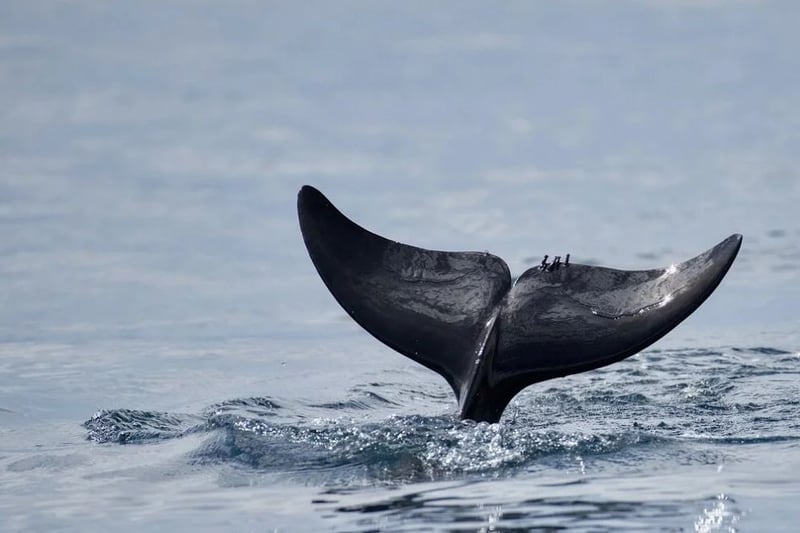
The Golfito Whale Festival is an event held in the Golfo Dulce region, one of the most biodiverse...
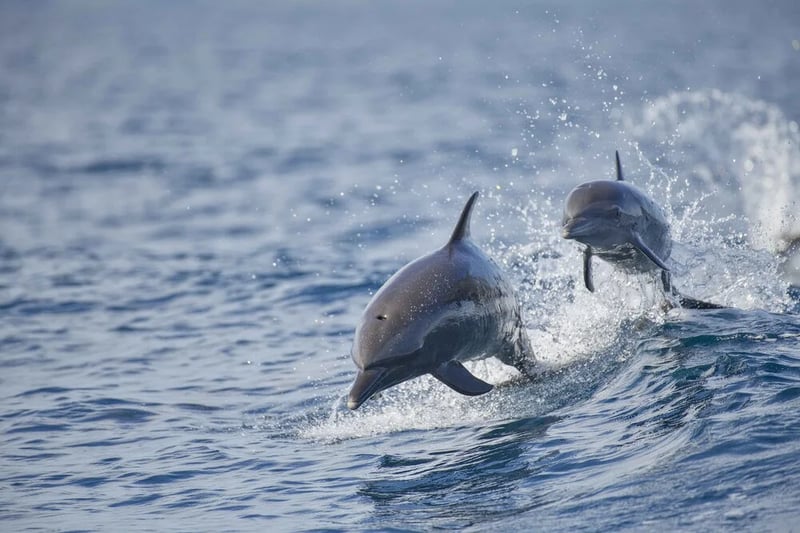
Costa Rica celebrates the longest humpback whale season in the world!
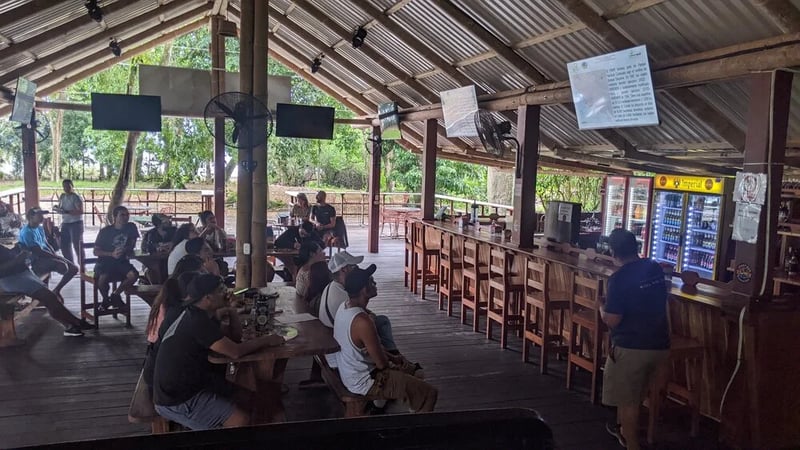
Various workshops have been held on marine life, cetacean watching regulations, conservation strategies, and the importance of cetaceans.
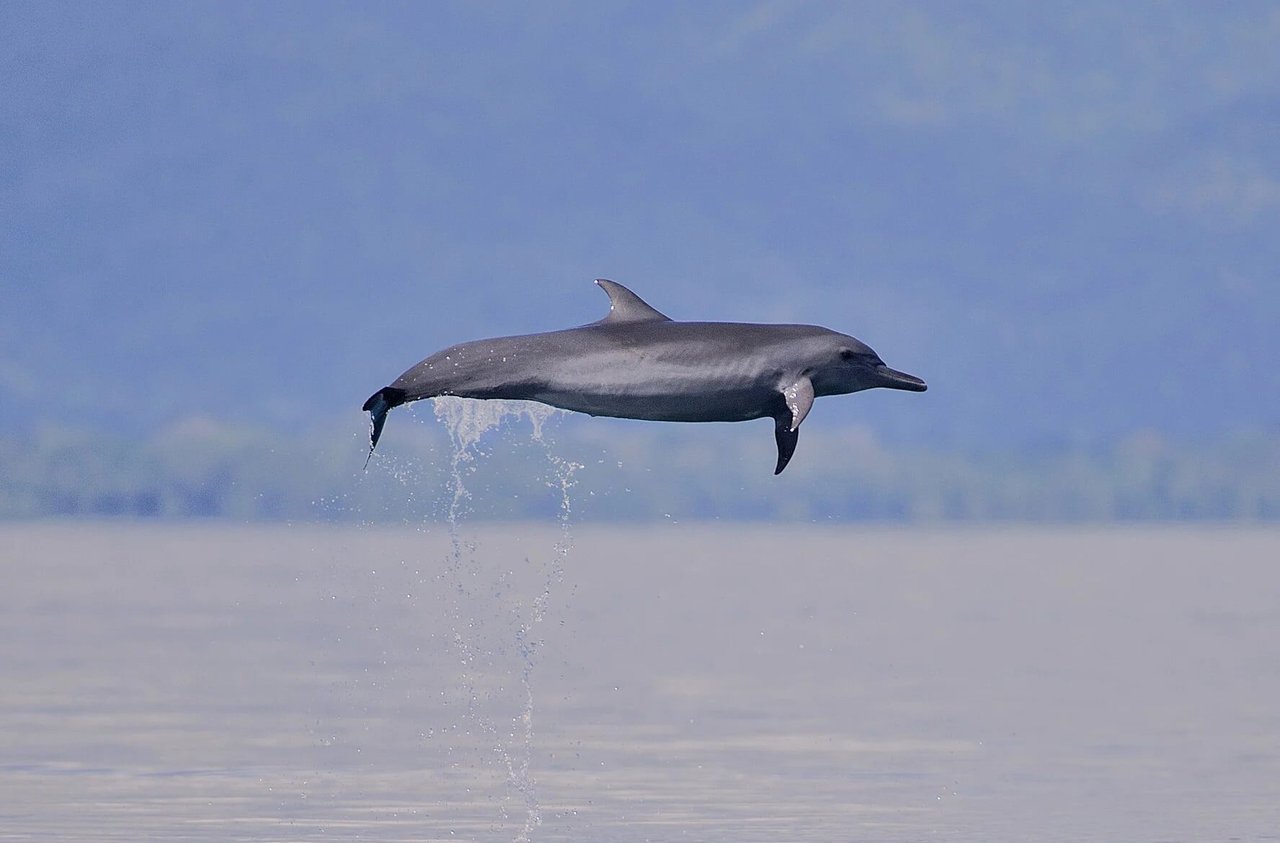
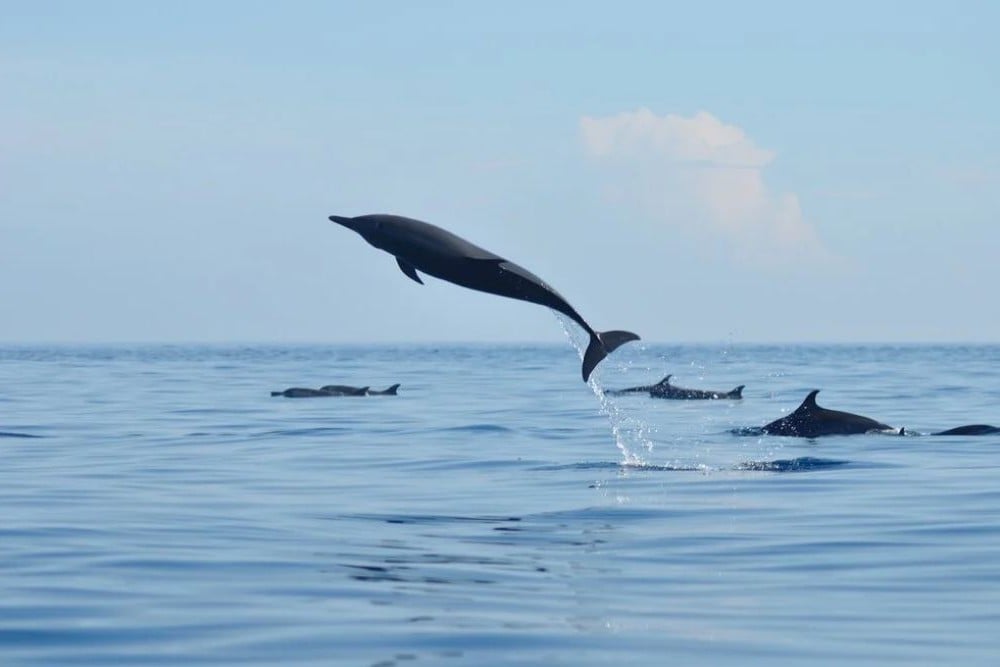
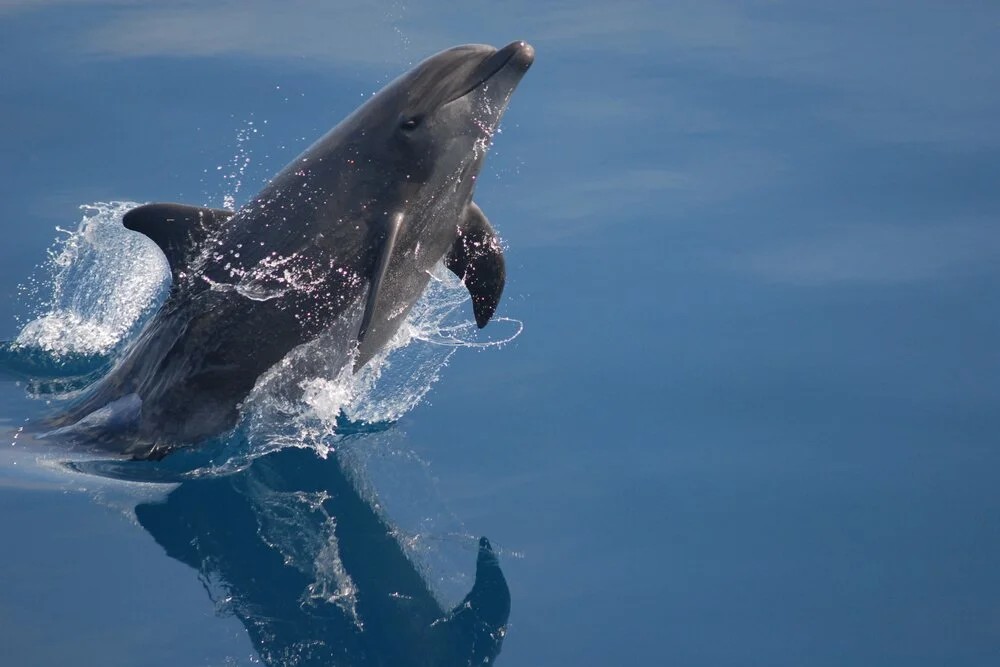
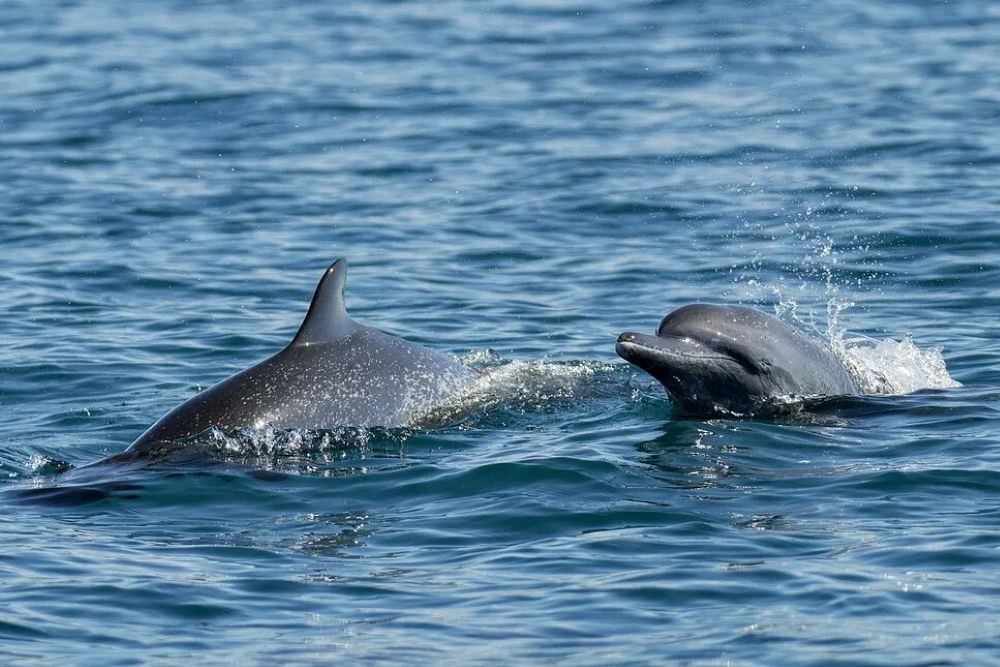
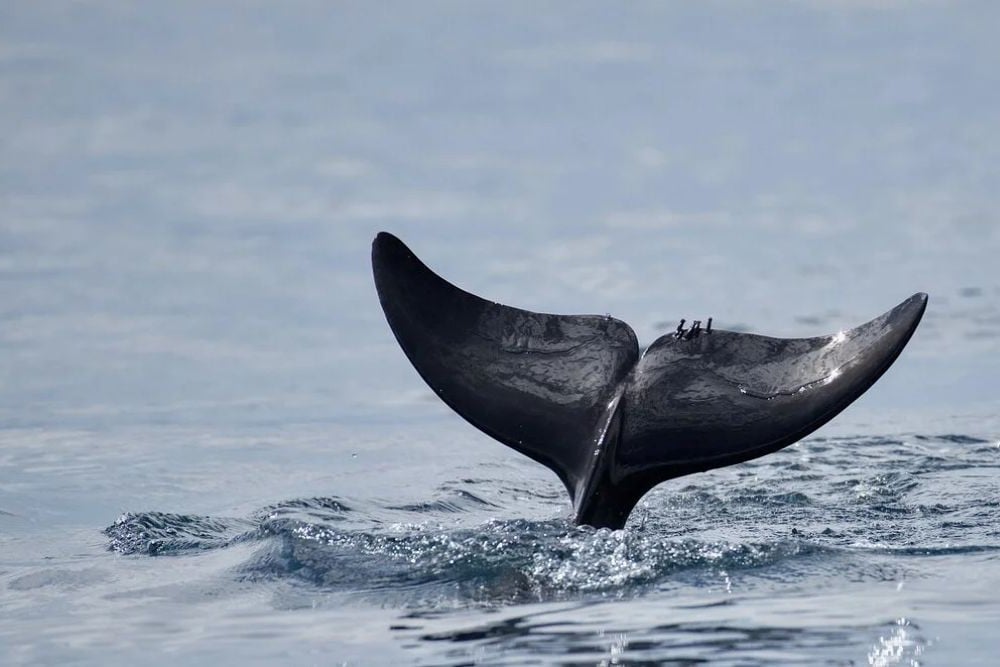
Golfo Dulce is a rich and important marine area for whales and dolphins. There are 7 cetacean species recorded, including bottlenose dolphins, pantropical spotted dolphins, false killer whales and humpback whales. Occasionally other species are seen, such as Bryde's whale, spinner dolphins and killer whales.
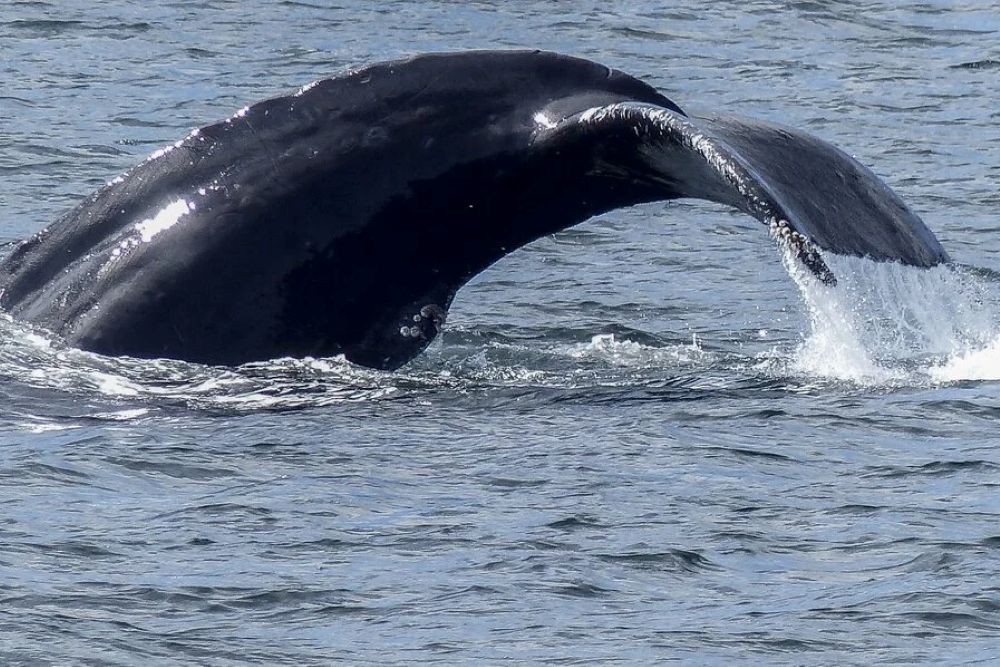
Golfo Dulce provides a suitable breeding and calving ground for Northeast and Southeast Pacific populations of humpback whales. The calving seasons run from July to November (Southern populations) and November to March (Northern populations).
There are also year-round resident and non-resident dolphin populations. Bottlenose dolphins are more likely to be seen close to shore compared to the pantropical spotted dolphins.
The threats faced by cetaceans in Golfo Dulce include global issues like climate change, in addition to localised threats such as water contamination and increasing boat traffic (noise pollution and risk of propellor strikes).
The bottlenose dolphin population is an “inshore” ecotype, with fewer than 500 individuals along the Pacific coast of Costa Rica and Panama. Numerous individuals show signs of a skin disease (lacaziosis-like disease).
Building development is also potential threat, as there is a new marina proposed in one of the hotspot areas for humpback whales.
Several local and regional programmes and projects are working to address these threats, including some carried out by research institutes, universities, or NGOs.
Each Wildlife Heritage Area is assessed by a species or habitat expert from a reputable non-profit organisation or academic institution. The assessor represents a supporting organisation able to provide the advice, information, and contacts needed to complete the designation process.
Designated by by World Cetacean Alliance