Human-cetacean conflict solutions - Hervey Bay
The Hervey Bay whale watch fleet and the community prides itself on being a site with usually premium...
Hervey Bay, Australia
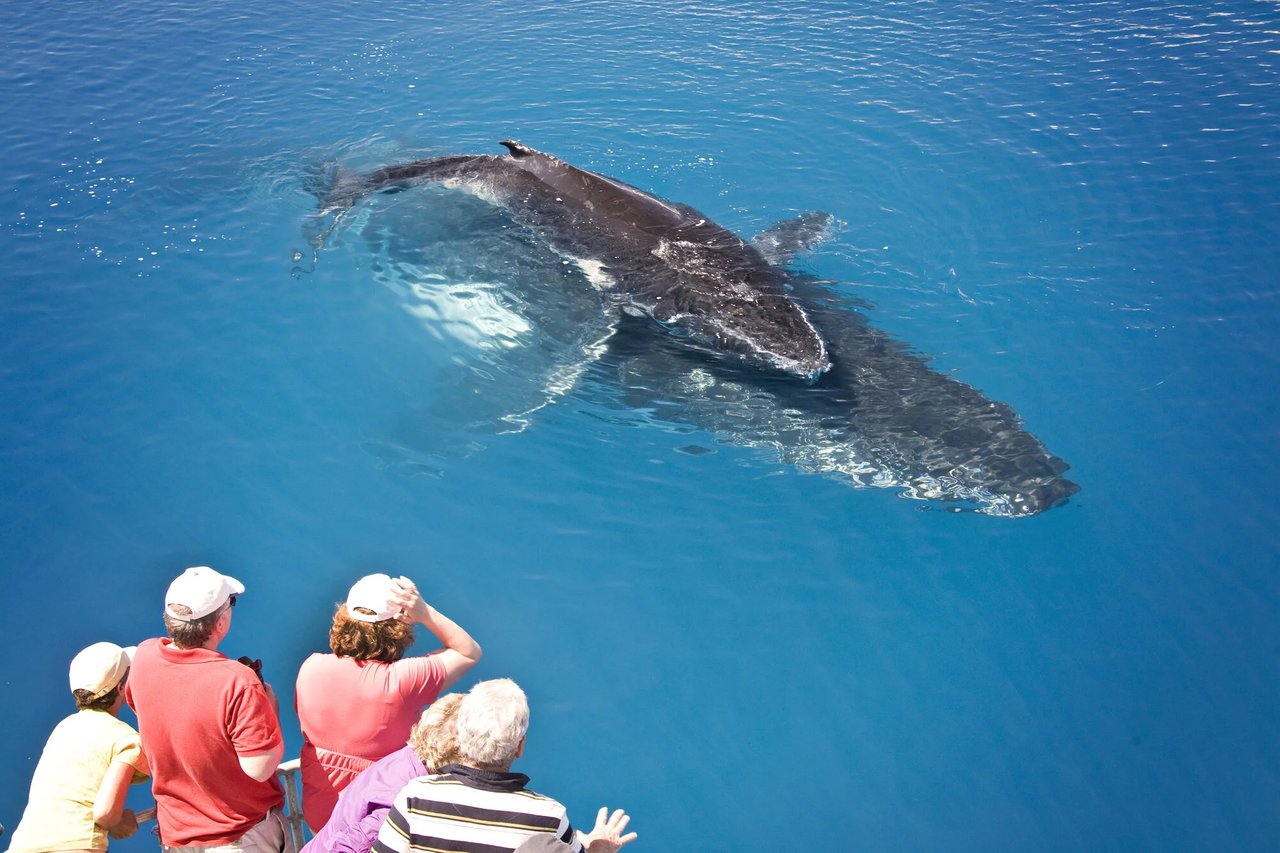
Come to Hervey Bay, Australia’s whale-watching capital, where over 20,000 humpback whales visit to rest annually.
Enjoy pristine beaches, abundant marine life, and lively whale events! Known as the Whale Watching Capital of Australia, Hervey Bay is famous for the beautiful beaches and abundant marine life along its coastline. An increasing population of Southern humpback whales use the area as a ‘whale nursery’ for resting and socialising, with multiple mothers and calves joining together before they undertake their long migration back to Antarctica.
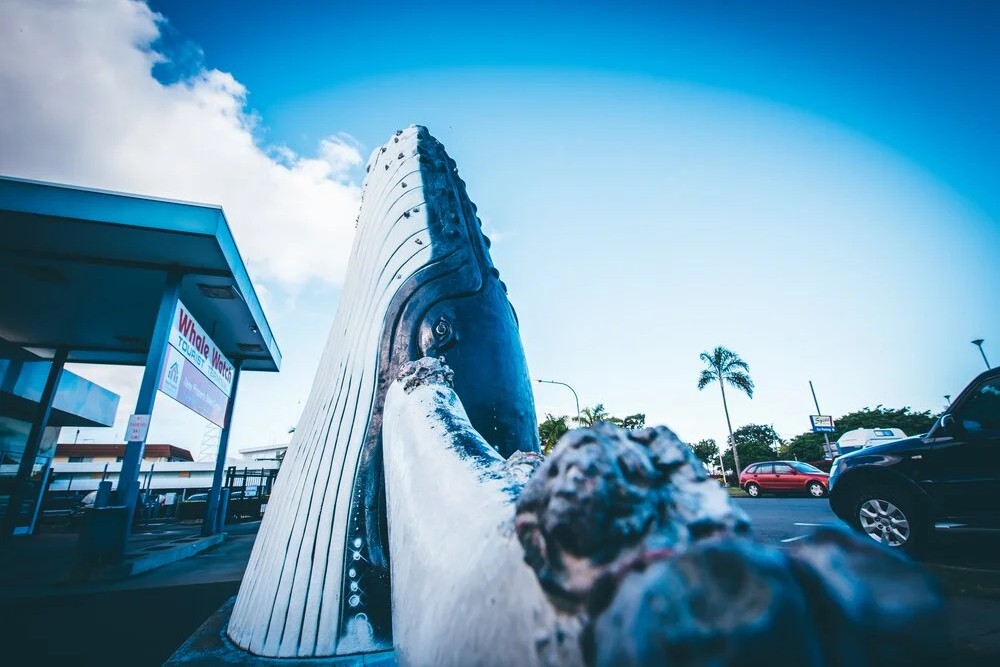
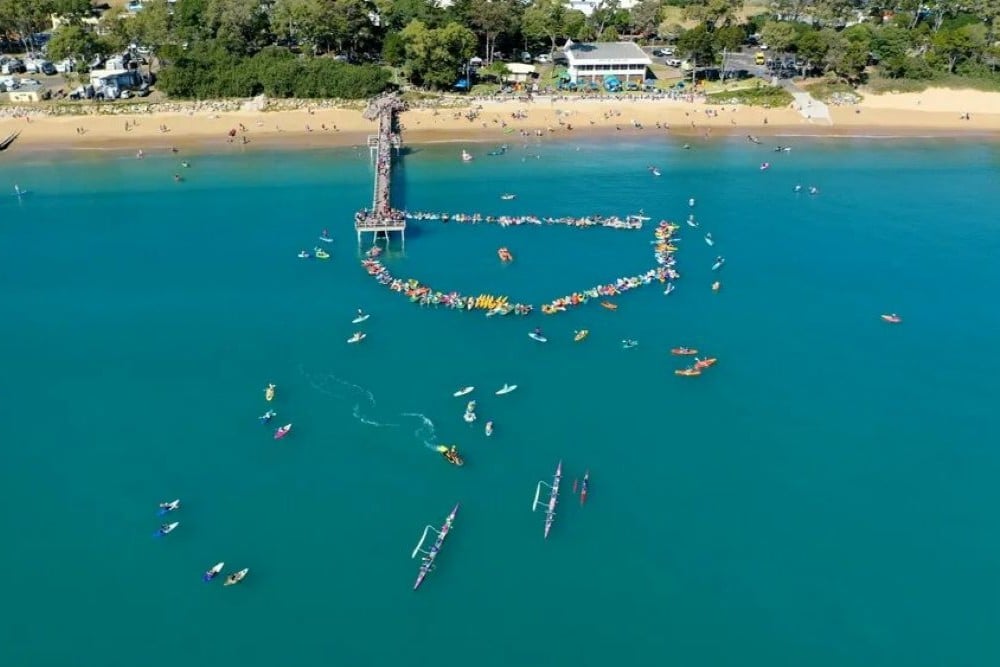
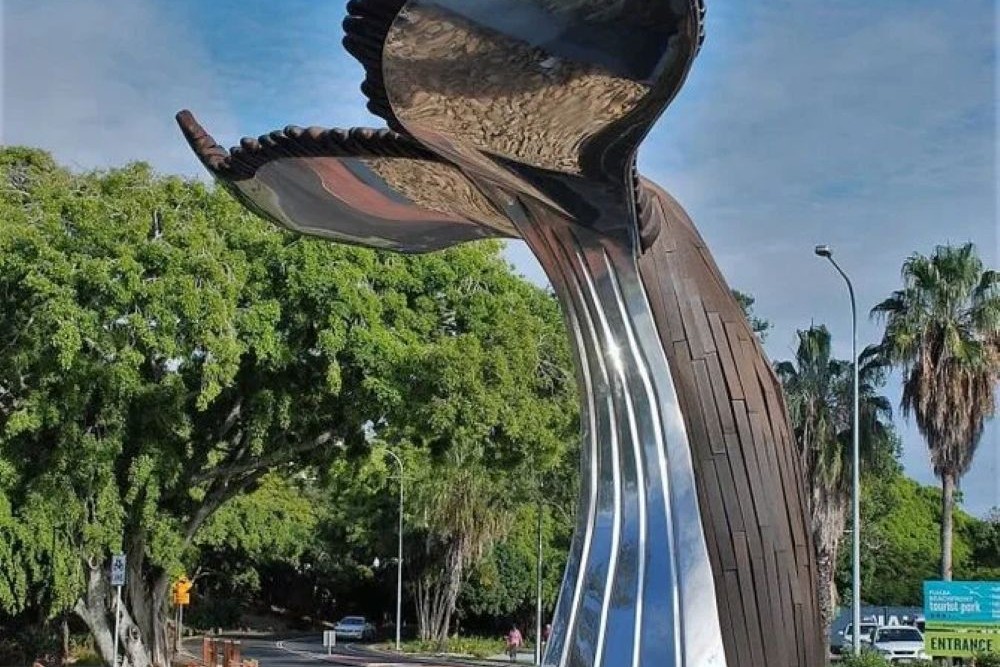
The pride and sense of connection that local residents and businesses feel with regard to whales is clear to see throughout the town.
Banner photo: Fraser Coast Tourism & Events
The Hervey Bay whale watch fleet and the community prides itself on being a site with usually premium...
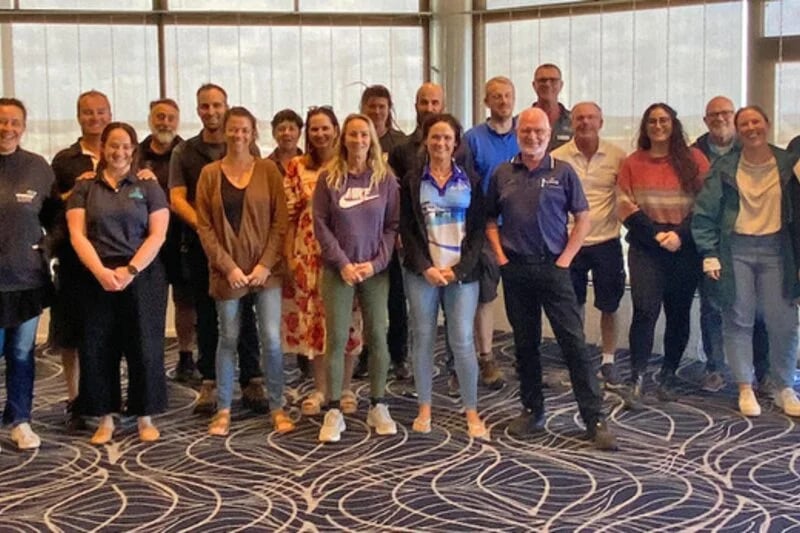
The steering committee for Hervey Bay WHA has observed that working towards and achieving accreditation has brought together...
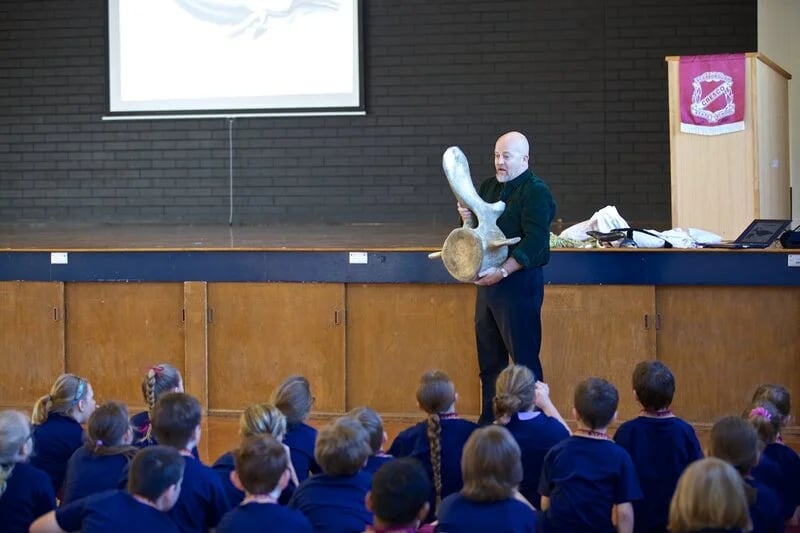
Many research organisations and universities have studied whales in Hervey Bay since the 1980s and continue to do...
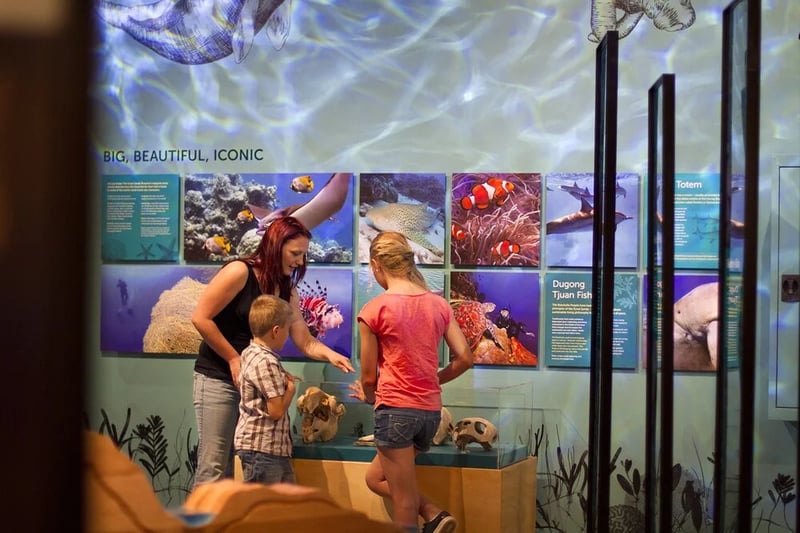
The Discovery Sphere is a family-friendly educational centre.
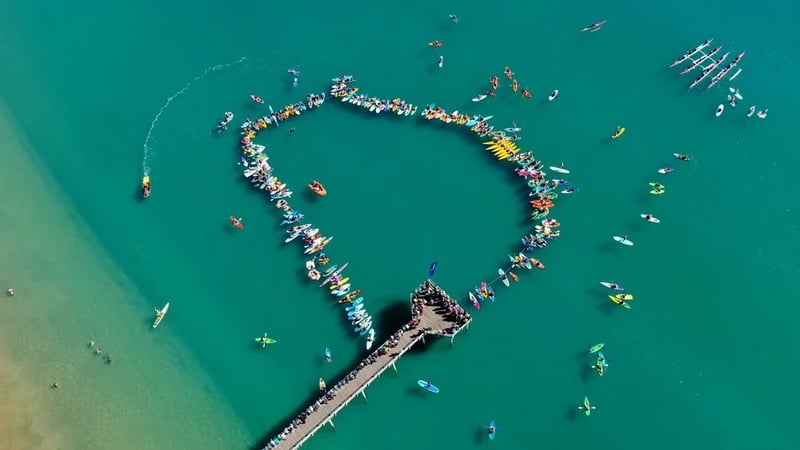
The annual Hervey Bay Whale Festival celebrates the unique relationship between the local community and the humpback whales...
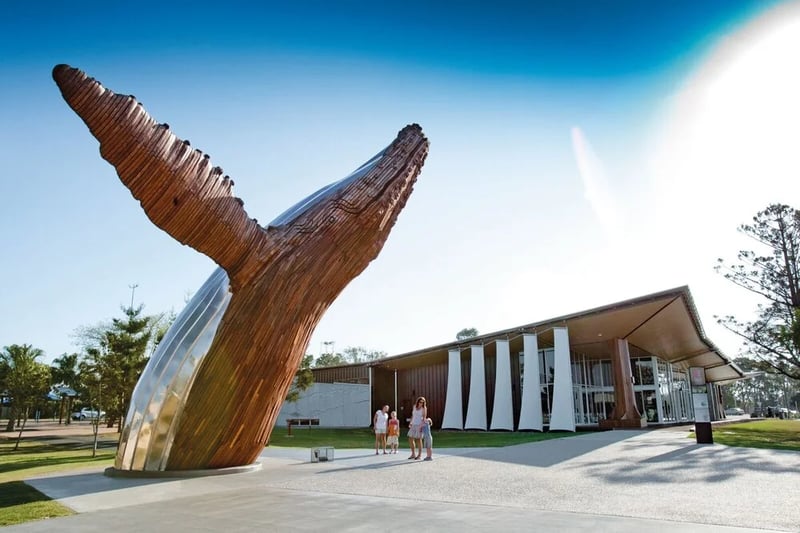
Hervey Bay Regional Gallery (HBRG) is a destination gallery.
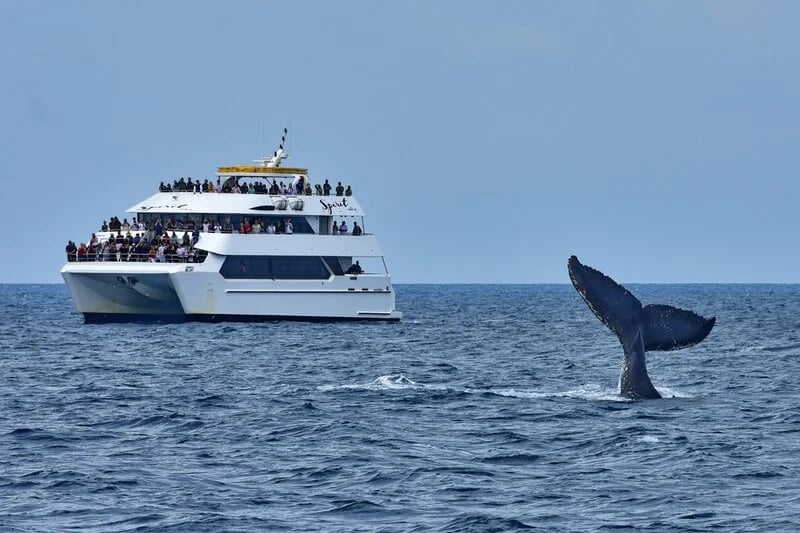
More than 20,000 humpback whales migrate through this area each year between July to November, with more than 8,000 of them using the calm waters of Hervey Bay to rest and nurse their new-born calves as they make their return trip to Antarctica.
The area also hosts various other cetaceans, including the endangered Australian humpback dolphin, bottlenose dolphins, minke whales, false killer whales and increased sightings of Southern right whales.
The threats faced by cetaceans in Hervey Bay include global issues like climate change that can affect the habitats and food sources of cetaceans. These changes may disrupt migration patterns.
In addition, localised threats such as increasing recreational boats and vessel strikes can result in serious injuries or fatalities.
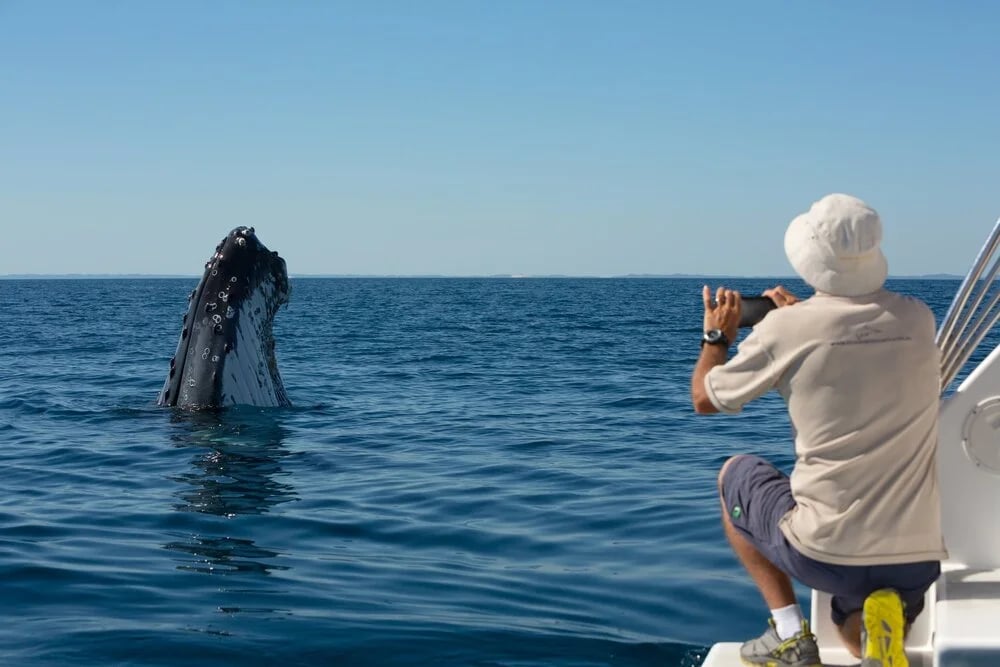
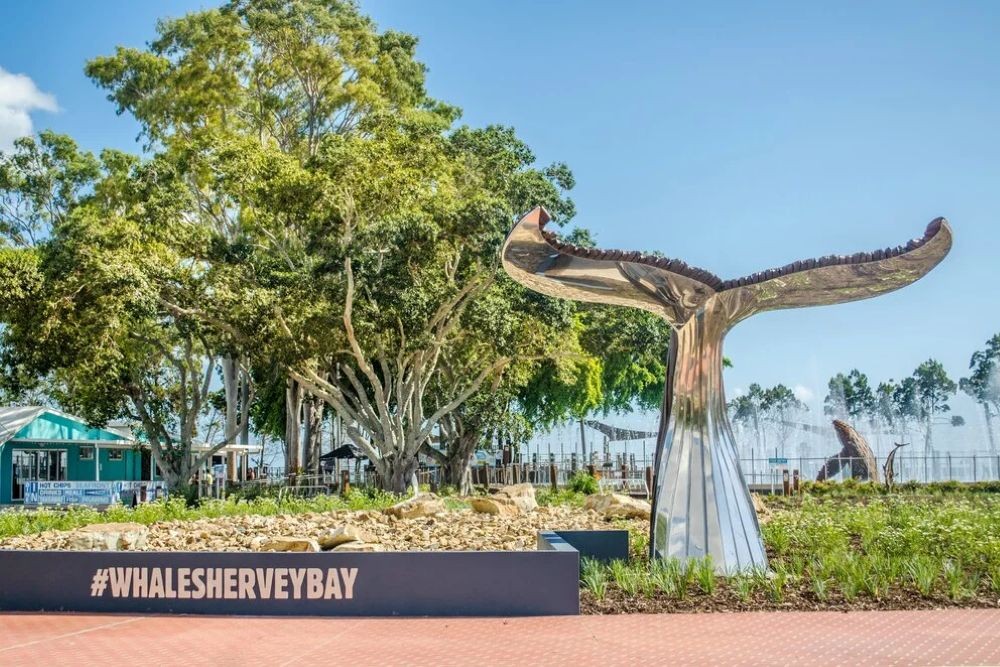
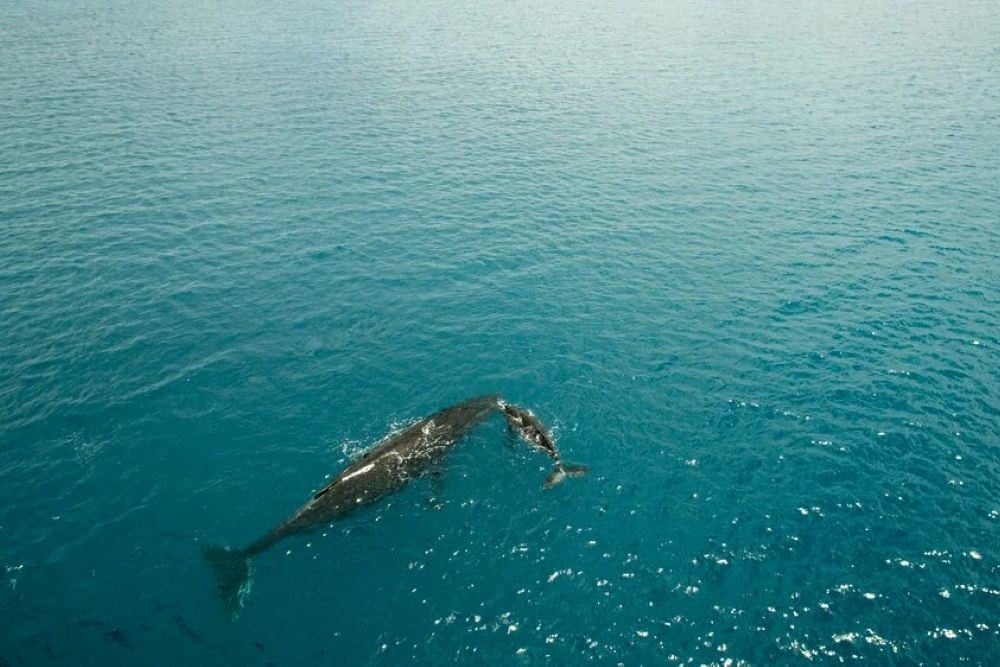
Each Wildlife Heritage Area is assessed by a species or habitat expert from a reputable non-profit organisation or academic institution. The assessor represents a supporting organisation able to provide the advice, information, and contacts needed to complete the designation process.
Designated by by World Cetacean Alliance