Saving Lewes' Swifts: A community taking flight
Swifts have graced the skies of Lewes for generations, filling summer evenings with their joyful screeches and breathtaking...
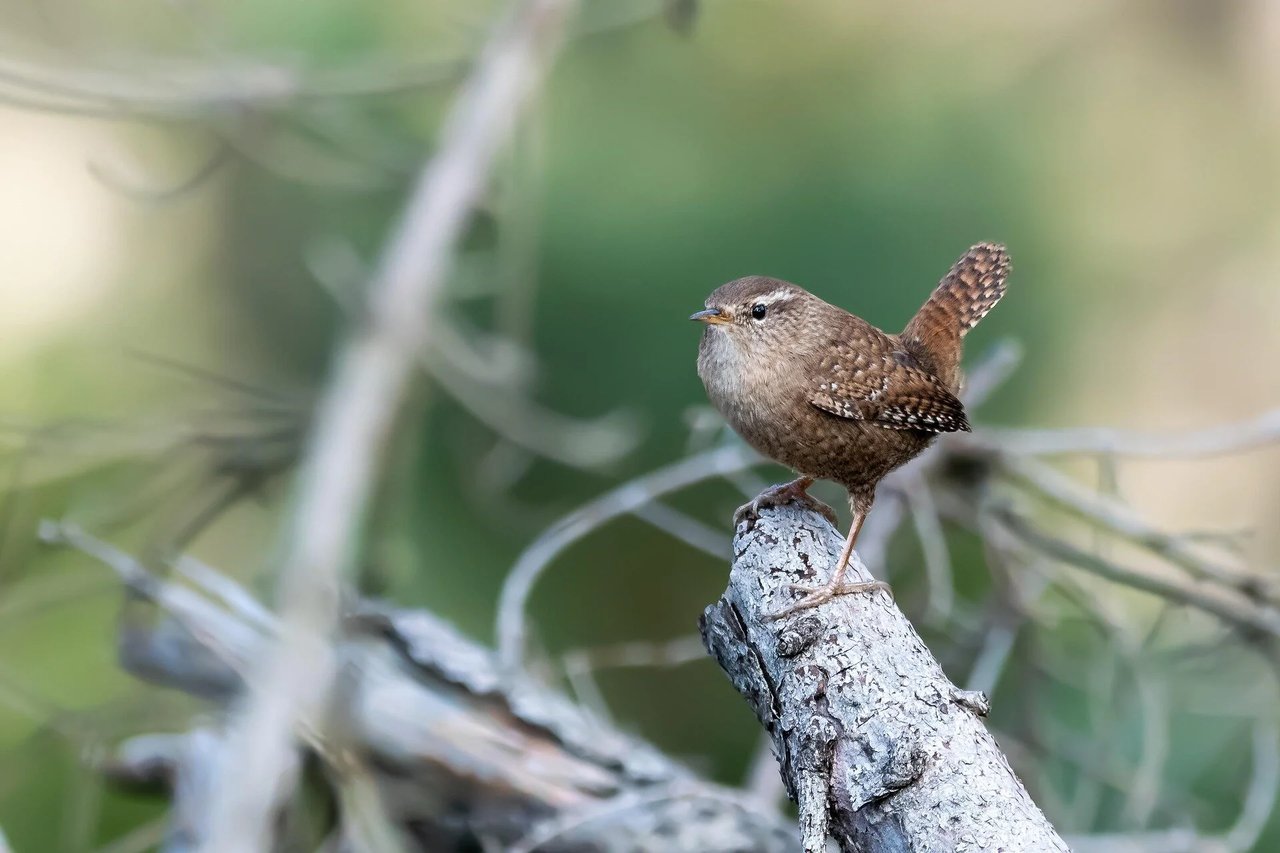
East Sussex, UK
Discover the People’s Park for Nature—a community-powered haven where wildlife thrives! Reconnect with nature across a patchwork of wild spaces and meet the people creating a wilder future for us all.
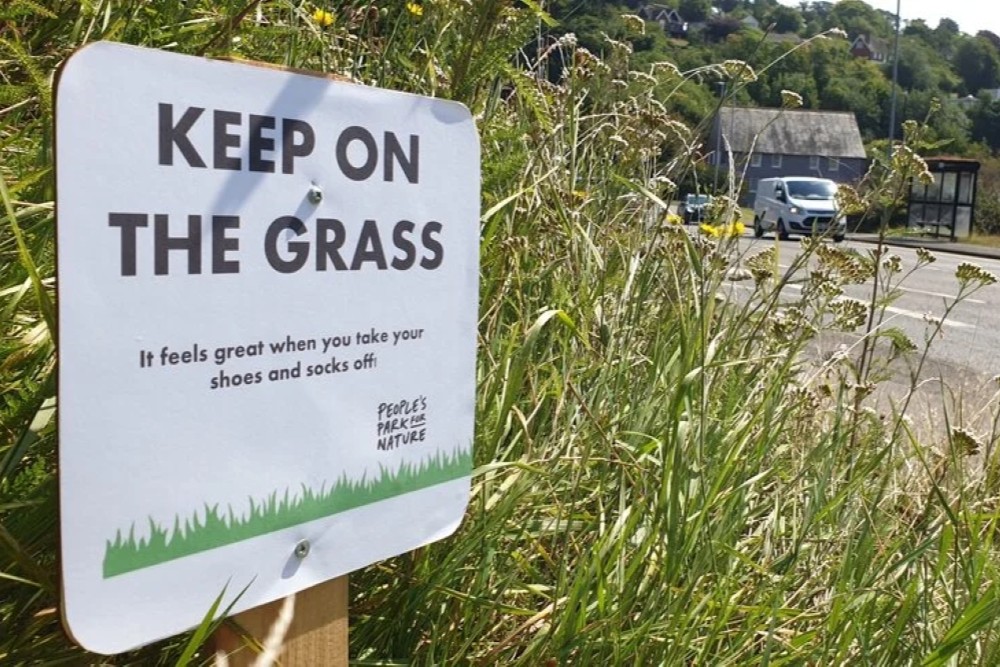
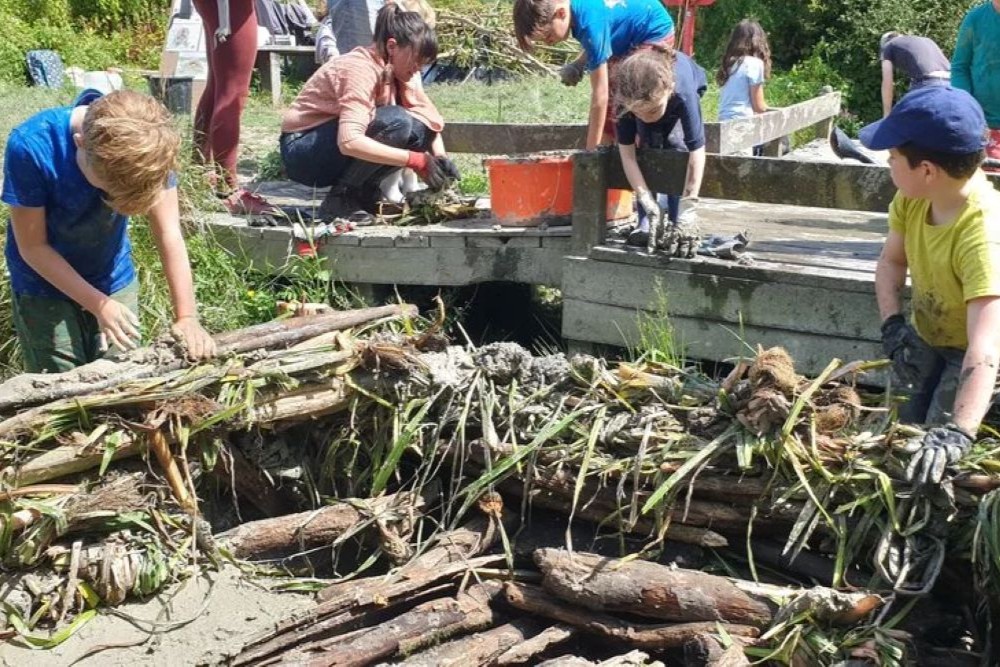
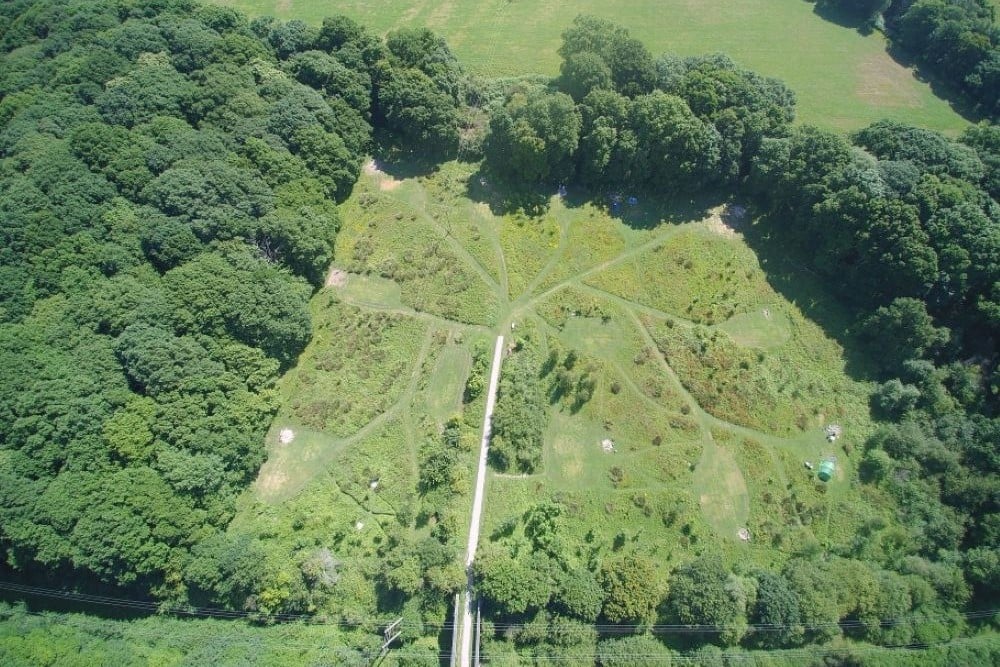
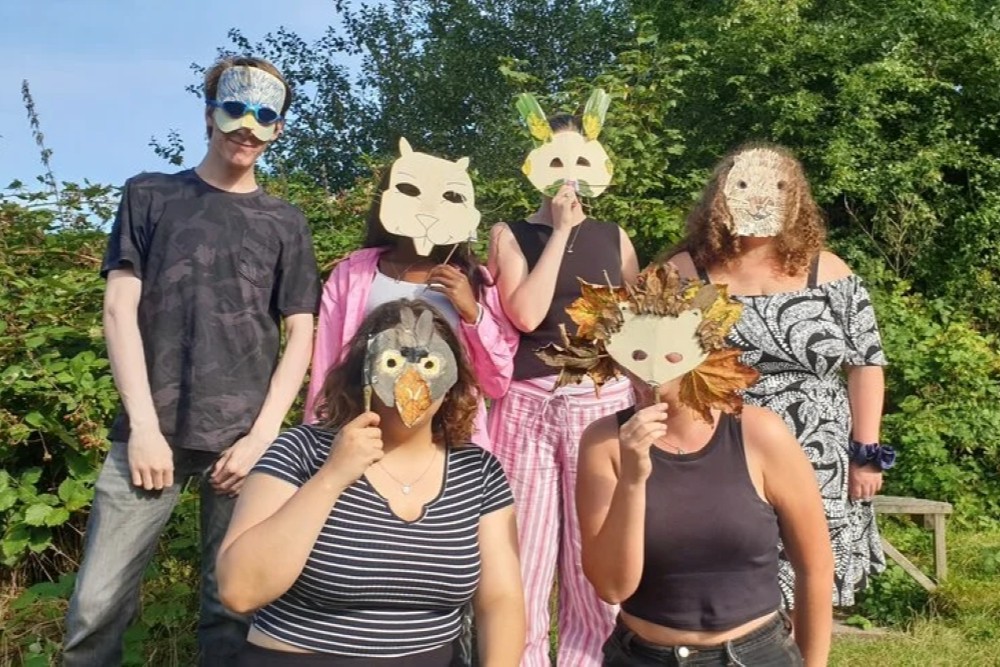
The People’s Park for Nature (PPN) in the lower Ouse Valley, East Sussex, is a network of interconnected spaces managed by or for local communities to restore nature and foster a deeper connection with it. The Park incorporates a patchwork of spaces, including community and privately owned land, nature reserves, farmland, playing fields, gardens, ponds, and allotments, all committed to our collective values of nature restoration and community engagement. The PPN is a culturally driven, positive and inclusive movement of people focusing on creative engagement, with locations full of art and activities that ensure that visitors gain a deeper connection with nature.

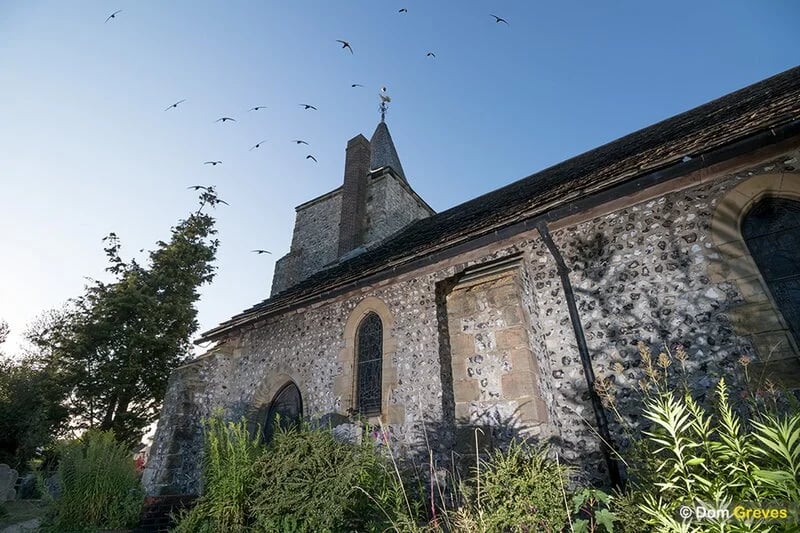
Swifts have graced the skies of Lewes for generations, filling summer evenings with their joyful screeches and breathtaking...
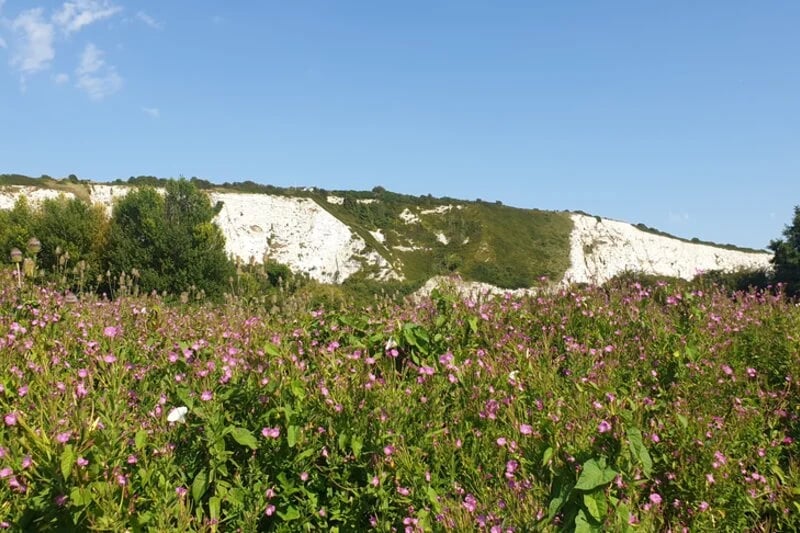
In the heart of Lewes, nestled between the hustle and bustle of everyday life, there exists a place...
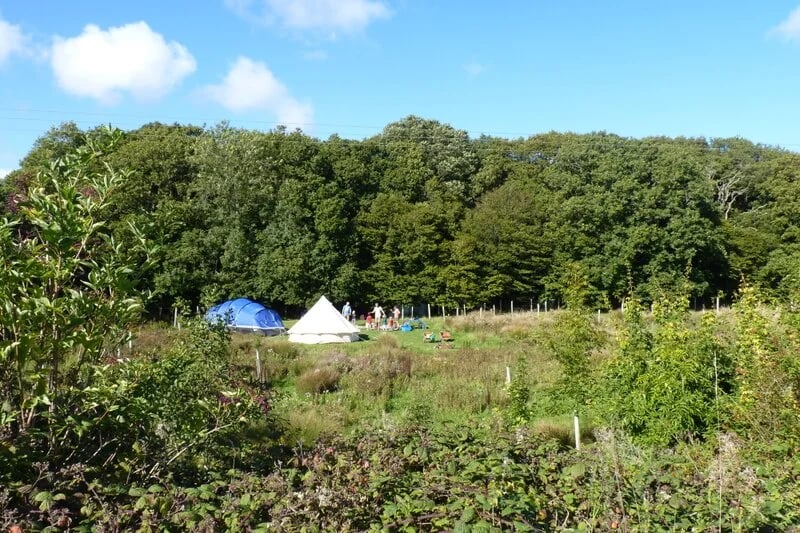
In the heart of Sussex, tucked away near Lewes, lies a place where nature thrives and people reconnect...
Monthly Volunteering Day First Sunday of every month 10am-lunchtime Carpenter’s Hut, Laughton Greenwood.
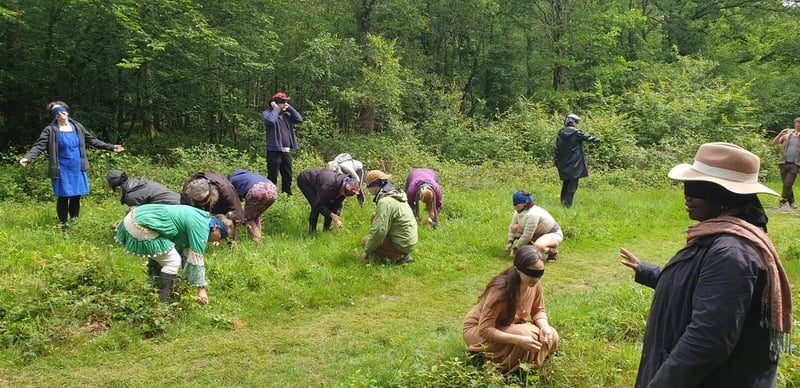
The Secret Wildlife Festival is a magical weekend of nature, creativity, and adventure taking place at the Secret...
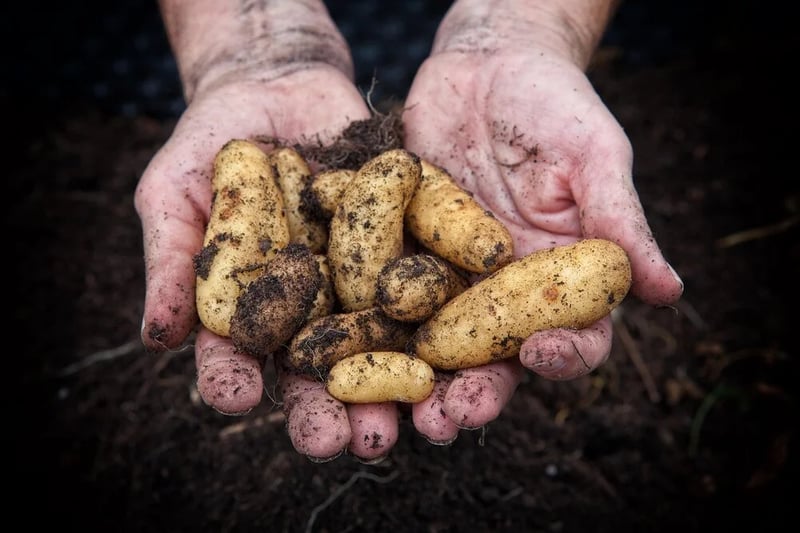
The garden is currently open for volunteer mornings on Tuesdays and Fridays from 10 am to 12 pm...
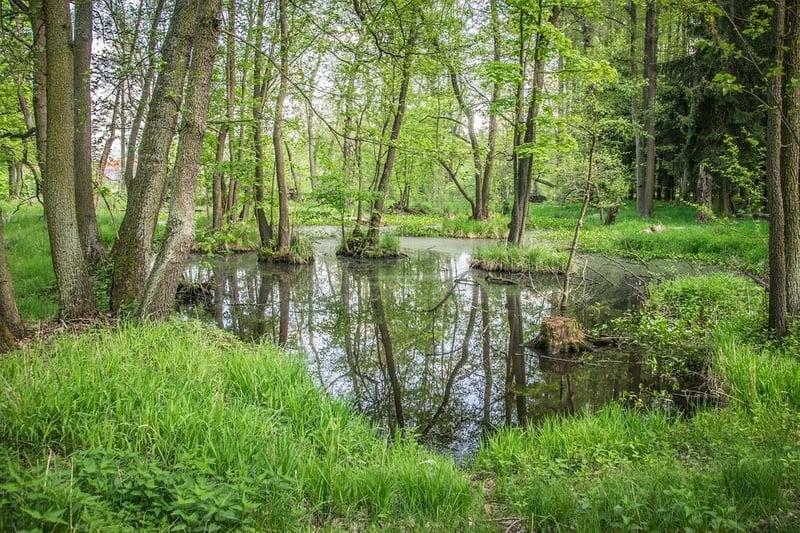
The People’s Park for Nature is a mosaic of wildlife gems set in the biodiverse and historically rich lower Ouse Valley. This landscape of wetlands, rivers, and floodplains teems with life, from darting kingfishers to elusive sea trout. These wetlands also reduce flooding and purify water.
The River Ouse acts as a vital wildlife corridor, linking grasslands, woodlands, and scrub, while nearby coastal habitats provide refuge for migratory birds. Shaped by centuries of traditional practices, this landscape offers endless opportunities for nature restoration, rewilding, and community-driven nature projects that will drive a nature-based economy benefitting local people.
According to the State of Nature Report 2023, across the UK species studied have declined on average by 19% since 1970. Nearly one in six species are threatened with extinction in Great Britain. The report states that changes in the way we manage our land for farming, and climate change were the biggest causes of wildlife decline on our land, rivers and lakes across the country and this is likely to have had the biggest impact across the lower Ouse Valley, around 70% of which is farmland. Industrial and housing development are also major threats to an area which is already densely populated.
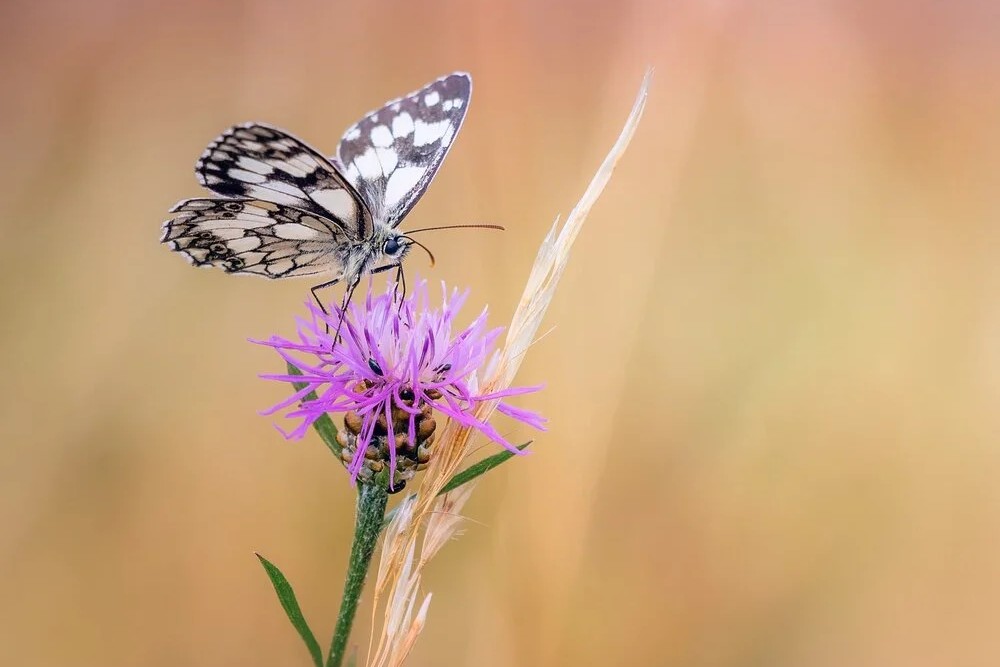
Each Wildlife Heritage Area is assessed by a species or habitat expert from a reputable non-profit organisation or academic institution. The assessor represents a supporting organisation able to provide the advice, information, and contacts needed to complete the designation process.
Supported by World Animal Protection