People's Park for Nature Wildlife Heritage Area
Information
Description
The People’s Park for Nature (PPN) is a network of interconnected spaces managed by or for local communities to restore nature and foster a deeper connection with it. The Park will incorporate a patchwork of spaces, including community and privately owned land, nature reserves, farmland, playing fields, gardens, ponds, office rooftops and allotments, all committed to our collective values of nature restoration and community engagement. One of the most important aspects of the Park will be a focus on creative engagement, with locations full of art and activities that celebrate nature and ensure that visitors gain a deeper connection to the natural world.
Motivation
We believe that the People's Park for Nature reflects the values of Wildlife Heritage Areas. Our Park is created by and for the people with nature restoration and protection at its heart. We want to spread the word about the work that we do and encourage other communities to come together to protect their natural heritage.
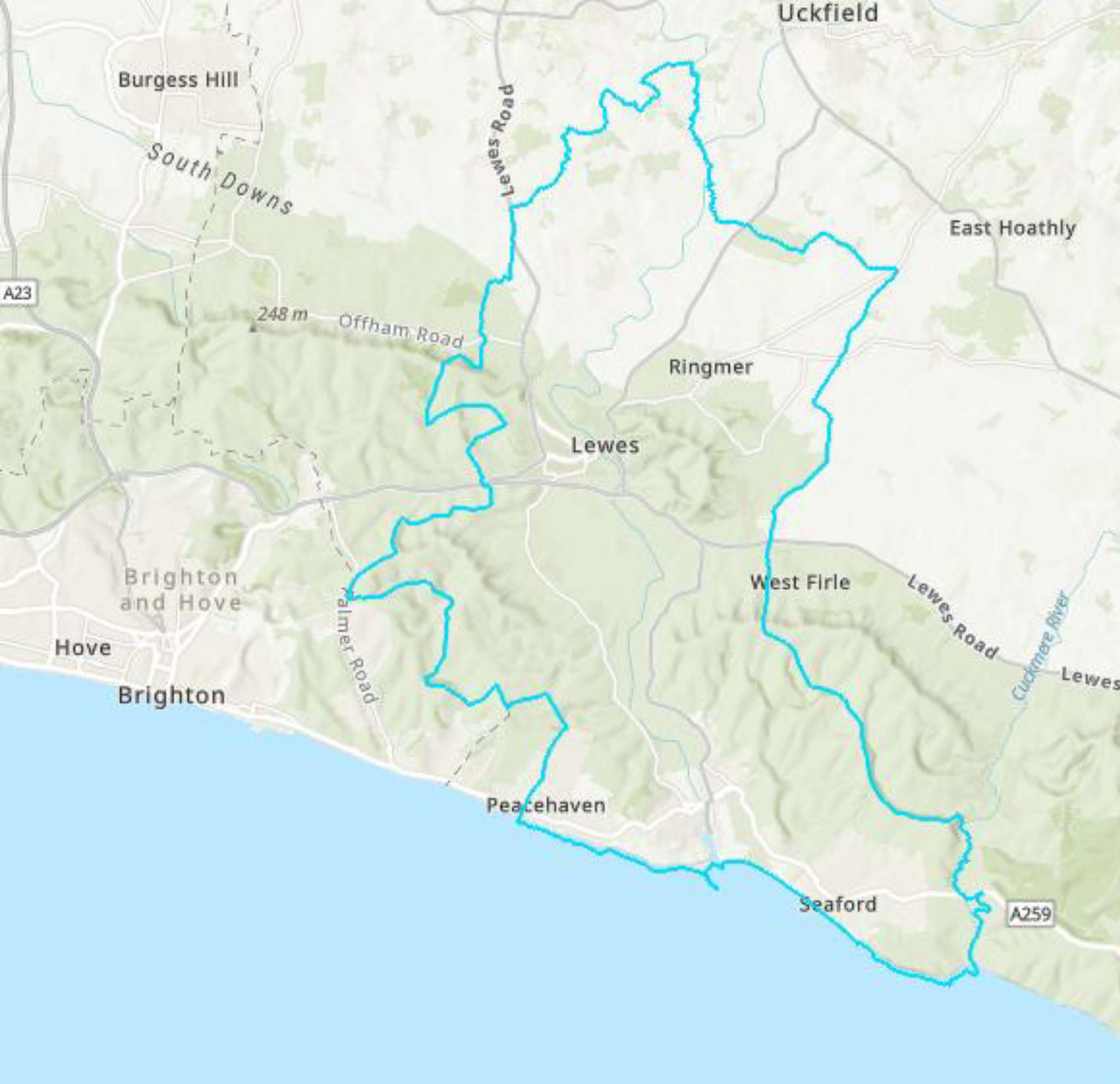
Boundary map
Species or habitats
The People’s Park for Nature is a mosaic of wildlife gems set in the biodiverse and historically rich lower Ouse Valley. This landscape of wetlands, rivers, and floodplains teems with life, from darting kingfishers to elusive sea trout. These wetlands also reduce flooding and purify water.
The River Ouse acts as a vital wildlife corridor, linking grasslands, woodlands, and scrub, while nearby coastal habitats provide refuge for migratory birds. Shaped by centuries of traditional practices, this landscape offers endless opportunities for nature restoration, rewilding, and community-driven nature projects that will drive a nature-based economy benefitting local people.
Overview
Title: People's Park for Nature Wildlife Heritage Area
Level: Candidate
Name/location: People's Park for Nature
Name/habitat/group: Grassland
Country: Great Britain
Approximate size (sq km): 1 (but growing fast)
Criteria
1. Cultural importance of wildlife
- The Wilder Ways Festival (2023) is one example of a local nature-focused event (PDF)
- Monthly Climate Hub newsletter full of nature and sustainability focused initiatives and events (PDF)
- Seedy Saturday - annual event and get together for all nature focused grass roots organisations (PDF)
- Advocating for Nature Training Course - 2024 at Lewes Railway Land Wildlife Trust (PDF)
- A People's Park for Nature member receives a certificate for their commitment to nature restoration (jpg)
- These ideas came from our community as part of a consultation process (PDF)
- This activity to reimagine how we engage with local communities at events has been approved (PDF)
- Survey form asking people to dream of their wilder world - on PPN website (PDF)
- Grown in Lewes Collection of stories by PPN member Ruth Thomson (jpg)
2. Respectful human-wildlife coexistence
- Much of the PPN area falls within the South Downs National Park (jpg)
- OVCA - Ouse Valley Community Action funded grass roots nature, climate and community projects (PDF)
- Our monthly newsletter sharing news and info about protecting wildlife through our community (PDF)
- Links to some of the orgs who are members of the PPN (PDF)
- Advice on the wilder future for lower Ouse Valley that our nature-connected community wants (PDF)
- This meeting kick started the concept of the PPN through its predecessor, the Wild Ouse Network (PDF)
- PPN Articles of Association - all members have voting rights with equity in the PPN (PDF)
- We avoid conflict through a positive and inclusive approach. People only take part if they want to (PDF)
- Example of one of our free beaver, boar and wolf community rewilding help sheets (RLWT / OVCA) (PDF)
- Nature is at the heart of everything in this community run project in the PPN (PDF)
- Nine bioacoustic monitoring boxes record birds and bats across 8 PPN sites in May 2025 (PDF)
- Biodiversity Opportunity Areas (zones 44-47). Sussex Biodiversity Partnership (PDF)

4. Steering committee
Management plan
Number of individuals, organisations, and businesses working together: 300
Number of people employed in wildlife-related activities: 50
Estimated economic contribution to the local economy: £1,850,000