Conservation success at San Antonio
Dénia has become a key cetacean observation site, largely thanks to the Marine Reserve of Cabo de San...
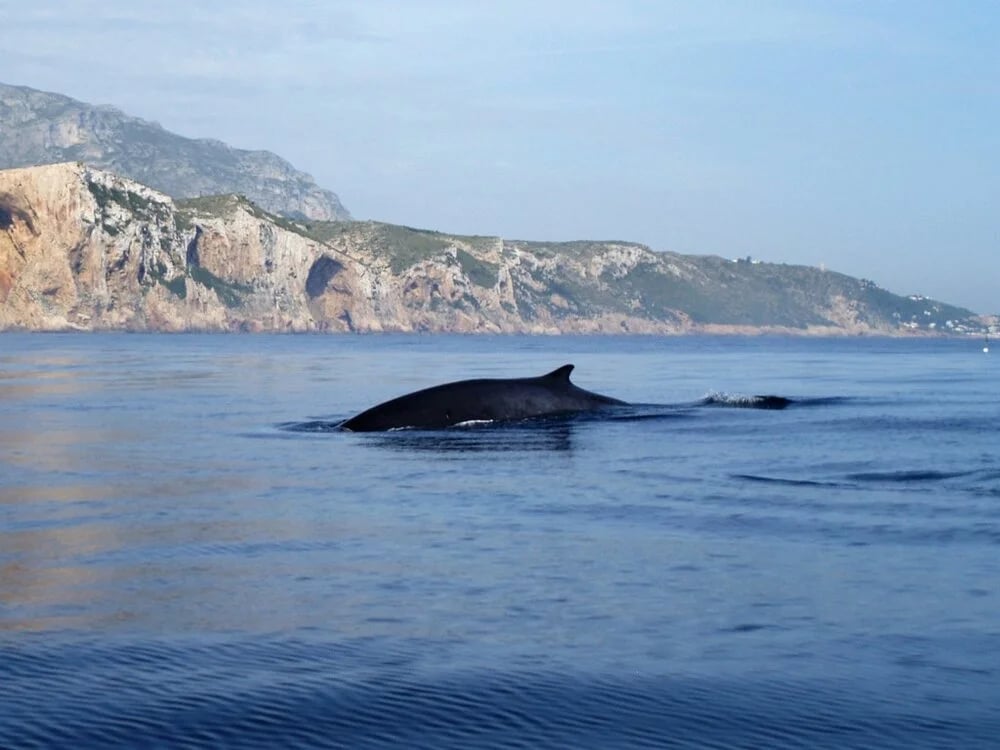
San Antonio, Spain
Located within the Marine Reserve of Cabo de San Antonio, and a sanctuary for the majestic fin whales that migrate through these waters.
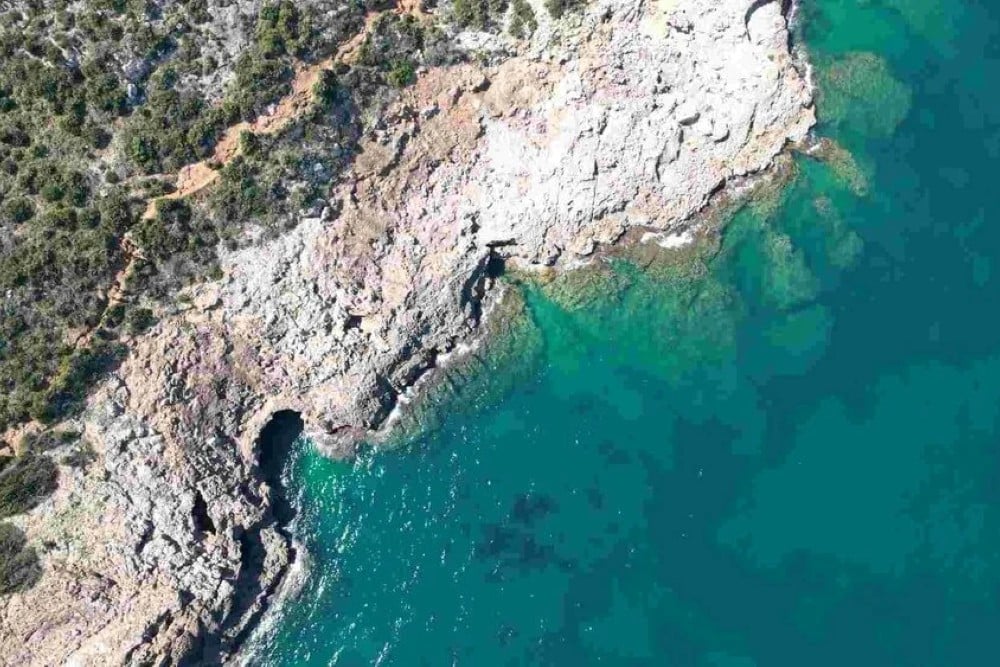
The San Antonio Whale Heritage Area, located within the stunning Marine Reserve of Cabo de San Antonio in the Mediterranean, is a sanctuary for cetaceans, particularly the majestic fin whales that migrate through these waters. This unique area, nestled between the vibrant cliffs of the Montgó Natural Park, showcases pristine marine habitats teeming with diverse wildlife. Local communities, including the town of Denia, are deeply connected to the sea, fostering sustainable tourism and education programs. Visitors can experience ethical whale-watching, explore rich ecosystems, and engage with conservation efforts to protect this incredible marine biodiversity.

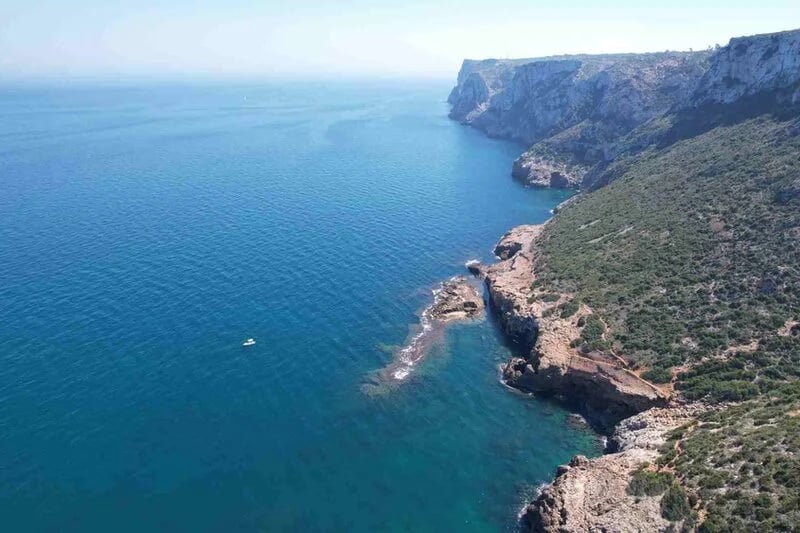
Dénia has become a key cetacean observation site, largely thanks to the Marine Reserve of Cabo de San...
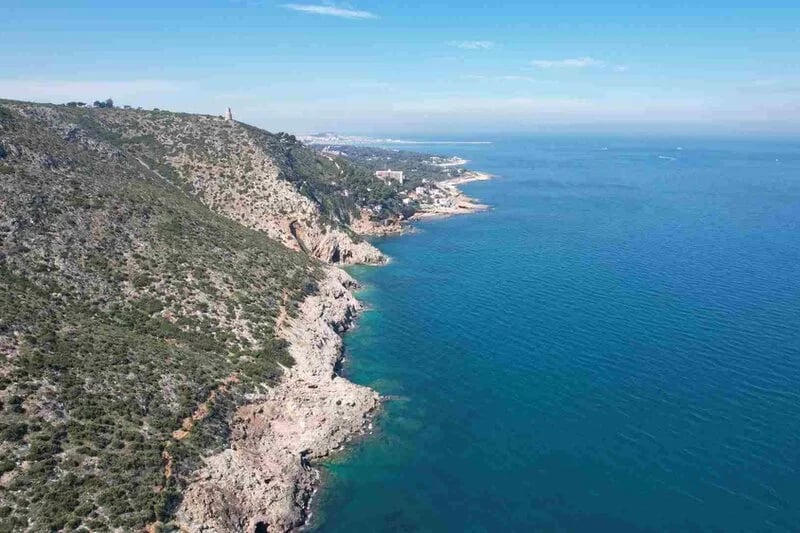
The headland of Cabo de San Antonio has been inhabited and used strategically since ancient times.
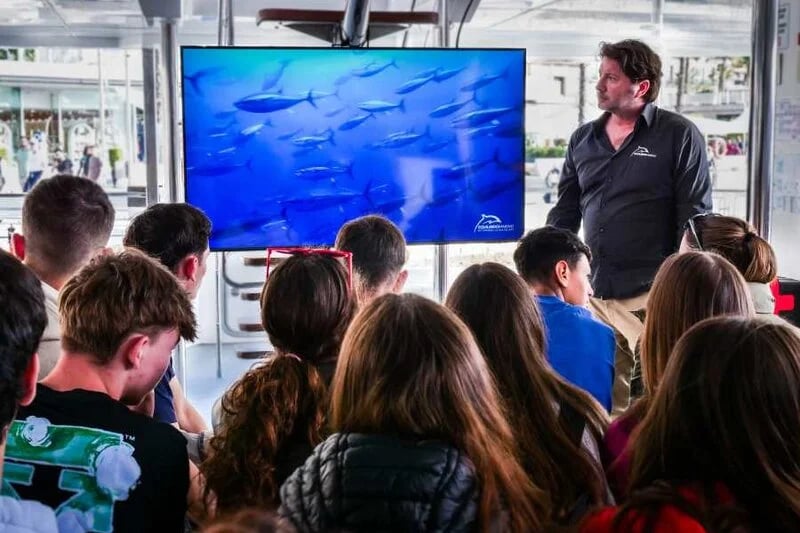
Equilibrio Marino is an educational program designed to connect children with marine conservation.
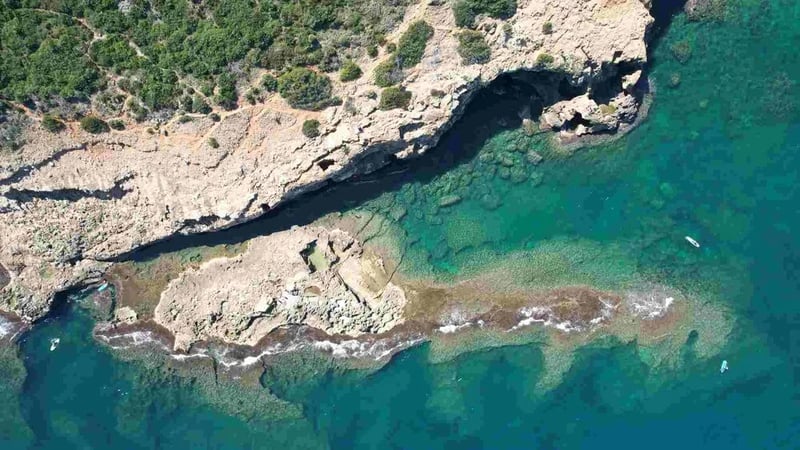
Excursion with swimming in the Cova Tallada.
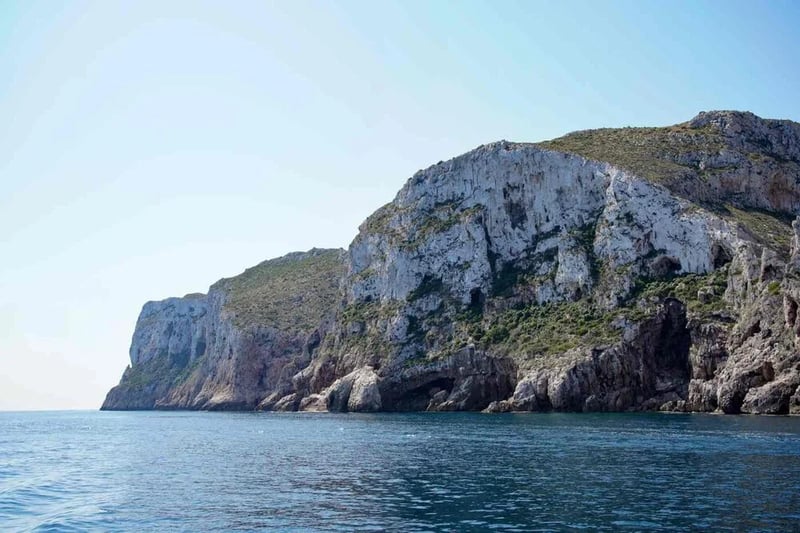
Tour of the capes and caves of Jávea.
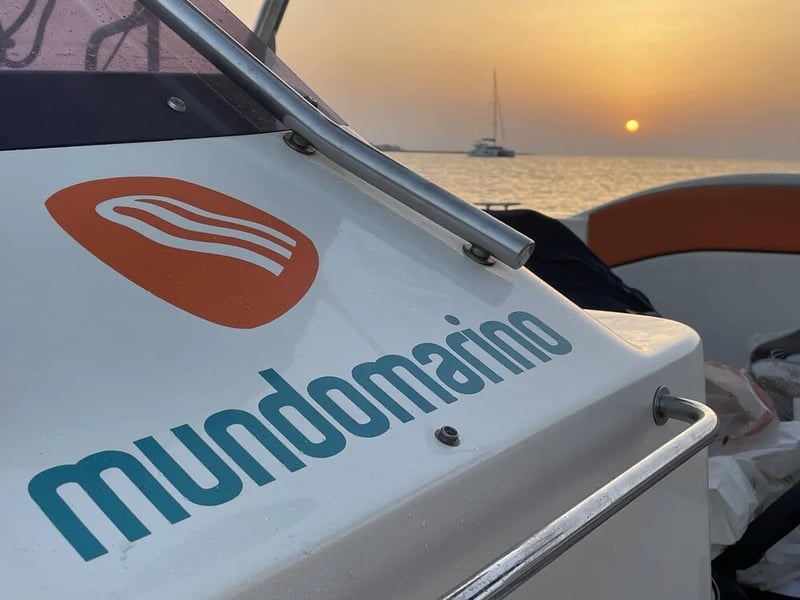
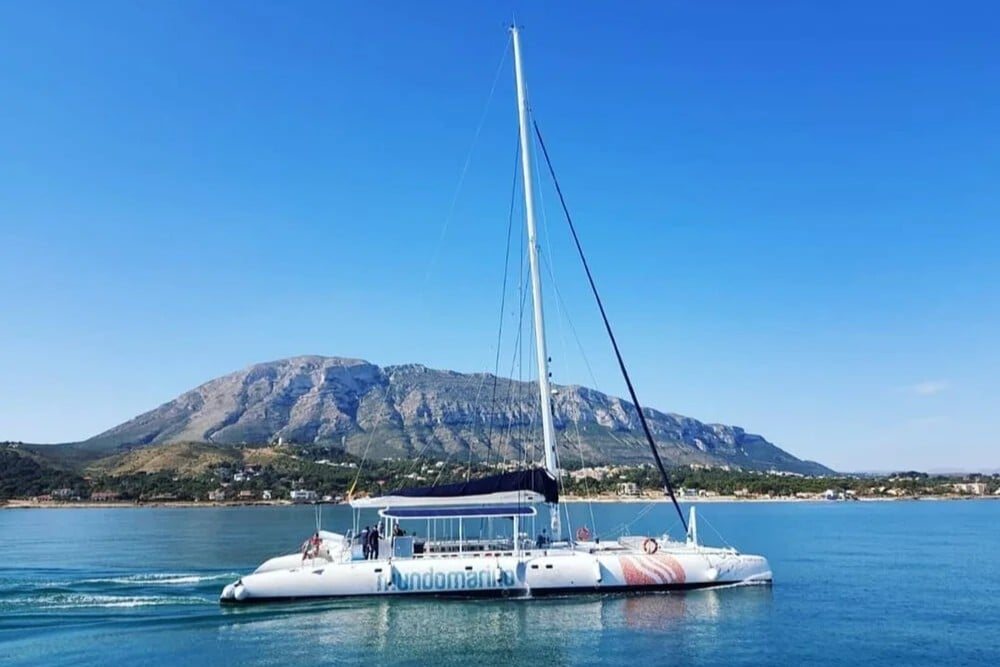
Sunset on catamaran.
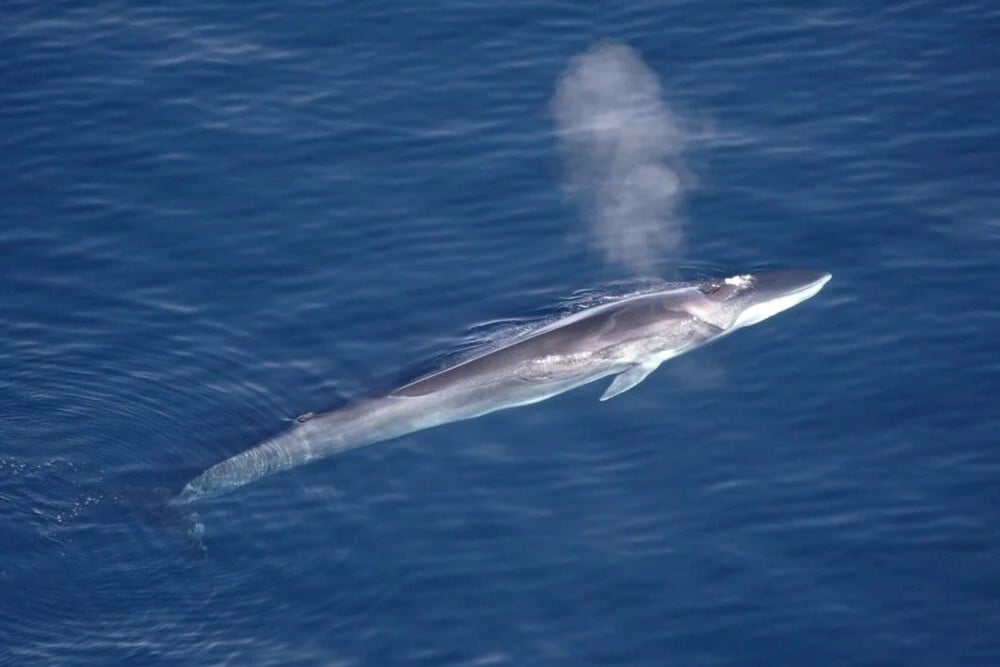
This area is home to a variety of cetaceans, including both resident and migratory species. One of the most notable visitors is the fin whale, which migrates through these Mediterranean waters during the spring and summer months as it follows nutrient-rich currents on its journey. These majestic whales can be seen gliding through the deep waters off Cabo de San Antonio.
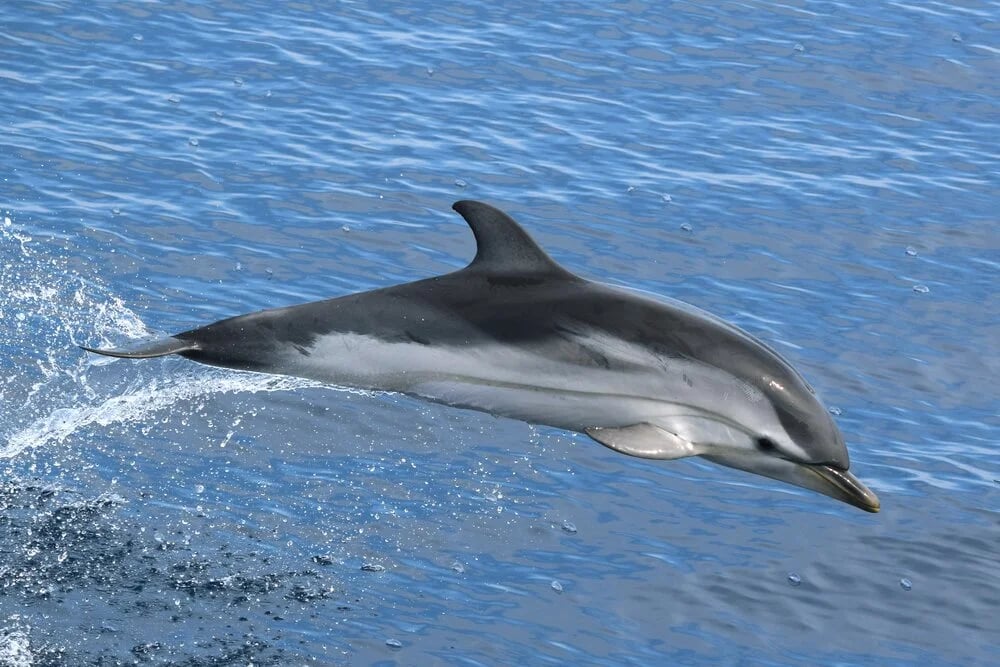
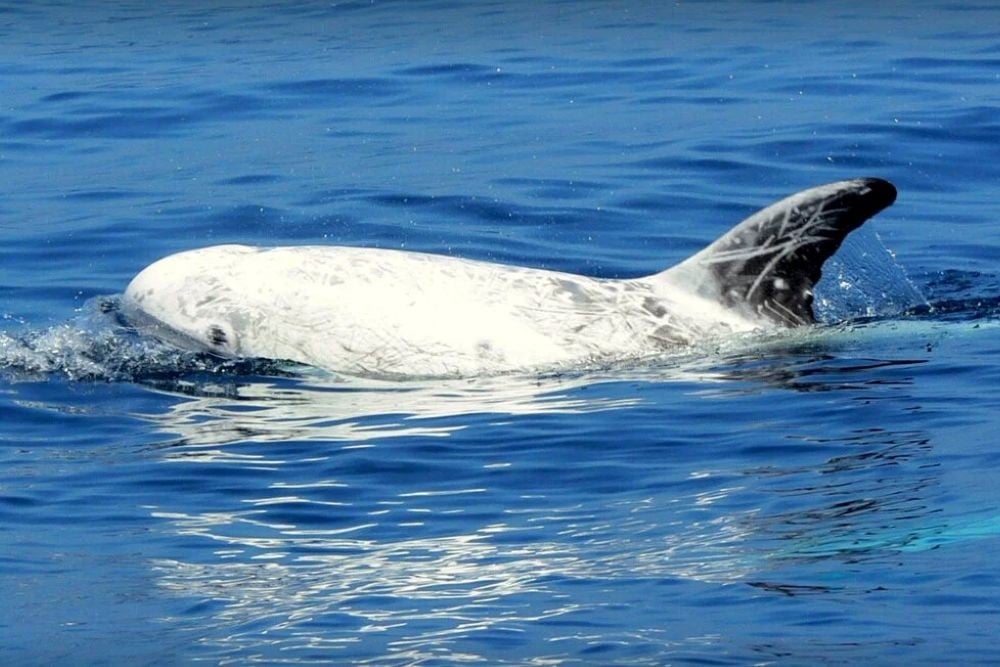
The area also supports populations of bottlenose dolphins, striped dolphins, Risso's dolphins, and the playful common dolphin. These dolphins can be seen year-round, thriving in the marine habitats provided by the rich biodiversity of the Montgó Natural Park and the surrounding waters. These cetaceans are drawn to the area by its abundant marine life, particularly small fish and squid, which make the region a critical feeding ground.
The cetacean species in San Antonio face several significant threats that highlight the urgent need for protection. Boat traffic leads to collisions, noise pollution, and the disruption of natural behaviours, such as communication and migration. Plastic pollution and chemical contaminants also pose serious risks, as cetaceans often ingest debris or suffer from deteriorating water quality.
Additionally, climate change is altering ocean temperatures and affecting prey availability, leading to disruptions in feeding patterns and migration routes. The rise in illegal fishing and bycatch further endangers cetaceans in the area, as they can become entangled in fishing gear.
Each Wildlife Heritage Area is assessed by a species or habitat expert from a reputable non-profit organisation or academic institution. The assessor represents a supporting organisation able to provide the advice, information, and contacts needed to complete the designation process.
Designated by by World Cetacean Alliance