Sustainability at Dana Point
The Dana Point Whale Heritage Area steering committee has taken several actions to reduce plastic use and carbon...
Dana Point, USA
Welcome to Dana Point, the Dolphin and Whale Watching Capital of the World®! Experience year-round dolphin pods, seasonal whale migrations, and the longest-running Festival of Whales.
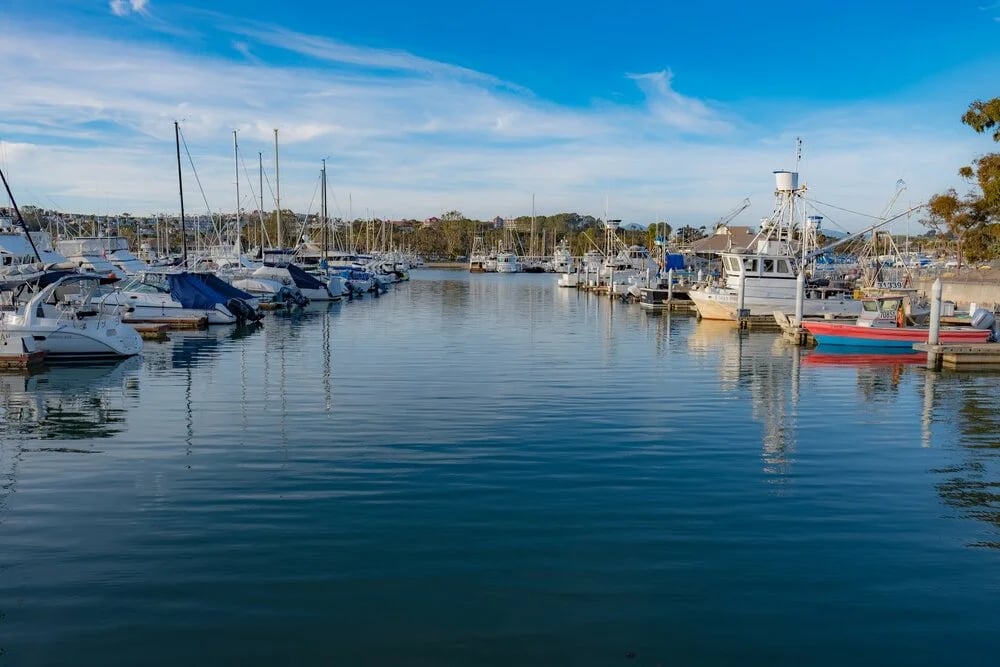
Enjoy breathtaking land and sea views from this vibrant harbor community.
With a variety of whales to be seen year-round, more dolphins per square mile than anywhere in the world, the first and longest-running annual Festival of Whales, and a captivating harbour minutes from the open ocean, it’s no wonder that Dana Point is also known as the Dolphin and Whale Watching Capital of the World®.
Dana Point headlands afford people the opportunity to whale and dolphin watch from land, and the calm ocean waters and deep coastal canyons near shore provide close proximity for whale and dolphin watching from the sea.


The Dana Point Whale Heritage Area steering committee has taken several actions to reduce plastic use and carbon...

Dana Point’s responsible whale watching tour operators run projects in collaboration with academic institutions or NGO school outreach...
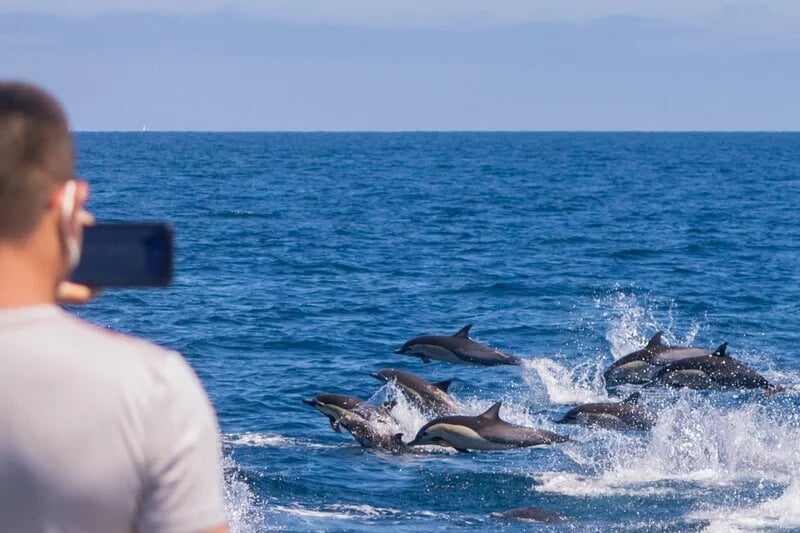
Whale watching companies in Dana Point work collaboratively to ensure minimum disturbance to the whales and dolphins encountered...
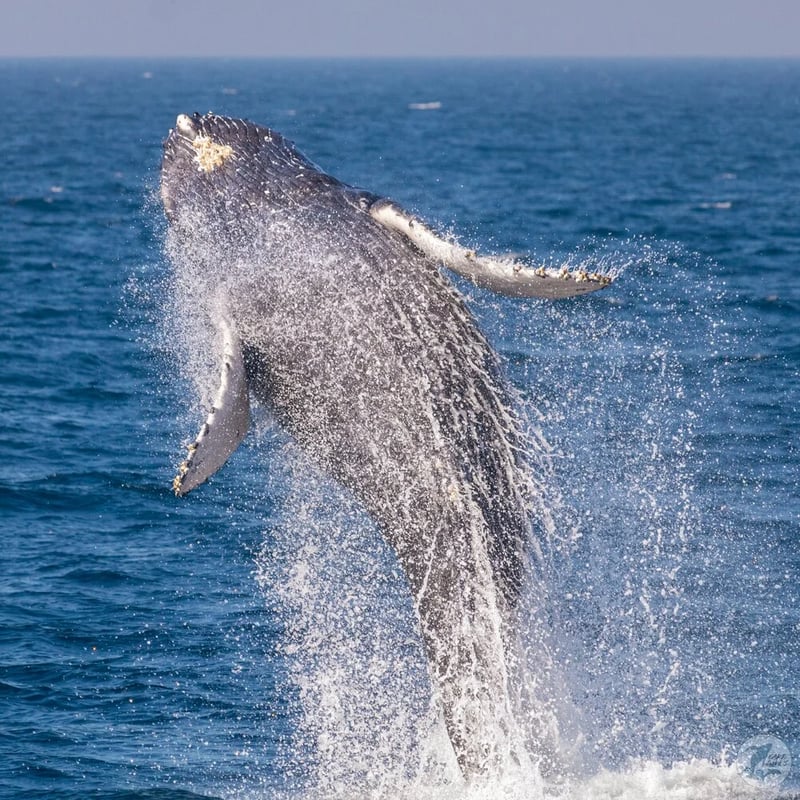
Dana Point has earned a reputation as a prime location for whale watching due to the frequent sightings...
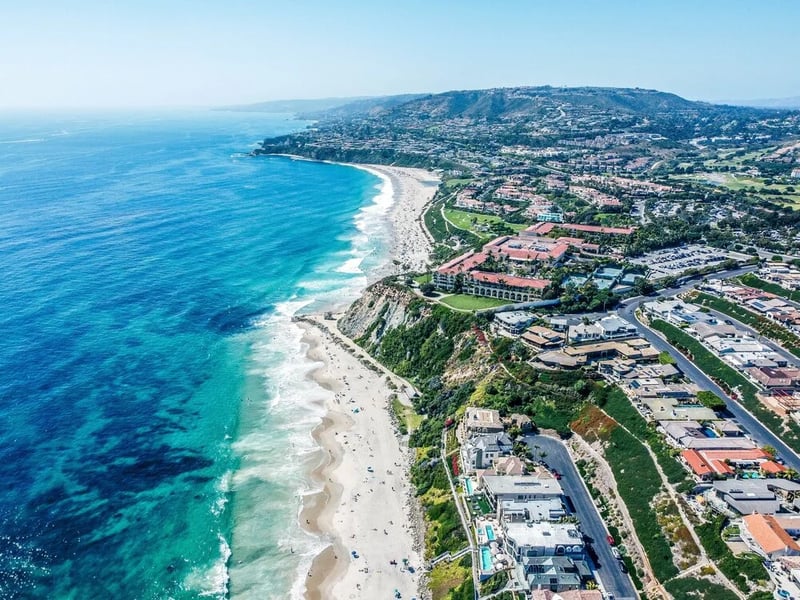
This preserved trail is a part of a trail system that is 3 miles in total...
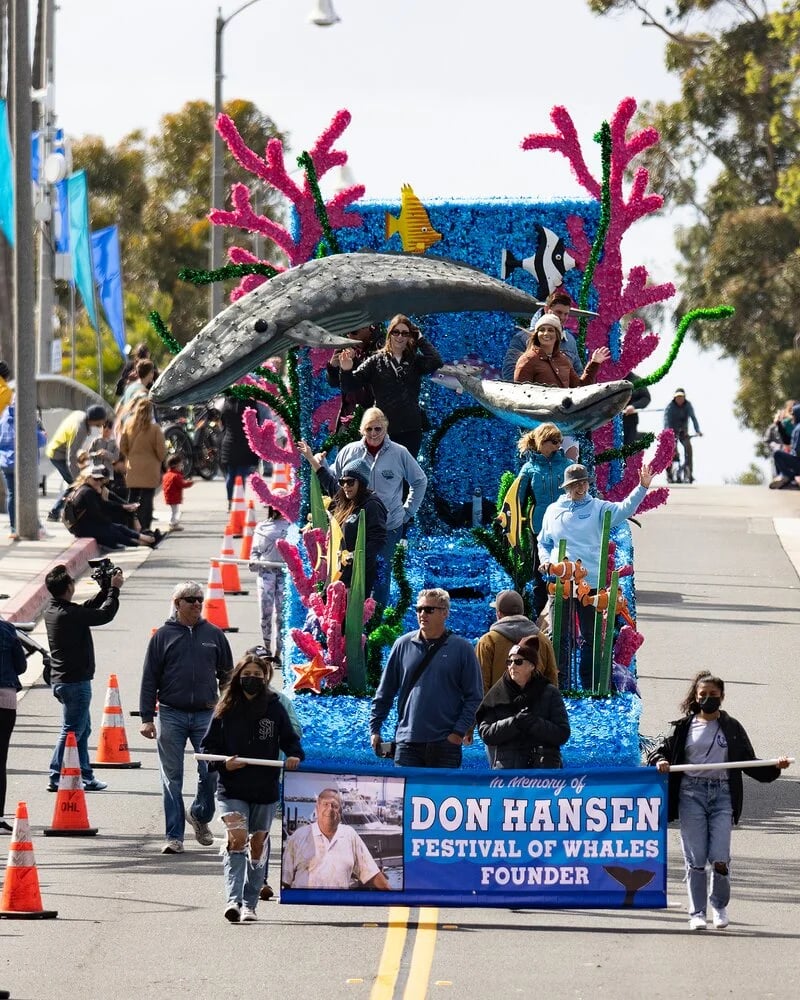
Dana Point’s most famous annual event, is a celebration of the annual migration of the magnificent California Gray...
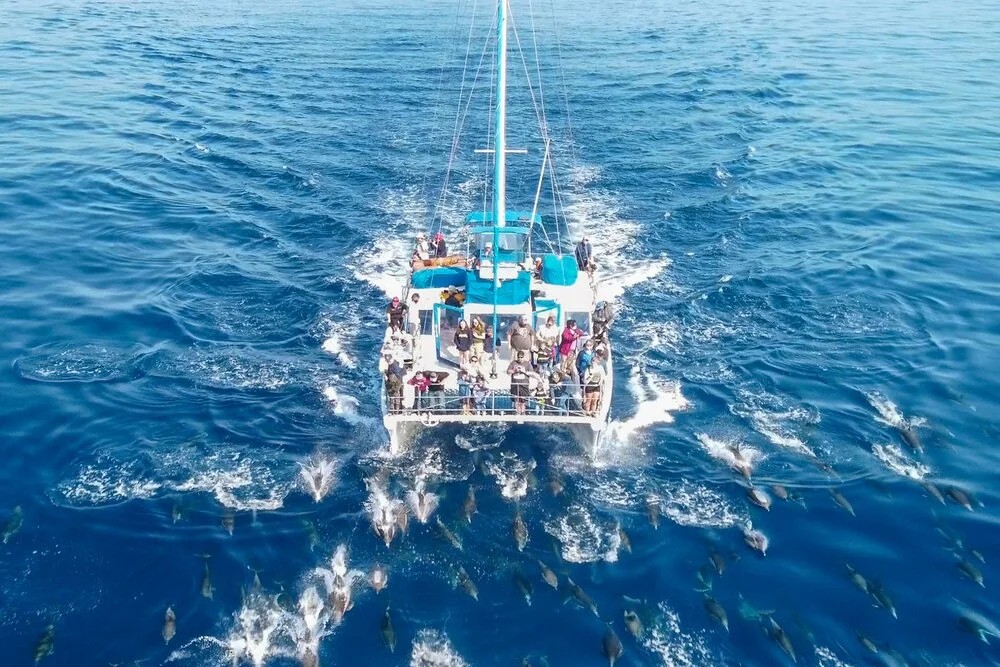
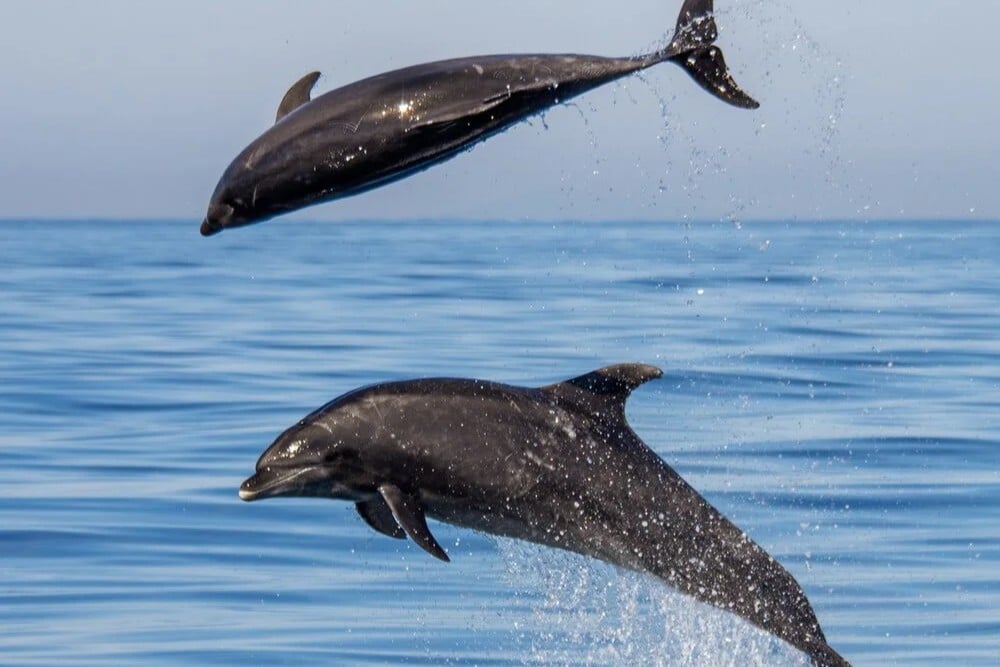
Long and short-beaked common dolphins in pods of 1,000 to 10,000 are seen year-round in Dana Point. Risso’s and bottlenose dolphins are also regularly sighted in large pods throughout the year. Pacific white-sided dolphins can be seen from October through June.
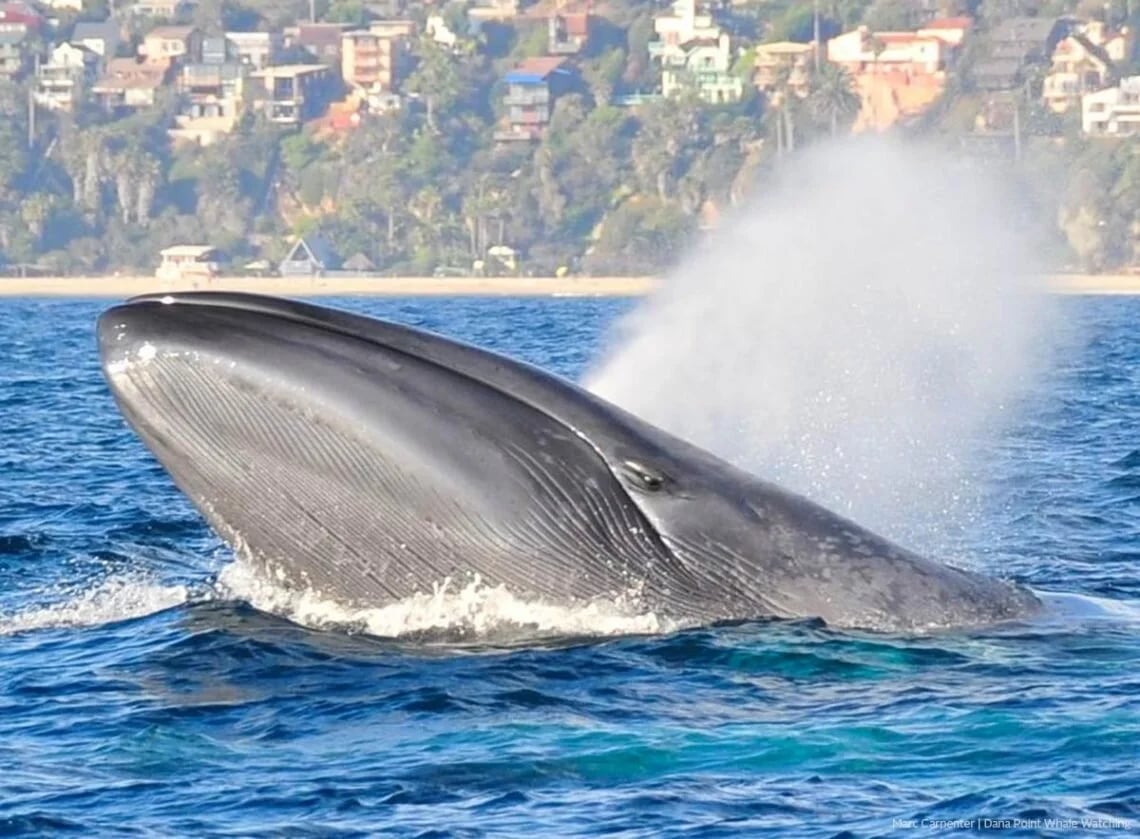
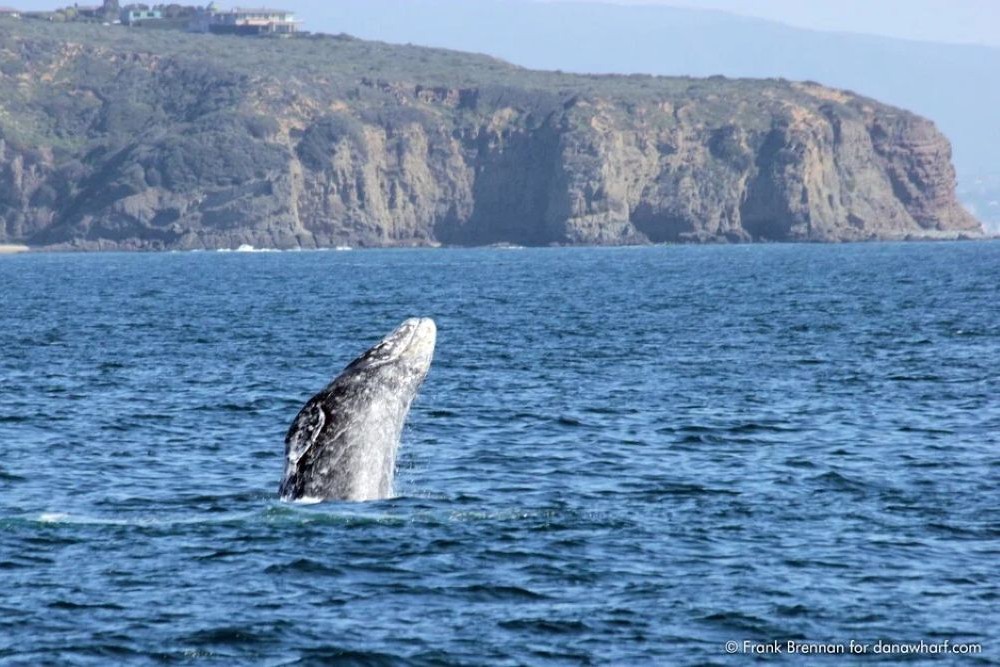
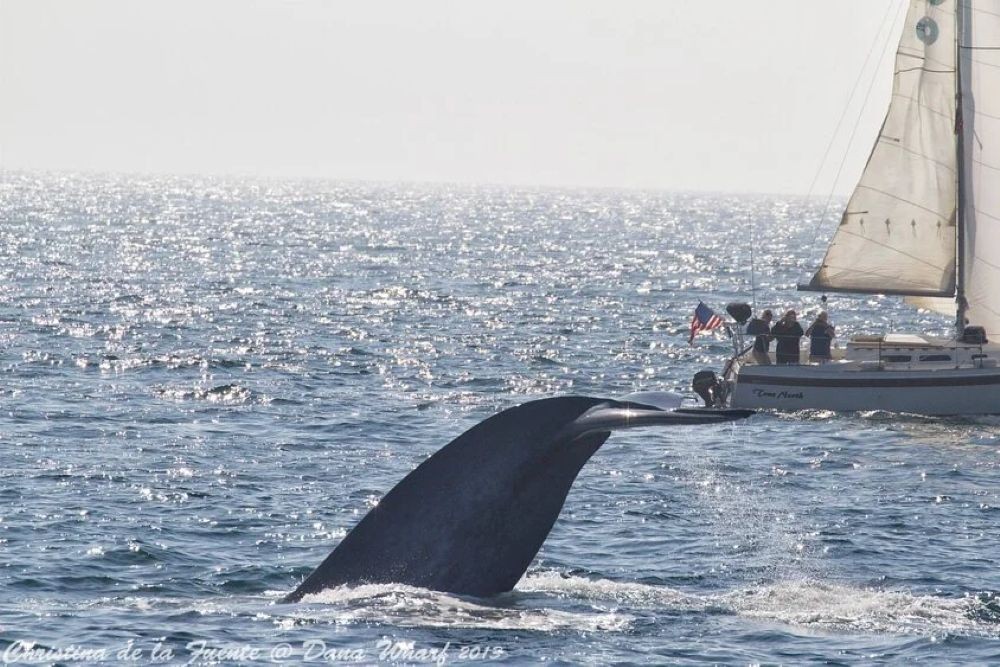
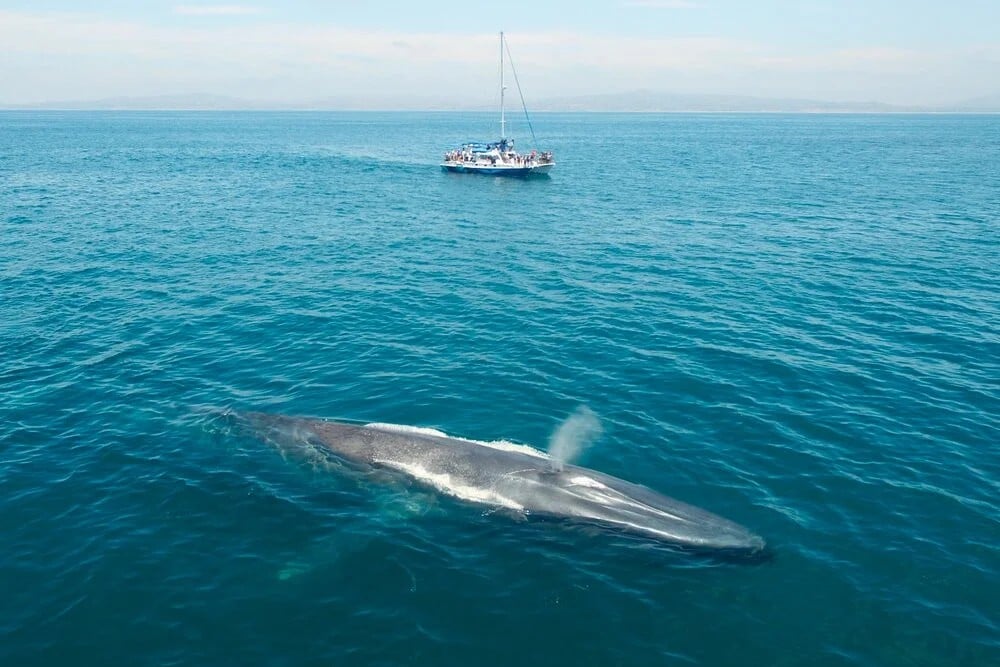
Endangered blue whales can be encountered between May and November. During the winter and spring, both visitors and the local community enjoy the spectacular gray whale migration.
Humpback whales, fin whales, minke whales, and more can be seen all year long, with occasional sightings of Bryde’s whales, sei whales, killer whales, pilot whales, false killer whales, and sperm whales.
Fishing gear is one of the main threats to cetaceans. It leads to injuries or even death.
The busy maritime traffic in Dana Point increases the risk of collisions. Anthropogenic noise from boat traffic can also disrupt the natural behaviour of cetaceans.
Dana Point is part of an urbanised coastal area, and pollution from plastics, urban runoff, industrial discharges, and other sources can introduce contaminants into the marine environment and negatively affect whales and dolphins.
Climate change has wide-ranging effects on the marine environment, impacting the availability of prey species, altering ocean temperatures, and causing changes in migration patterns.
Each Wildlife Heritage Area is assessed by a species or habitat expert from a reputable non-profit organisation or academic institution. The assessor represents a supporting organisation able to provide the advice, information, and contacts needed to complete the designation process.
Designated by by World Cetacean Alliance