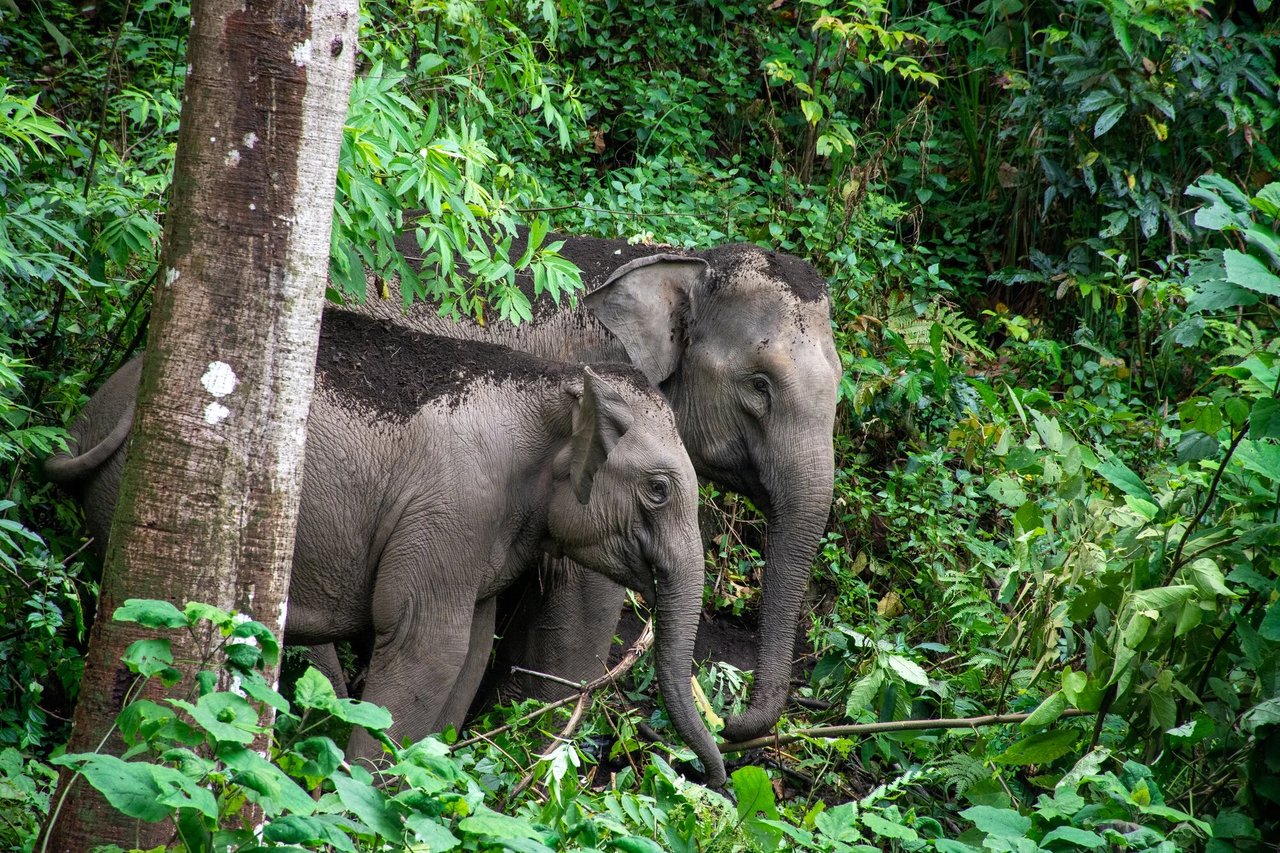
LIFE Elephant Heritage Area
Information
Description
Situated in over 90,000 acres of luscious protected rainforest near the border between
Thailand and Myanmar, Living In the Forest with Elephants (LIFE) is dedicated to preserving the magnificent forest and caring for the rescued elephants that call it home.
Motivation
We depend on the generosity of our supporters to meet the growing needs our communities face. Every little bit helps us to reach our goals and support more mahouts and elephants. As we expand our tourism offerings, we need to reach out to responsible travellers and responsible travel businesses. We offer unforgettable experiences staying in our village in the heart of the rainforest near elephants living wild and free. Tourism is vital to ensure that our elephants and their forest home are valued and protected long into the future.
Species or habitats
The Asian elephant (Elephas maximus), also known as the Asiatic elephant, is a species of elephant distributed throughout the Indian subcontinent and Southeast Asia, from India in the west, Nepal in the north, Sumatra in the south, and to Borneo in the east (Wikipedia). The Asian elephant is the largest living land animal in Asia, and one of only three living species worldwide.
Overview
Title: LIFE Elephant Heritage Area
Level: Candidate
Name/location: Thailand
Name/species/group: Elephant
Country: Thailand
Approximate size (sq km): 350
Criteria
1. Cultural importance of wildlife
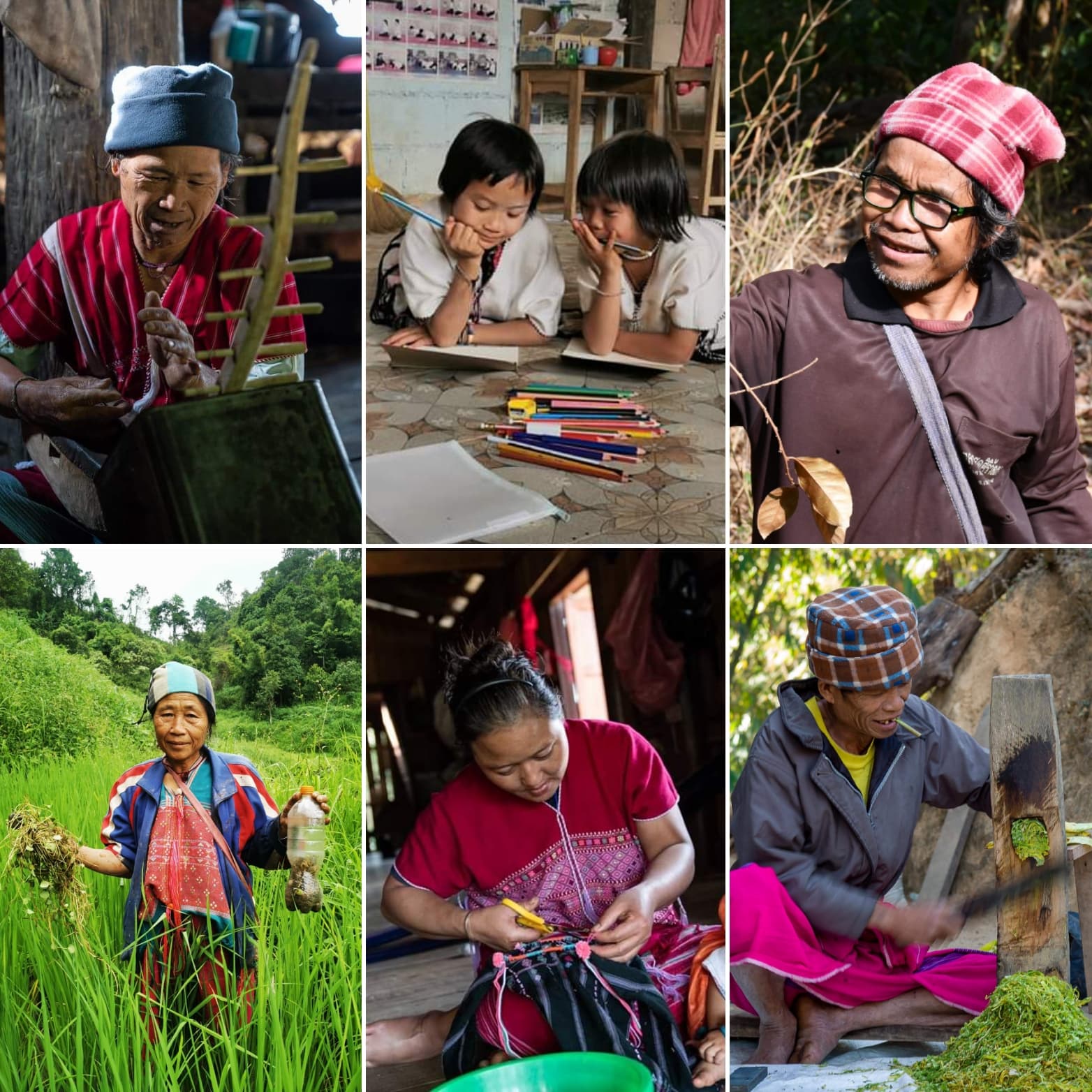
Elder singing and playing traditional instruments
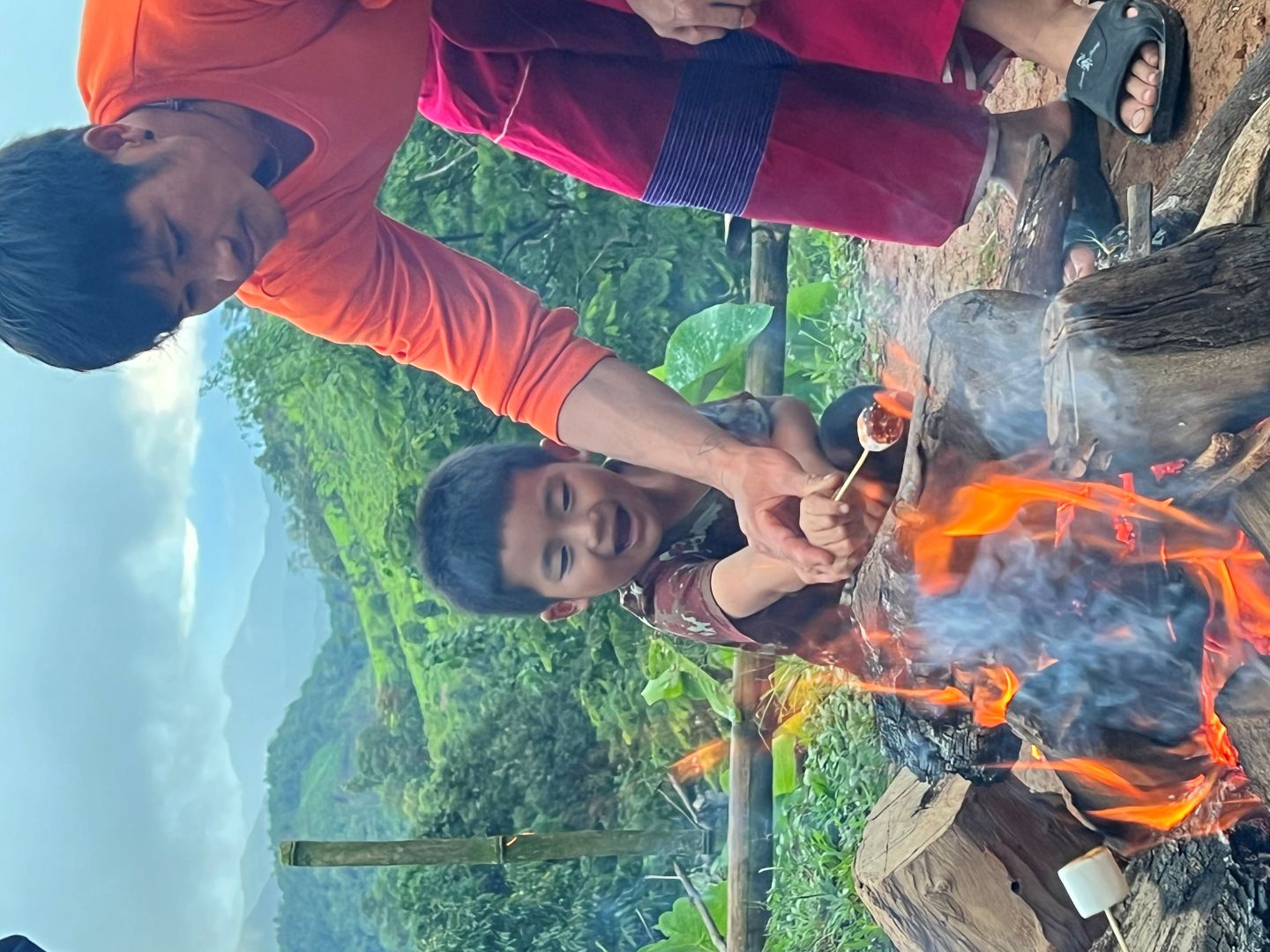
Young Mahout keen to take villagers who don't normally see elephants to experience themin the wild.

Rules (agreed by the community) for responsible tourism (displayed on the wall)
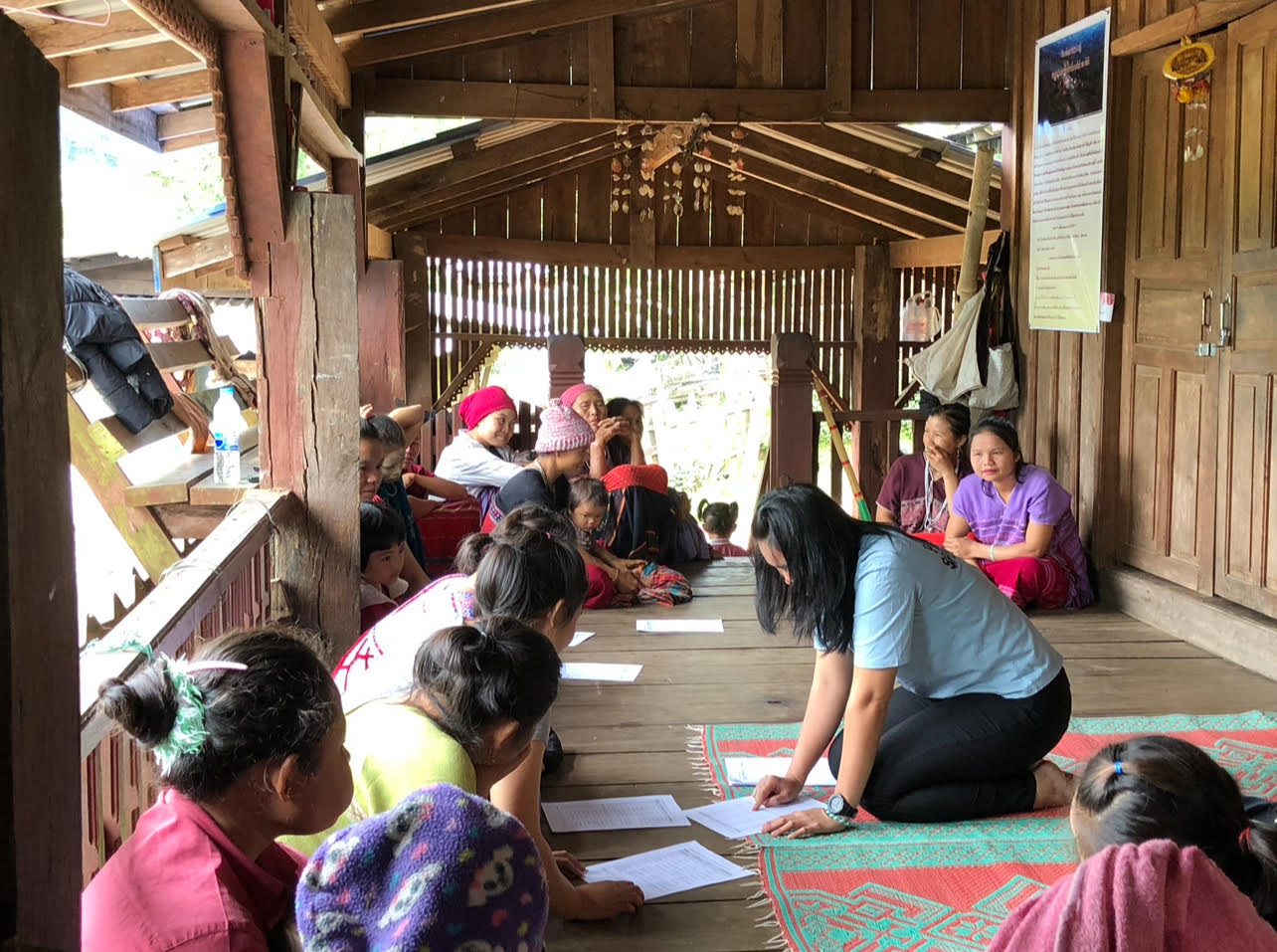
Tourists participate in textile making and other crafts as part of the elephant tour experience.
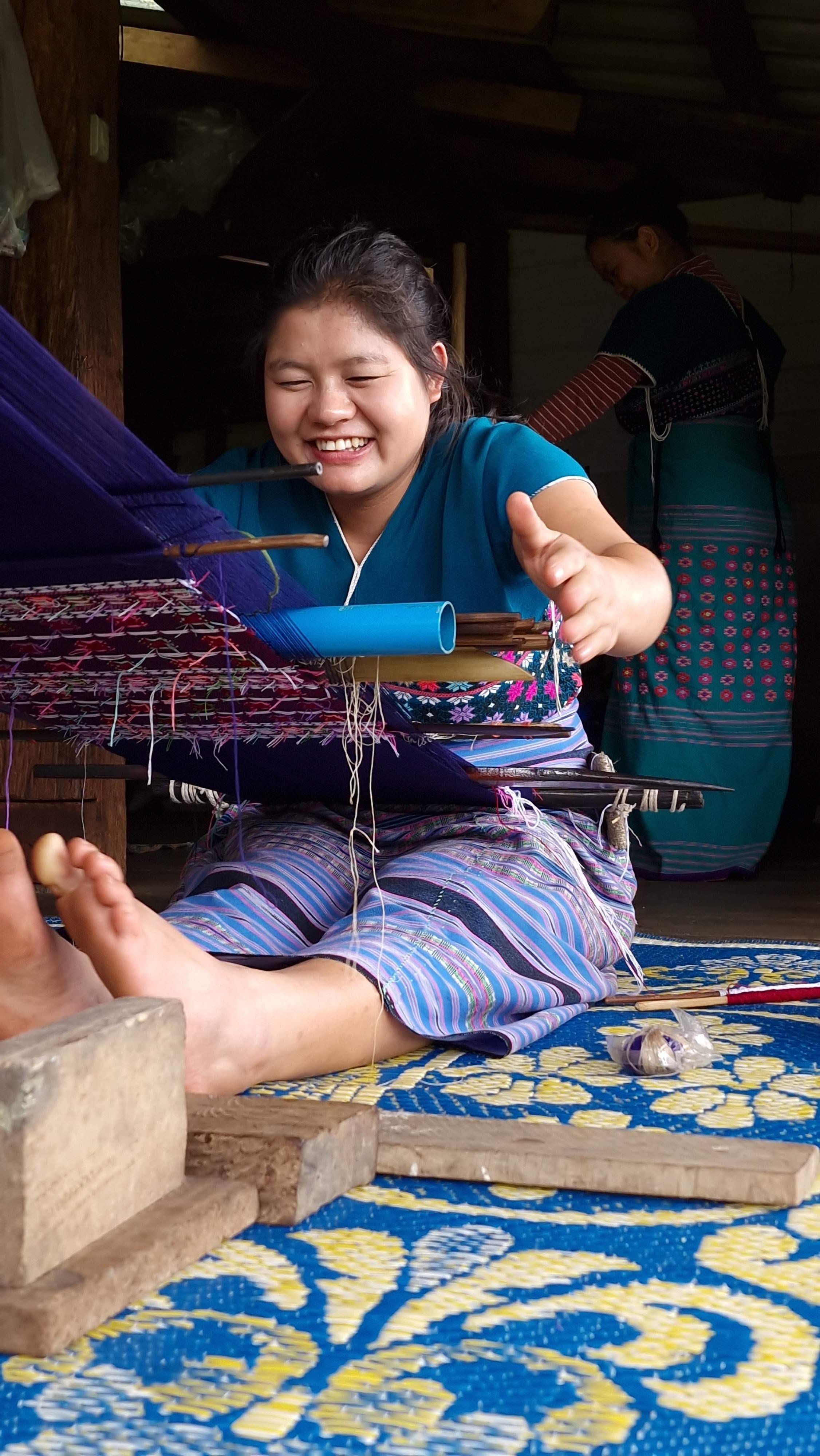
Karen people are proud of their culture & happily demonstrate their traditional skills with tourists
Watch and learn how to weave traditional karen fabrics or weave baskets.
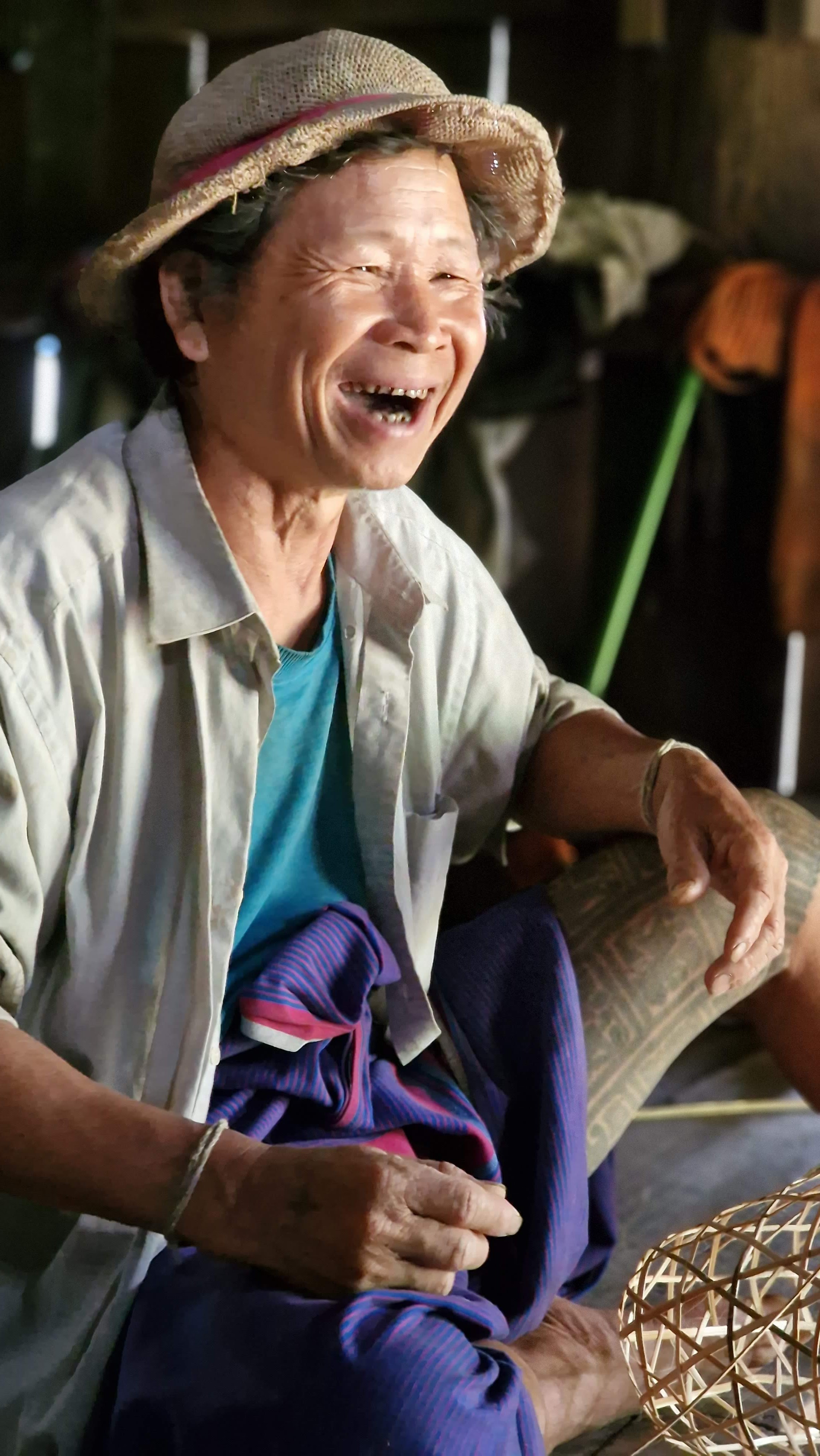
Annual meetings take place to discuss how to ensure tourists experience the culture of the village
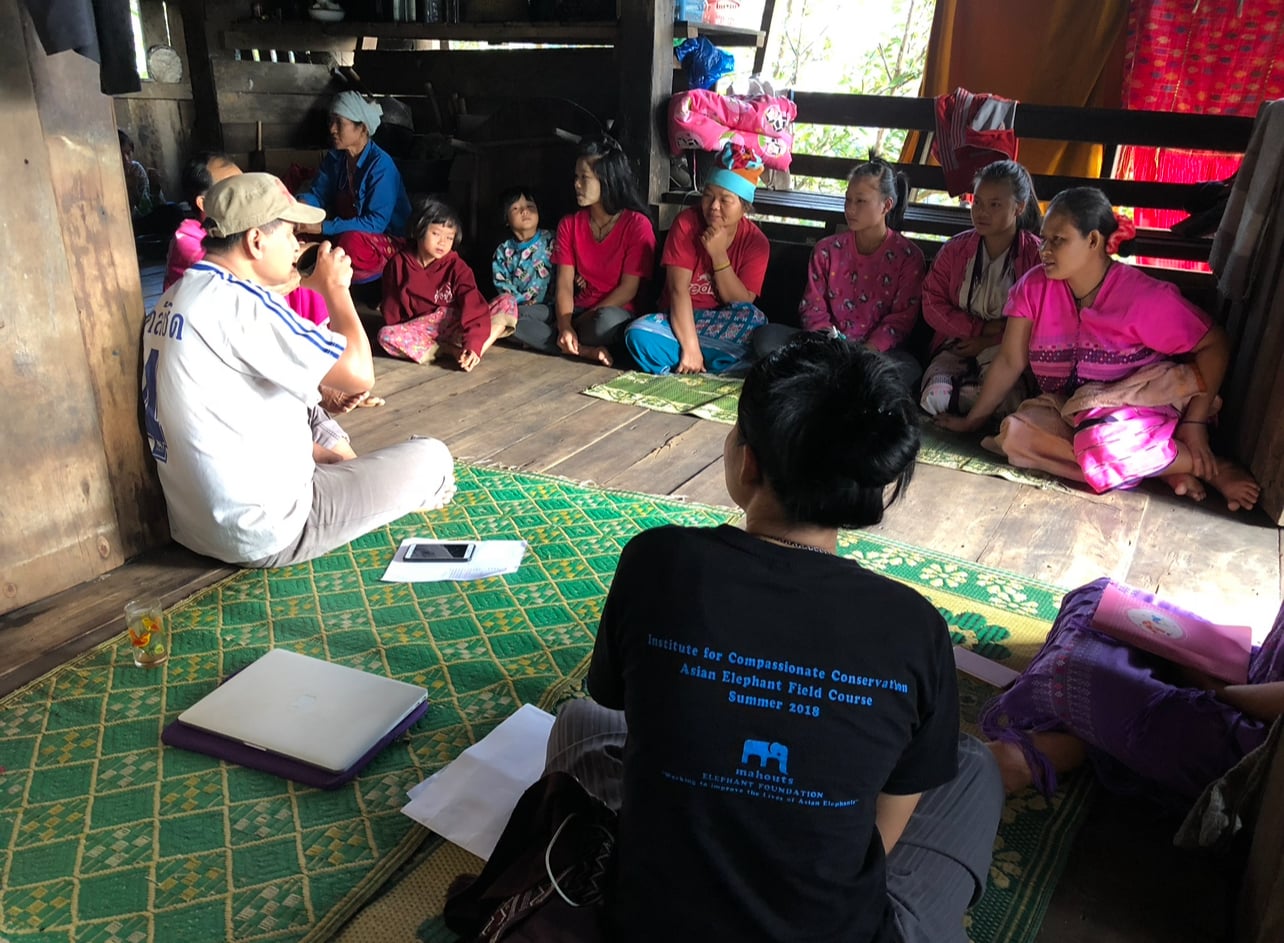
Families not involved with elephants benefit from tourism by running a home stays/ learning English.

2. Respectful human-wildlife coexistence
MOU between MEF and Elephant Mahouts
MEF Community Policy
Elephant Mahouts Foundation, local community members, mahouts and tourists working together.
How the Karen community and MEF raise awareness
Liv Baker PhD study on elephant autonomy and wellbeing.
Description of Mahouts traditional ecological knowledge.
Strategies for constructive dialogue and agreement.
Continuous dialogue between MEF and Karen community leaders and Mahouts has been key to success.

The Karen community have a very low impact on the environment.
The Karen community have a very low impact on the environment.
Paper: Asian elephant rescue, rehabilitation and rewilding
Importance of foraging goes way beyond feeding
3. Responsible wildlife tourism
MEF Theory of change
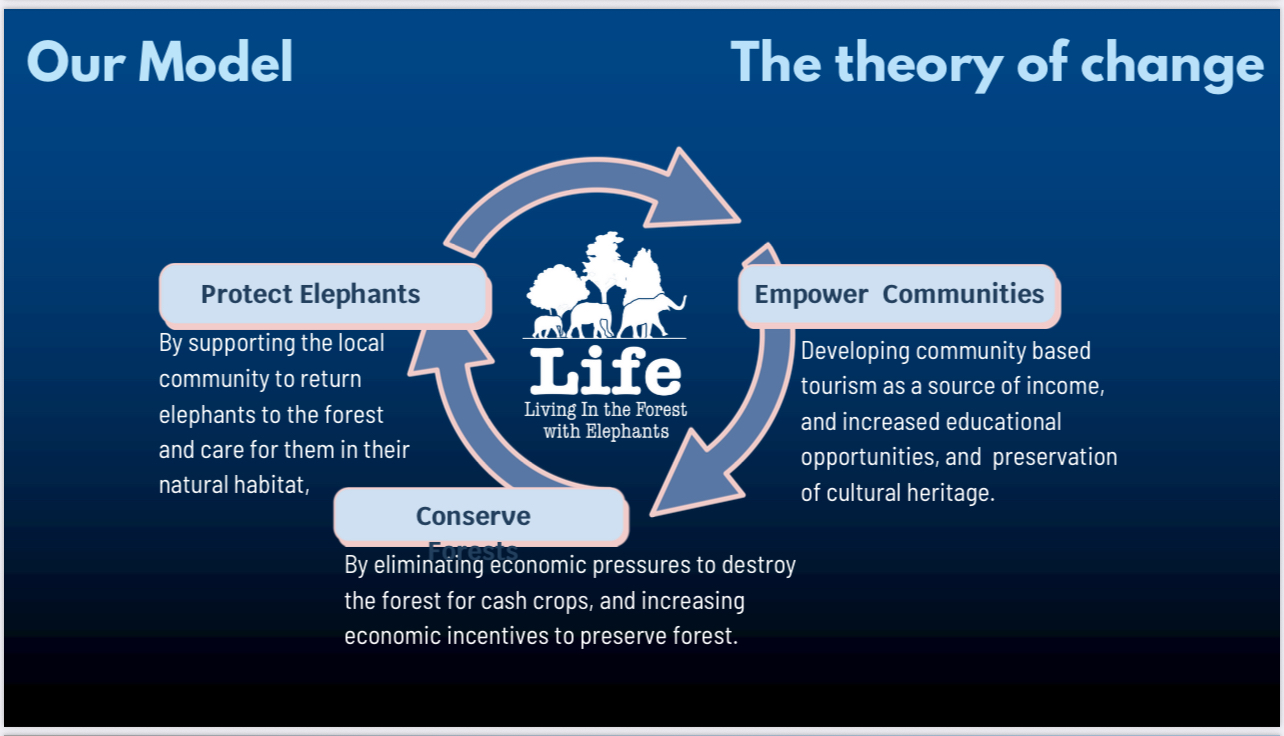
Strategies for protecting elephants from cruelty in tourism and returning them to the wild.
MOU between MEF and Mahouts
Life Responsible Tourism Brochure
Guidelines on how visitors can approach elephants at a safe distance so as not to disturb them.
MEF volunteering policy.
MOU between MEF and elephant mahouts
Responsible Travel article on elephant watching with MEF.
Elephants say goodbye to cruelty - The Guardian
Responsible elephant tourism with MEF
Meetings and inclusivity give everybody a voice.
Working together.
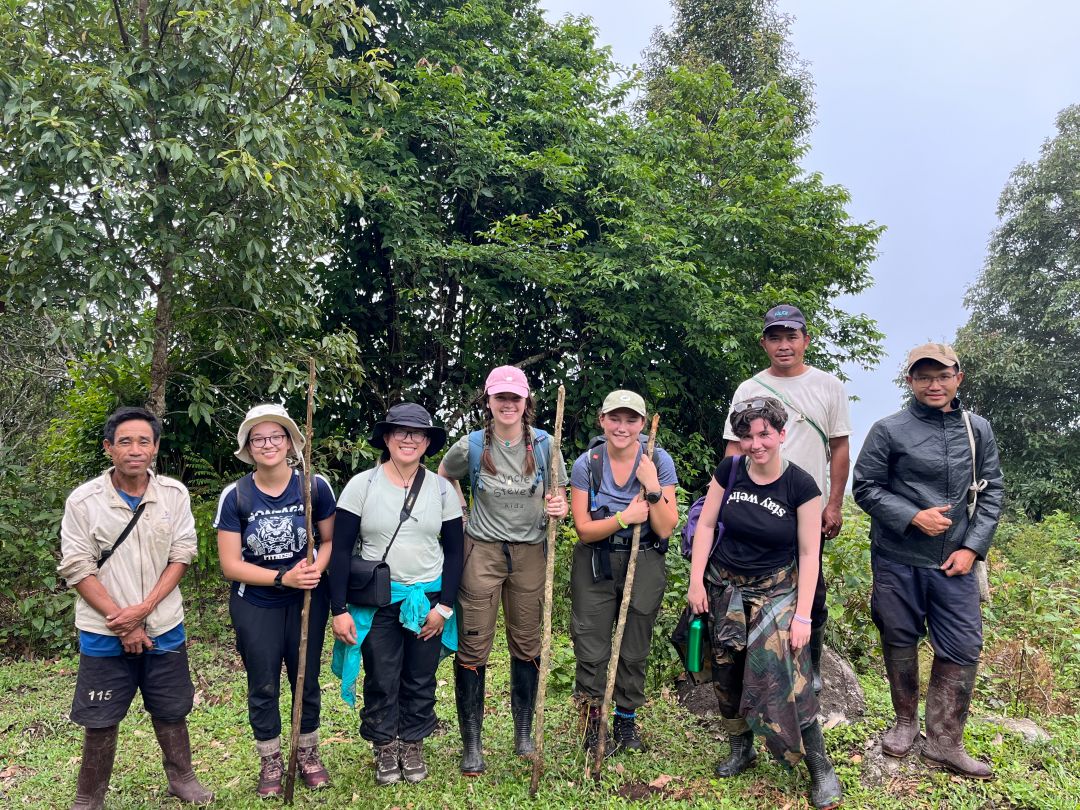
Paper: We advocate a state of wildness that is meaningful to the elephants.
CABI: The complexity of foraging and its role in elephant well being.
4. Steering committee
How the steering committee works
Steering committee members at a meeting

Everybody has the opportunity to get involved in ecotourism through MEF.
Inclusivity policy based on partnerships with local communities - MEF