Environmental sustainability initiatives in Salvador
Redemar promotes marine conservation through education, plastic pollution reduction, community initiatives, and whale protection efforts in Salvador.
Bahia, Brazil
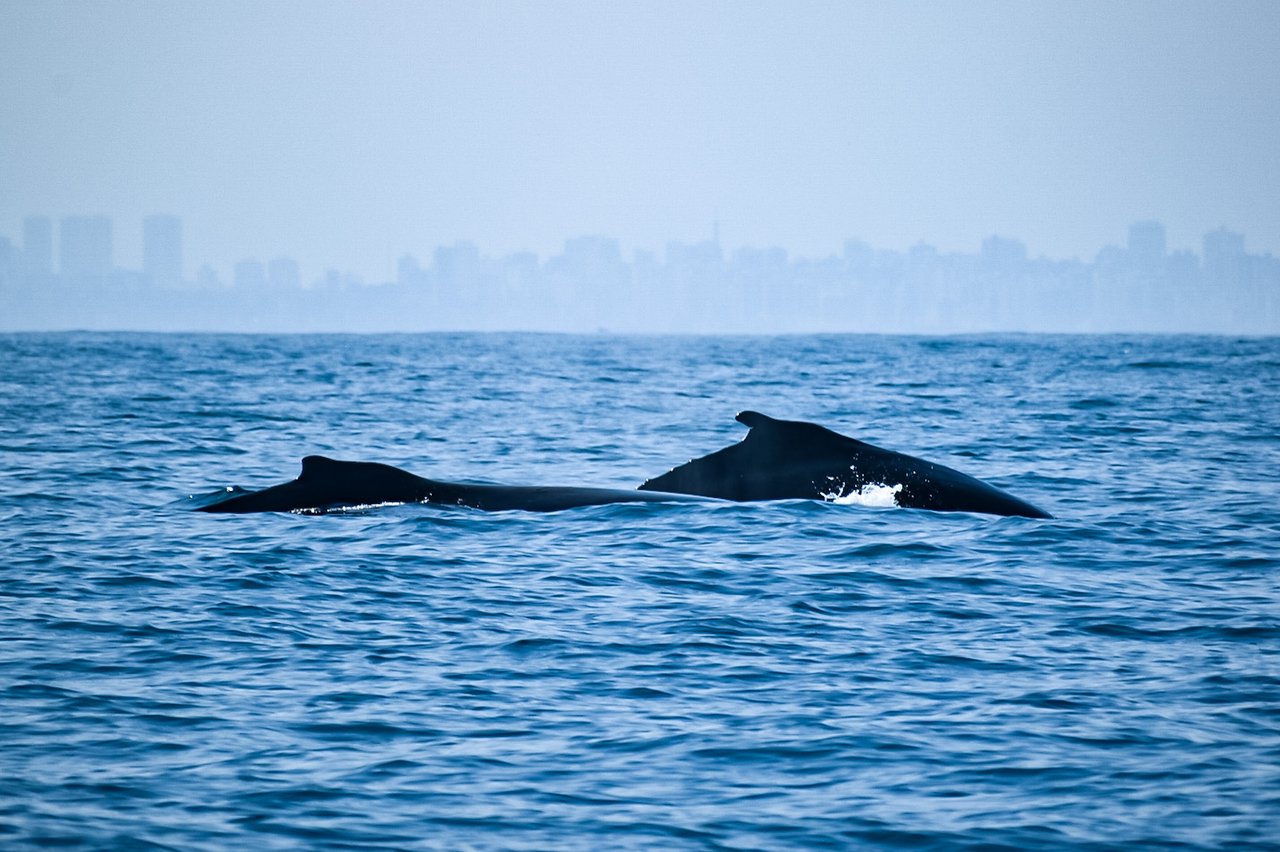
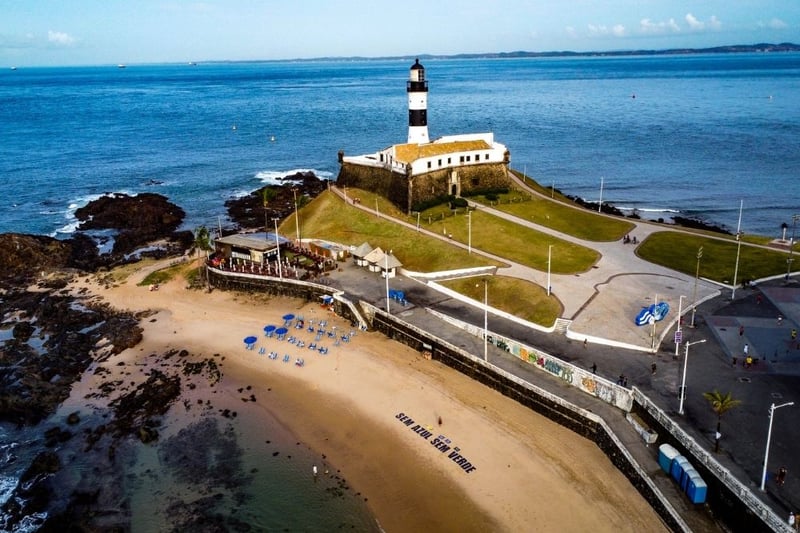
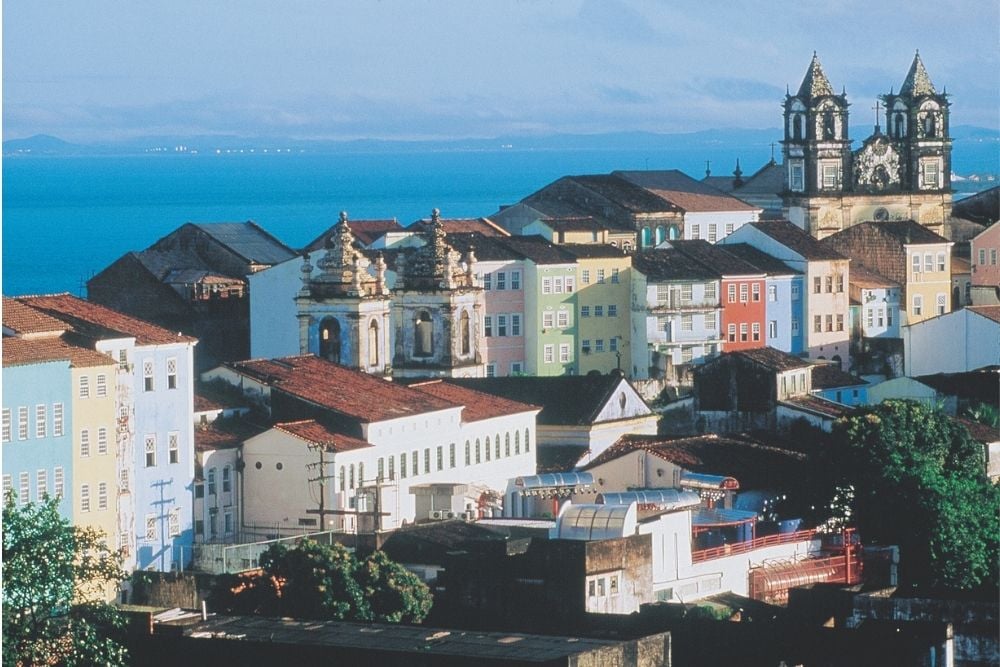
Baía de Todos os Santos is one of the largest bays in the world and the capital of Brazil’s Blue Amazon, a vast maritime area of 5.7 million km².
It is home to rich biodiversity, including coral reefs, Guiana dolphins, Bottlenose dolphins, sea turtles, and serves as a nursery for humpback whales. Its sheltered waters provide a natural birthing ground for their calves. Famous for its ever-changing pastel sunsets, vibrant culture, and traditional foods like Acarajé and other Brazilian delicacies, the bay represents around 50% of Bahia’s tourism.

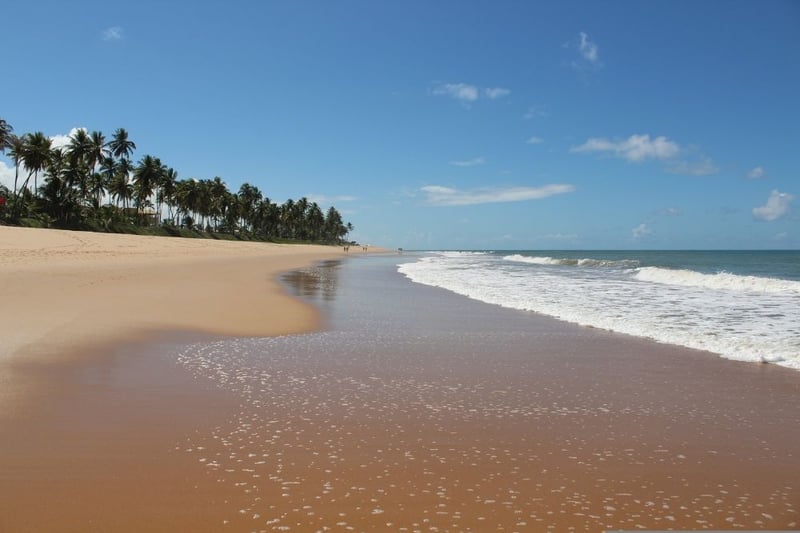
Redemar promotes marine conservation through education, plastic pollution reduction, community initiatives, and whale protection efforts in Salvador.
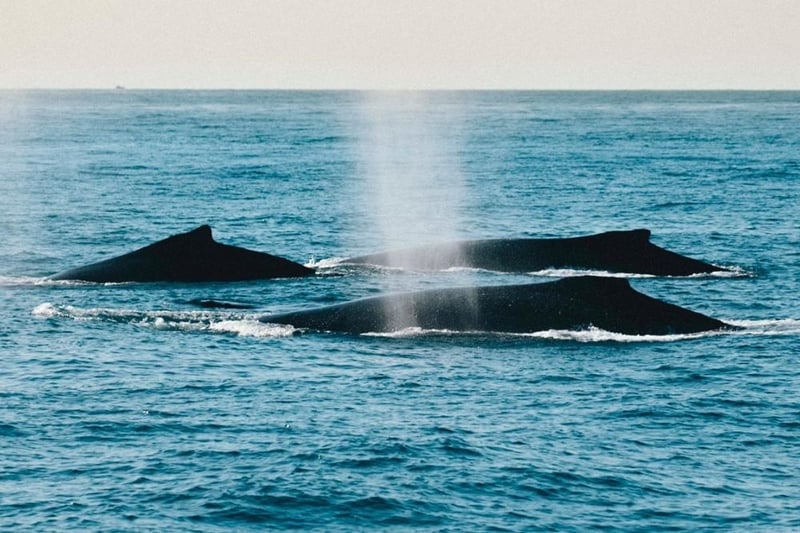
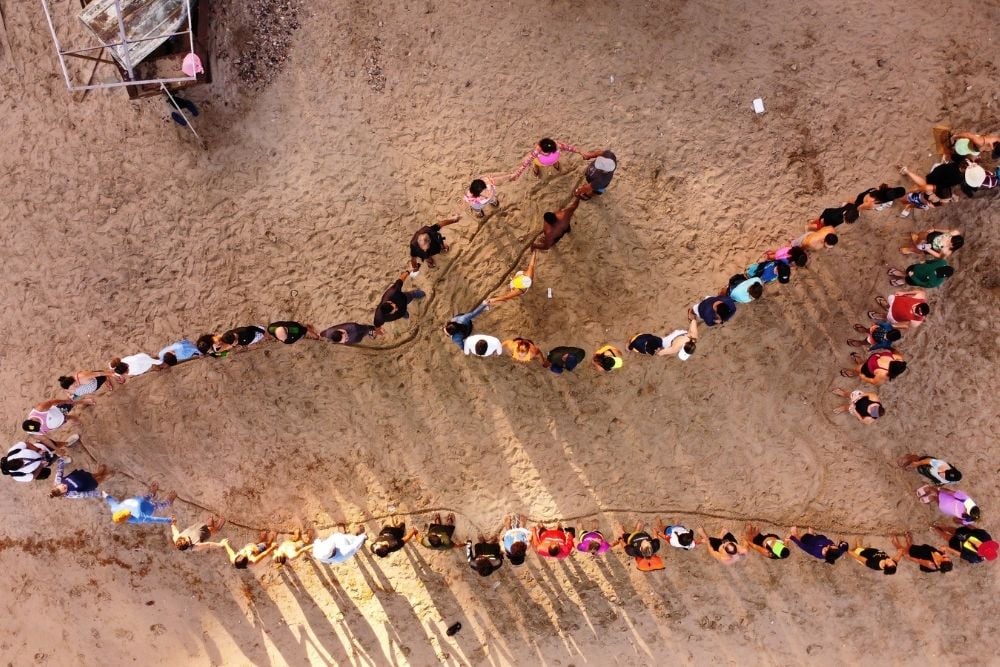
Developing awareness campaigns to educate local communities, tourists, and fishermen about the importance of humpback conservation and marine...
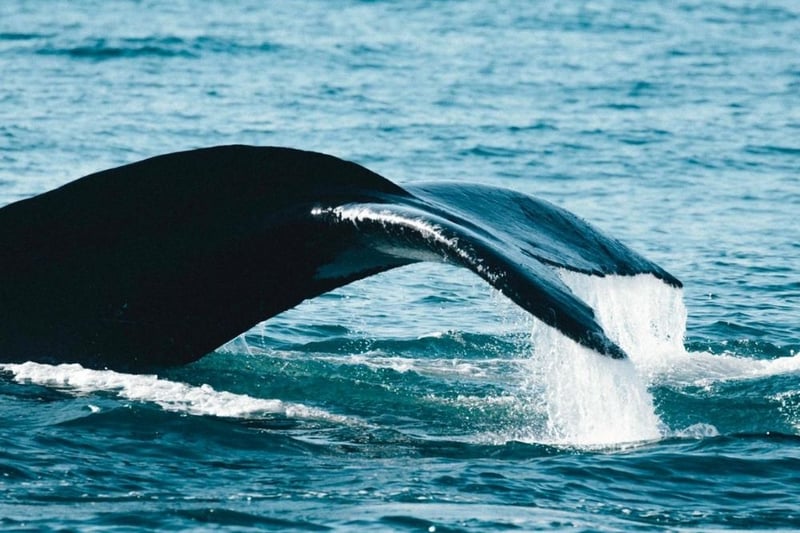
Community-based tourism has helped resolve the conflict between the fishing community and wildlife.
In Salvador, various institutions join efforts to protect the whales and work with the local community to ensure...
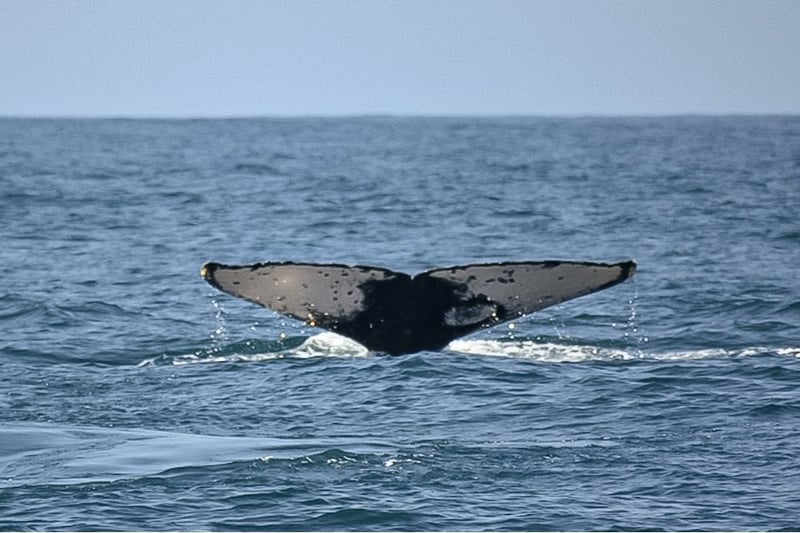
Scientific whale watching and tourism with the Salvador Whales Project technical team.
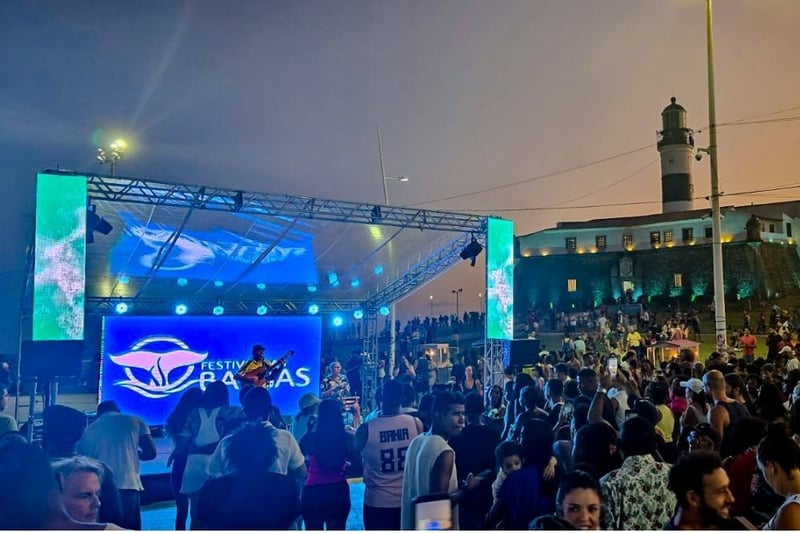
A gathering of scientists, businesses, civil society and public authorities to discuss marine conservation.
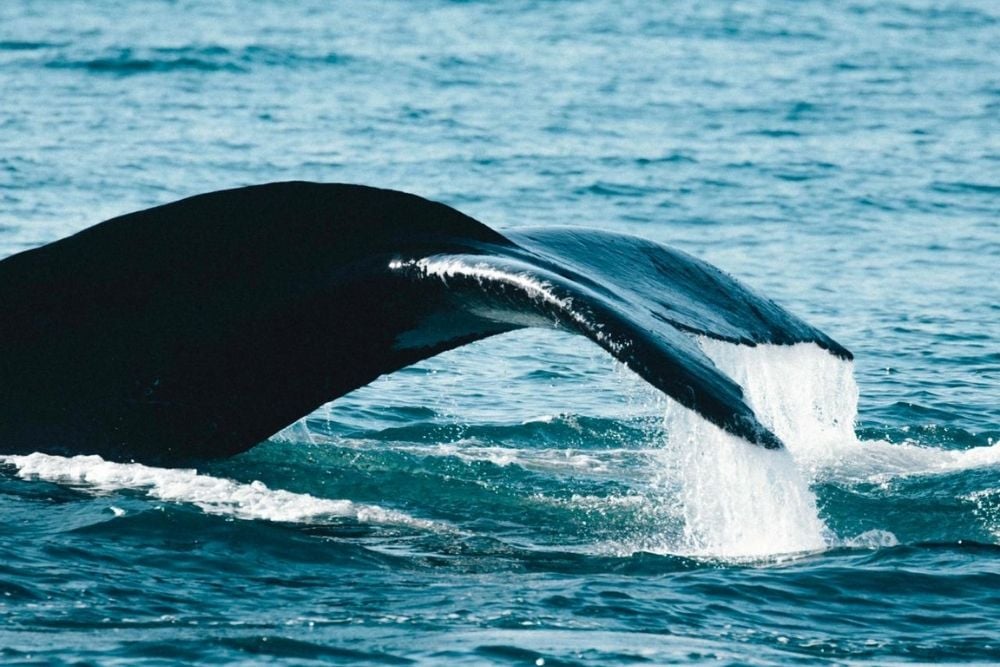
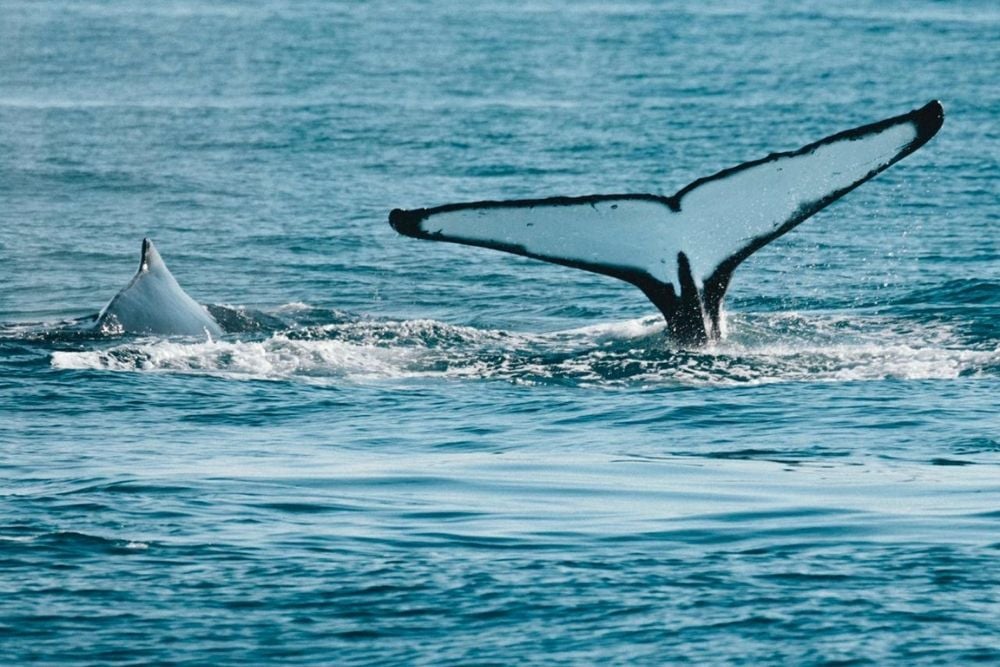
The Salvador Whale Heritage Area is a nursery for South Atlantic humpback whales, which migrate over 4,000 km from polar regions to tropical waters for breeding and the initial development of their calves. Their global population is recovering, with around 80,000 individuals, supporting tourism and ecological balance. Two resident dolphin species, the Bottlenose dolphin and Guiana dolphin, also inhabit the area. Salvador’s history is deeply linked to whales, as many humpback whales, minke whales, and sperm whales were hunted during Brazil’s colonial era.
Humpback whales are susceptible to becoming entangled in fishing nets. They have a habit of jumping out of the water and swimming near the surface, which puts them at risk of collisions with vessels, especially in areas with high maritime traffic. Human activities such as shipping, offshore construction, and oil and gas exploration can generate high levels of underwater noise, which can disturb humpback whales and interfere with their communications, migrations, and feeding behaviours. In addition, changes in patterns of prey availability, such as declining schools of fish due to overfishing and climate change, can affect humpback feeding. Furthermore, climate change, such as rising ocean temperatures and changes in ocean current patterns can affect marine ecosystems and consequently the availability of food for humpbacks. Finally, they are also threatened by pollution and contamination such as oil spills, improper disposal of plastic waste, and chemical pollution, which can contaminate their habitats.
Each Wildlife Heritage Area is assessed by a species or habitat expert from a reputable non-profit organisation or academic institution. The assessor represents a supporting organisation able to provide the advice, information, and contacts needed to complete the designation process.
Designated by World Cetacean Alliance